
Texas Attorney General Ken Paxton just announced a formal investigation into Shein—one of the fastest-growing fast-fashion retailers in America. And the allegations go way beyond selling knock-offs. We’re talking about forced labor. Toxic materials. Deceptive marketing. Illegal weapons and sex dolls.
Your question is the right one: Is saving twenty bucks on a shirt worth someone’s suffering?
What Shein Is Being Accused Of
Although the company promotes itself as a responsible and innovative retailer, numerous reports have raised serious concerns about its reliance on forced labor, the use of unsafe product materials, and deceptive marketing practices.
Shein generated over $30 billion in global revenue in 2023. That’s massive. That’s bigger than most Fortune 500 companies. And here’s how they did it: cheap clothes. Really cheap clothes. Clothes are so cheap that people buy them constantly—sometimes without thinking about where they come from.
The Forced Labor Connection
Both Shein and Temu have been accused by a House committee of using forced labor from the Xinjiang region in China. A Bloomberg investigation revealed that Shein was using Xinjiang cotton in its clothes.
Let that sink in. The cotton in your Shein shirt might have been picked by people who were forced to do it. People who had no choice. People who weren’t paid fairly. People whose labor was stolen.
Congressional investigations have revealed that companies like Temu have no system to ensure compliance with the Uyghur Forced Labor Prevention Act—all but guaranteeing that shipments made by forced labor are entering American homes.
How They Get Away With It
Shein and other fast-fashion companies exploit U.S. shipping provisions that allow them to bypass customs enforcement. Nearly all their products are valued under $800 and can enter the United States uninspected and free from duties that most American clothing brands pay.
Translation: Shein ships so many individual orders under $800 that they basically bypass all U.S. customs inspections. No one checks what’s in the packages. No one verifies where it came from. No one ensures workers aren’t exploited.
It’s a loophole. And they’ve built a $30 billion empire by exploiting it.
The Unsafe Products Problem
Last month, France’s consumer fraud agency found something shocking on Shein’s platform: childlike sex dolls and illegal weapons. The company said it banned them globally. But here’s the question: how did they get there in the first place? And what else is on there that nobody’s caught yet?
The investigation will determine whether the company’s manufacturing and supply chain practices mislead consumers or violate Texas law. Misleading consumers about product safety. That’s a big deal. If Shein is marketing clothes as safe when they’re actually made with toxic materials, that’s not just a scam—that’s a health hazard.
What Texas AG Paxton Is Looking For
The inquiry will specifically examine whether Shein is misleading consumers about the safety and ethical sourcing of its products. Additionally, the investigation will review the company’s data collection and privacy practices, citing potential risks to millions of American consumers.
Here’s what Paxton said: “Any company that cuts corners on labor standards or product safety, especially those operating in foreign nations like China, will be held accountable. Texans deserve to know that the companies they buy from are ethical, safe, transparent, and not exploiting workers or selling harmful products.”
That’s not political posturing. That’s the reality of what Shein has been doing.
Your Question: Is It Worth It?
You asked exactly the right question. You’ve bought from Shein. You know the price. You know the quality. You also know that you get what you pay for.
But here’s what you might not know: when clothes are that cheap, someone is paying the real price. And it’s not Shein. It’s the workers in China making them. It’s the Uyghurs whose labor is being exploited. It’s the customers buying products made with toxic materials.
Shein built a $30 billion empire on three things:
- Exploiting workers who have no choice
- Using materials that haven’t been tested for safety
- Circumventing U.S. law to avoid inspection and accountability
That’s not a business model. That’s a crime.
Why This Matters Right Now
The holiday shopping season is here. Parents are buying gifts. Teenagers are buying clothes. People are scrolling through Shein at night, finding deals, clicking “add to cart” without thinking about the supply chain behind that $5 shirt.
If Shein is selling sex dolls and weapons, what else are they selling? What’s on that platform that hasn’t been caught yet?
The Real Cost of Cheap Fashion
Yes, Shein is cheaper than other retailers. But the actual cost—the real cost—is being paid by workers in forced labor situations. The cost is being paid by people buying products with untested, potentially toxic materials. The cost is being paid to Shein’s bottom line instead of to workers who actually made the clothes.
Your $5 shirt isn’t cheap. It’s subsidized by human suffering.
What You Can Do
Stop buying from Shein. It’s that simple. Pay more. Buy from retailers that actually inspect their supply chains. Buy from companies that care about worker safety. Buy from brands that prioritize transparency.
Yes, it costs more. But your money goes to people who actually earned it. Your money goes to companies that follow the law. Your money goes to products that have been tested for safety.
The Bottom Line
Texas AG Paxton is investigating Shein because the evidence is overwhelming. Forced labor. Toxic materials. Deceptive marketing. Illegal products. An entire business model built on exploitation and circumventing U.S. law.
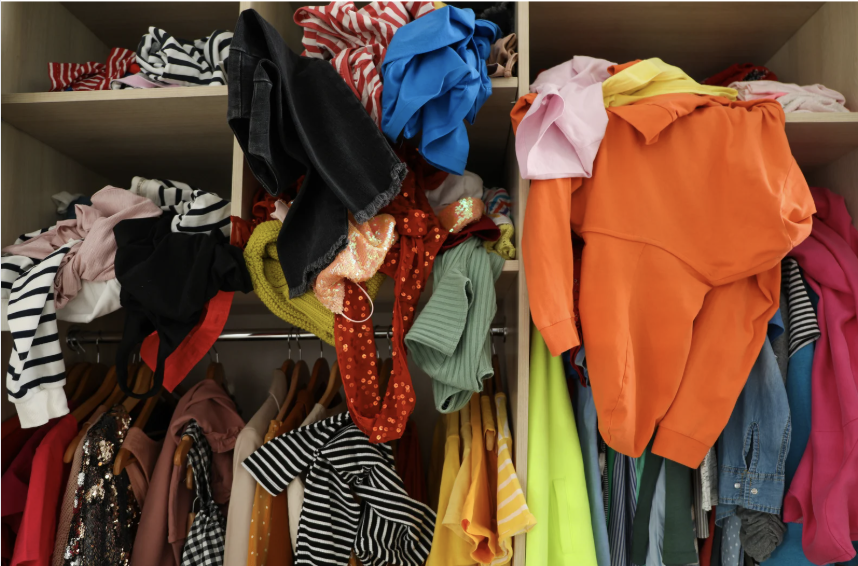
The question isn’t whether Shein’s cheap clothes are worth it. The answer is no. They’re not worth the human cost. They’re not worth the ethical compromise. They’re not worth knowing that someone suffered to put that shirt in your closet.
Stop buying cheap. Start buying ethically. Your conscience will thank you.