

In February, a passenger walked through Detroit Metropolitan Airport carrying bark from the Ivory Coast. It was supposed to be medicinal. It seemed harmless. CBP agriculture specialists decided to look closer.
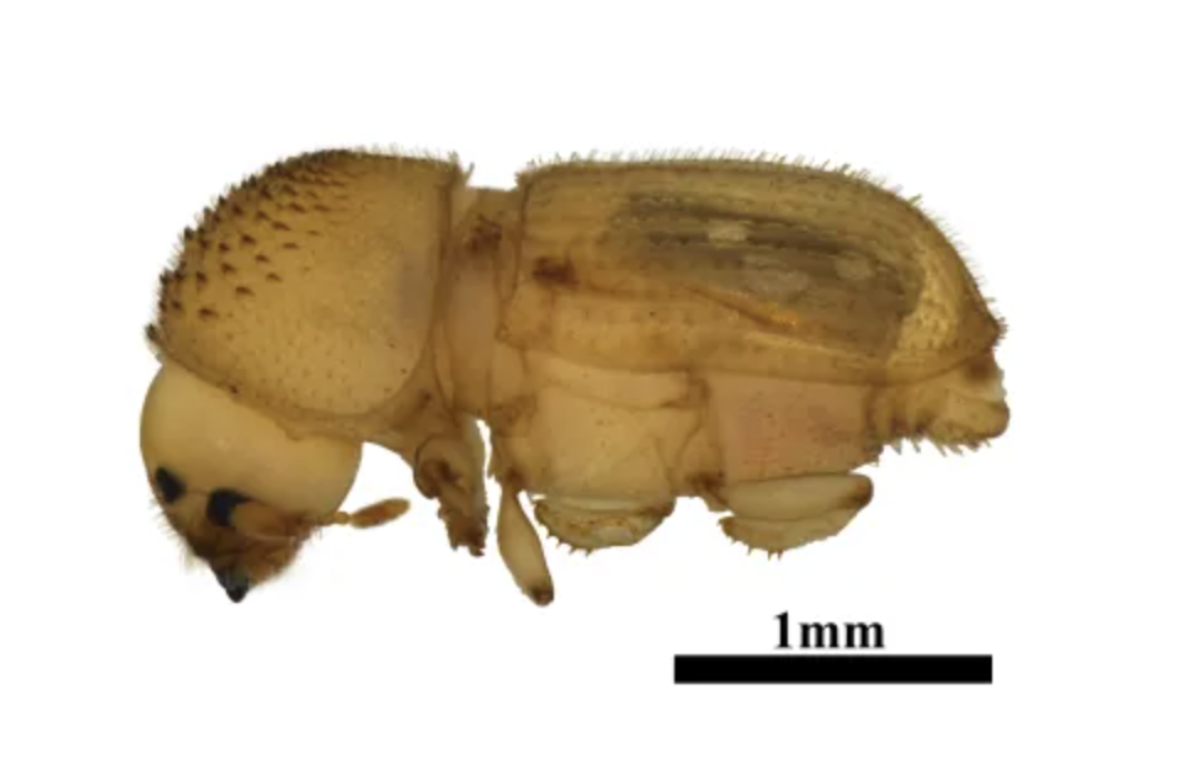
Inside that bark: a beetle the size of a grain of rice. Three millimeters long. A species that has never been found at a U.S. port of entry before.
Ctonoxylon spinifer Eggers. A potentially devastating agricultural pest. And it almost made it to Texas.
Why This Matters to Texas Farmers
This beetle feeds on fig and olive trees. Texas grows both. And if this pest established itself in Texas agriculture, the damage could be catastrophic.
Unlike most bark beetles that tunnel underneath bark and destroy trees from the inside, Ctonoxylon burrows and breeds directly within the bark layers themselves. The trees weaken. The damage spreads. And once the pest gets established, it’s almost impossible to eradicate.
One passenger carrying medicinal bark. One beetle. That’s all it takes for a new agricultural plague to reach American soil.
How CBP Caught It
This wasn’t luck. This was expertise. During a routine inspection at Detroit Metropolitan Airport, CBP agriculture specialists examined the bark more closely than most people would. They spotted the beetle. They preserved it. They contacted the USDA.
The USDA confirmed what CBP suspected: this was Ctonoxylon spinifer Eggers—a species with no recorded history of interception at any U.S. port of entry. First-in-nation. First time ever caught entering America.
The beetle and the prohibited bark were seized immediately. The passenger was released without incident. The threat was contained.
The Bigger Picture: Biosecurity
This interception exposes something critical: agriculture and natural resources face constant threats from pests, diseases, and invasive species trying to enter the country. Most come accidentally. Some come deliberately. But they all represent potential disaster for American farmers.
Texas agriculture is worth billions of dollars annually. Citrus, cotton, pecans, and yes—figs and olives. If a single pest species becomes established, it can wipe out entire crops. It can force farmers out of business. It can collapse regional economies.
CBP agriculture specialists are the first line of defense. They inspect incoming cargo, luggage, and biological materials. They make the calls that protect entire industries.
One three-millimeter beetle almost made it through. How many other threats slip past undetected?
What You Need to Know
If you’re traveling internationally and bringing back agricultural products—bark, seeds, plants, herbs, anything grown in the ground—you need to declare it. Every single item.
“Travelers can help safeguard American agriculture and our natural resources by declaring all agricultural items,” CBP officials said. It’s not just about following rules. It’s about protecting the livelihood of farmers across Texas and America.
That medicinal bark from Africa? It seemed harmless. It was supposed to help someone’s health. But it was carrying a pest that could devastate agriculture across entire regions.
The Real Risk
Agriculture isn’t just farms. It’s the economy built around farms. It’s the jobs, the supply chains, the export markets, the food security of entire regions. A single invasive pest species can collapse that entire system.
This beetle never made it to Texas. But it proves the threat is real. It proves insects and pests are constantly trying to enter America through luggage, cargo, and mail. It proves that CBP’s agriculture specialists are doing work that most people never see but that protects everyone’s livelihoods.
One grain-of-rice-sized beetle. One alert agriculture specialist. That’s the difference between a contained threat and an agricultural catastrophe.
If You Travel Internationally: Declare all agriculture items—bark, herbs, seeds, plants, dried goods. Even items you think are harmless could carry pests or diseases. CBP agriculture specialists will inspect them, but only if you declare them first.
Timeline: February 2025 – Beetle intercepted at Detroit Metropolitan Airport | October 16 – Species officially confirmed as never-before-intercepted in U.S.