
Trump administration announced two sweeping initiatives that signal a fundamental shift in how the government supports agriculture and nutrition in America.
First: $12 billion in emergency relief for farmers crushed by historic cost increases. Second: a bipartisan partnership with 18 states to stop junk food from being purchased with food stamps and get nutritious meals on American tables.
Together, these moves represent a comprehensive strategy to fix what the Biden administration broke—and to address a national health crisis that’s threatening America’s military readiness.
The Farmer Crisis Is Real
Let’s start with the numbers. Between 2020 and now, American farmers have been getting squeezed from every direction. Seed costs jumped 18%. Fuel went up 32%. Fertilizer exploded 37%. Labor costs rose 47%. Interest expenses skyrocketed 73%.
That’s not just inflation. That’s an existential threat to farming in America. When your input costs nearly double while commodity prices stagnate, you can’t survive. You go into debt. You lose your farm. Rural America starts to die.
“Under President Joe Biden, the cost of doing business increased drastically, and commodity prices slumped after the beginning of the Russia-Ukraine war,” said Secretary of Agriculture Brooke Rollins. “Rural America was on the brink of ruin.”
The Bridge Program: $12 Billion in Immediate Relief
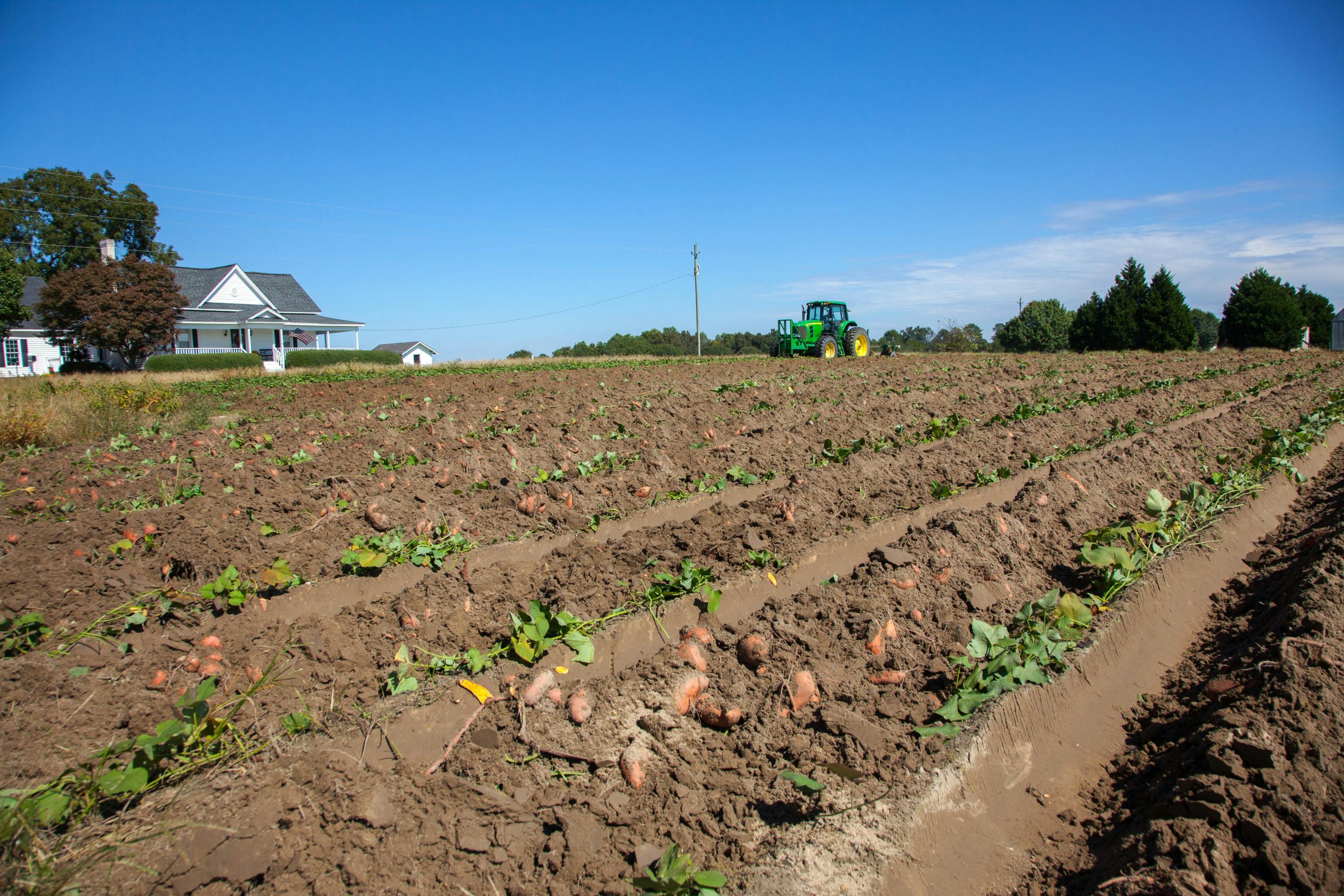
The Trump administration just announced the Farmer Bridge Assistance Program—$12 billion in targeted support for row crop farmers who’ve been devastated by market disruptions and inflated input costs.
The money breaks down like this: $11 billion goes to eligible row crop farmers—corn, soybeans, wheat, cotton, and similar crops. The remaining $1 billion is reserved for other commodities not covered in the initial announcement.
Here’s what matters: payments hit farmer bank accounts by February 28, 2026. This isn’t some theoretical future benefit. This is real money coming in the next two months.
“Our farmers don’t want to farm for government checks,” Rollins emphasized. “They want fair markets. This is a bridge—temporary support while new trade deals take effect and input costs come down.”
Why This Is Different From Biden’s Approach
The Biden administration never signed a single new trade agreement in four years. In 10 months, Trump has opened markets across the European Union, United Kingdom, Japan, Mexico, South Korea, and Southeast Asia. That means American farmers have more buyers for their crops.
The administration is also lowering input costs directly. Fuel prices are already down because of Trump’s energy policies. The Farm Credit Administration issued guidance allowing emergency loan restructuring for farmers facing cash-flow stress.
And the administration is investigating anti-competitive practices in agriculture—meat processing, seed, fertilizer, equipment. If corporations are price fixing or engaging in monopolistic behavior that drives up costs, the USDA is coming after them.
The Second Crisis: American Kids Are Obese and Unfit for Military Service
While farmers are struggling, America faces another catastrophe: childhood obesity and chronic disease are disqualifying 75% of young Americans from military service.
According to the CDC, over 40% of American children have at least one chronic health condition. Over 350,000 have been diagnosed with diabetes. More than 75% of military-age youth are ineligible for service—primarily due to obesity, poor fitness, and mental health challenges.
This isn’t just a health issue. This is a national security threat.
The SNAP Reform: 18 States Say No to Junk Food
So what does food assistance have to do with it? Everything.
For too long, sugary drinks were the #1 item purchased with SNAP benefits (food stamps). Not vegetables. Not fruit. Not nutritious food. Soda.
This week, Secretary Rollins signed waivers for six new states allowing them to restrict junk food purchases with SNAP benefits. That brings the total to 18 states—Hawaii, Missouri, North Dakota, South Carolina, Tennessee, Virginia, and 12 others approved earlier this year.
These states can now prevent SNAP recipients from buying sugary drinks and junk food. The money has to go toward actual nutrition: fruits, vegetables, whole grains, lean proteins.
“SNAP is finally being steered back toward its intended purpose: getting wholesome foods on the plates of America’s most vulnerable,” Rollins said.
Why This Is Bipartisan
Here’s what’s remarkable: these aren’t just red states. Hawaii, Missouri, Virginia, North Carolina, and Tennessee represent a genuine bipartisan coalition. Democratic and Republican governors alike understand that childhood obesity is a crisis.
The chronic disease epidemic doesn’t respect party lines. Neither does the threat to military readiness. That’s why this is bipartisan.
The Numbers on SNAP
15.6 million American children participate in SNAP. That’s 39% of all SNAP participants. These are kids in families struggling to afford food. Giving them access to nutritious options instead of soda and junk food changes their health trajectory.
The impact compounds. Healthier kids do better in school. They’re more likely to be physically fit. They’re more likely to be eligible for military service if they choose it. They’re less likely to develop chronic diseases that cost the healthcare system trillions of dollars.
What This Means for Texas
Texas has massive agricultural production and a growing population. The farm relief program directly supports Texas row crop farmers facing the same cost pressures as farmers nationwide.
The SNAP reform affects millions of Texas children in families receiving food assistance. Getting nutritious food in front of kids instead of processed junk food starts changing health outcomes in Texas communities.
The Bigger Picture
These two programs represent a complete philosophical shift from the Biden administration.
Instead of letting farmers struggle and hoping they survive, the Trump administration is providing temporary relief while fixing the underlying problems—opening new trade markets, lowering input costs, investigating monopolies.
Instead of letting SNAP become a subsidy for junk food manufacturers, states are taking control and steering the program toward actual nutrition and actual health.
“All great change in America begins at the dinner table,” Rollins said, quoting Ronald Reagan. “That’s where we’re starting.”
Farmer Bridge Assistance Program:
- $12 billion total
- $11 billion for row crop farmers (corn, soybeans, wheat, cotton, etc.)
- $1 billion reserved for other commodities
- Payments by February 28, 2026
SNAP Nutrition Reform:
- 18 states approved for restrictions on junk food purchases
- Eligible states: Hawaii, Missouri, North Dakota, South Carolina, Tennessee, Virginia, and 12 others
- Restrictions cover sugary beverages and other junk food
- 15.6 million children affected