
U.S. Customs and Border Protection intercepted 1,578 counterfeit items — jerseys, beanies, and shirts — in 18 shipments during a five-day operation timed to the World Cup, with most goods originating from Hong Kong
With the FIFA World Cup 2026™ underway, U.S. Customs and Border Protection officers in Indianapolis carried out a targeted operation against counterfeit tournament merchandise before some teams had even arrived for their matches.
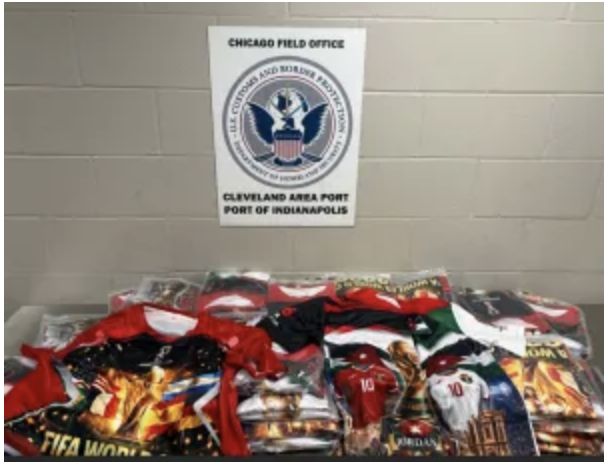
According to CBP, officers conducted Operation Winner’s Circle from June 1 through June 5, seizing 18 shipments of counterfeit FIFA World Cup 2026™ jerseys, shirts, beanies, and other merchandise. In total, officers intercepted 1,578 items that, if genuine, would have carried a combined Manufacturer’s Suggested Retail Price of $134,594. CBP said the actions protect American consumers and businesses from intellectual property rights violations.
The agency reported that the operation was organized using intelligence gathering and analysis of past trends ahead of major events. CBP said it focused on recipients who accept shipments of goods that violate the intellectual property rights of companies owning trademarks and copyrights associated with the FIFA World Cup 2026™ and related merchandise. Similar operations across the country have resulted in the seizure of thousands of items infringing on intellectual property rights, according to the agency.
What Officers Seized
CBP said the seized shipments included 530 FIFA World Cup 2026™ jerseys, 380 beanies, 349 Puma, Adidas, and Nike shirts associated with the tournament, and 319 other FIFA World Cup 2026™ related items. Most shipments originated from Hong Kong and were destined for locations both within and outside the United States, the agency reported.
“Sports fans often pay big money for sports memorabilia,” said Indianapolis Port Director Brett Mueller. “Counterfeit sports memorabilia de-funds our sports organizations, funds criminal networks, and scams the fans. Officers in Indianapolis work hard each day to protect our domestic businesses and American consumers.”
Why It Matters for Texas Fans
The seizure lands as the World Cup draws record attention across the United States, including in Texas, where Houston and Dallas are among the host cities for the 2026 tournament. With fans across the state looking to buy team gear and memorabilia, CBP’s warning about counterfeit goods carries direct relevance for Texas shoppers.
CBP said the rapid growth of e-commerce allows consumers to easily purchase millions of products online, but that this access also gives counterfeit and pirated goods more ways to enter the U.S. economy. The agency said counterfeit commodities fund smugglers and organized crime, and that consumers often believe they are buying genuine products only to find the items are substandard.
Beyond sports merchandise, CBP said commonly counterfeited items include fake medications, perfumes, cosmetics, children’s toys and costumes, fashion, jewelry, luxury products, and unsafe electronics and automotive parts — goods the agency said can pose serious health and safety risks due to inferior or harmful materials.
A Warning to Online Shoppers
CBP reminded consumers to shop from reputable online sources. The agency said e-commerce sales have contributed to large volumes of low-value, small packages being imported into the United States, and that more than 90% of all counterfeit seizures occur in the international mail and express environments — channels for small, e-commerce packages destined for the U.S. Many of those shipments contain counterfeit goods that pose the same health, safety, and economic security risks as large, containerized shipments, according to CBP.
The agency said it protects the intellectual property rights of American businesses through its Intellectual Property Rights enforcement program, and that suspected violations can be reported to CBP.