
U.S. Customs and Border Protection said officers intercepted 8,400 fake Nike jerseys at Miami International Airport, linked to an earlier seizure of nearly 7,900 more involving the same shipper
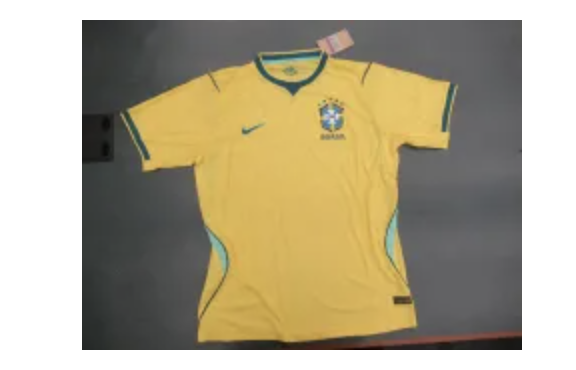
U.S. Customs and Border Protection said its officers in Miami seized 8,400 counterfeit Nike soccer jerseys, part of an ongoing enforcement push tied to the FIFA World Cup.
According to CBP, the seizure happened on June 17, 2026, at Miami International Airport as part of an operation the agency calls Trade Special Operation World Cup. The agency said the jerseys carried a domestic value of $252,000 and would have had a manufacturer’s suggested retail price of $840,000 if genuine. CBP said the shipment was labeled as “T-shirts,” originated in China, and was bound for Brazil.
The agency said the seizure is directly linked to an earlier interdiction. According to CBP, officers seized 7,857 counterfeit Nike jerseys in a related shipment — also manifested as “T-shirts” and in transit from China to Brazil — that the agency valued at more than $412,000 domestically. CBP said both shipments involved the same shipper and consignee, which it said indicates a pattern of illicit trade. Together, the two seizures account for more than 16,000 counterfeit jerseys.
CBP said the jerseys were seized for violating intellectual property rights, specifically Nike’s trademarked Swoosh design. The agency said it routinely uses intelligence gathering and analysis of past trends ahead of major events such as the Super Bowl and World Cup.
“These seizures underscore CBP’s unwavering commitment to protecting American consumers and businesses from the harmful effects of counterfeit goods,” said Miami/Tampa Director of Field Operations Daniel Alonso. Alonso said officers working under the operation are focused on identifying and intercepting illicit shipments and disrupting criminal networks.
A Broader World Cup Crackdown
According to CBP, the agency has made more than 1,400 seizures related to the FIFA World Cup, totaling over $23 million in suggested retail value had the goods been genuine. The agency said the seizures protect more than intellectual property — describing them as a way to safeguard economic security, keep proceeds from reaching criminal organizations, and stop enterprises that profit from forced labor.
CBP said the rapid growth of e-commerce gives counterfeit and pirated goods more ways to enter the U.S. economy, and that such products often fund smugglers and organized crime while leaving consumers with substandard items. The agency said more than 90% of counterfeit seizures occur in the international mail and express shipping environments that handle small e-commerce packages.
CBP urged consumers to shop from reputable sources and said suspected violations can be reported to the agency or to the National Intellectual Property Rights Coordination Center at iprcenter.gov or 1-866-IPR-2060.