

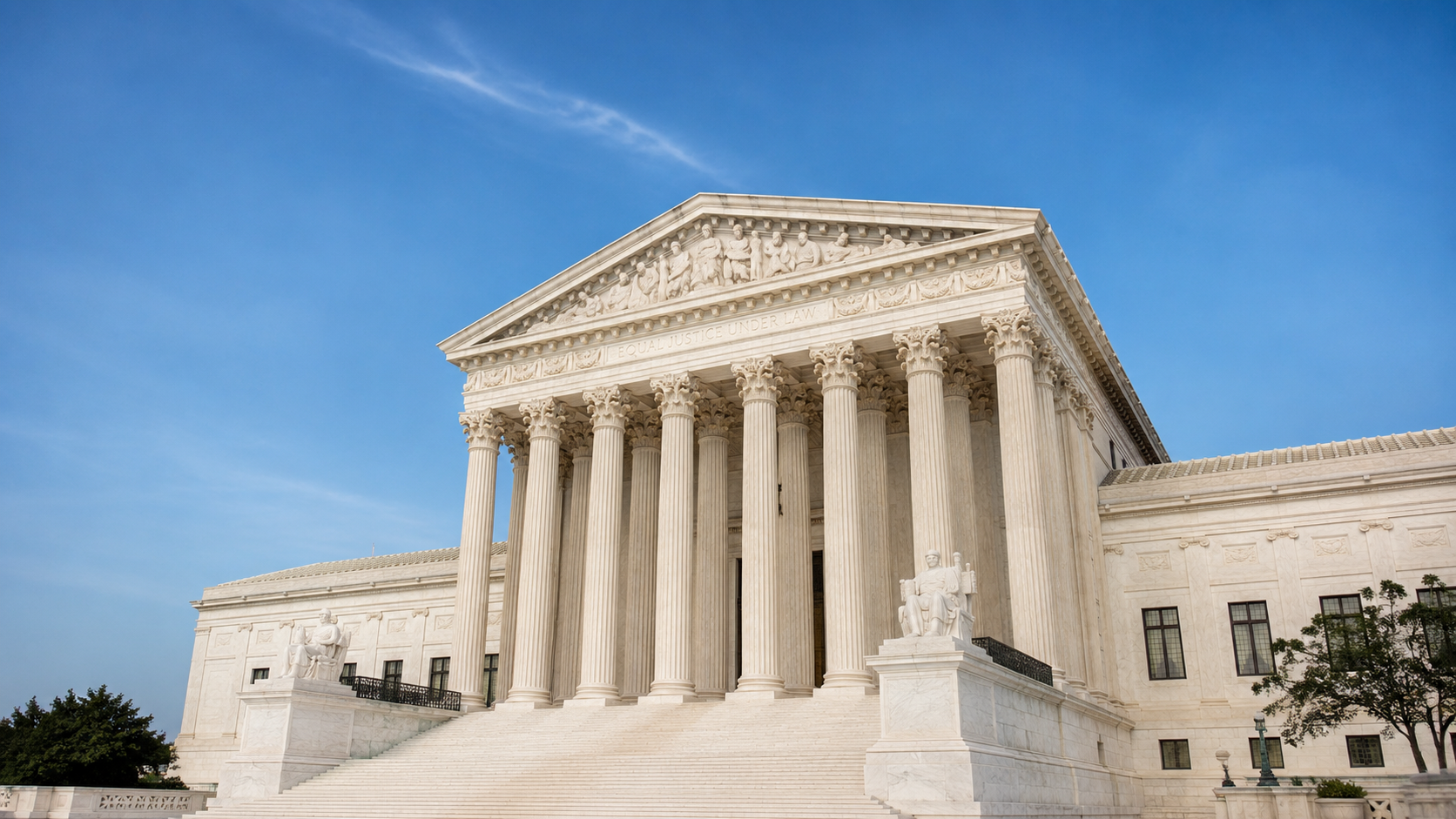
In two 6-3 rulings, the high court cleared the way to turn away asylum seekers on the Mexican side of the border and to end temporary protected status for Haitians and Syrians; the Department of Homeland Security praised the decisions while critics warned of serious consequences
The U.S. Supreme Court handed the Trump administration two significant immigration victories on Thursday, June 25, in rulings that directly touch the U.S.-Mexico border, including the long stretch that runs along Texas.
According to news reports on the decisions, the court ruled 6-3 in both cases, with the conservative majority siding with the administration and the three liberal justices dissenting. The Department of Homeland Security praised the outcomes. “These rulings are all victories for the rule of law and common sense,” said DHS General Counsel James Percival, who said they give the agency additional tools to secure the border.
The Asylum Ruling and the Texas Border
In Mullin v. Al Otro Lado, the court held that a migrant standing on the Mexican side of the border has not legally “arrived in the United States” and therefore is not entitled to apply for asylum or to be inspected by an immigration officer until they actually cross onto U.S. soil. Justice Samuel Alito, writing for the majority, reasoned that in ordinary language a person does not “arrive at” a place before entering it. The ruling reversed a Ninth Circuit decision that had said a noncitizen stopped at the border is eligible to apply for asylum.
For the Texas border specifically, the practical effect is this: the decision clears the legal path for the government to use a practice known as “metering” — limiting or turning away asylum seekers at ports of entry before they set foot in the country. That matters along Texas’s border crossings, from El Paso to Laredo to the Rio Grande Valley, which see large volumes of people seeking to present asylum claims at ports of entry.
One important caveat for your readers: according to reporting, metering is not currently in effect and hasn’t been in recent years. The administration told the court it wanted clarity that it could reinstate the policy if border conditions worsen. So the ruling doesn’t change anything at Texas ports of entry overnight — it gives the administration the legal green light to revive metering if and when it chooses. Notably, the policy isn’t new or partisan in origin: it began under the Obama administration in 2016, was expanded under Trump’s first term, and was rescinded under Biden.
In dissent, Justice Sonia Sotomayor, joined by Justices Elena Kagan and Ketanji Brown Jackson, warned that the decision could push more people to attempt dangerous crossings. “More lives will be lost,” she wrote, arguing more people would be forced to walk along the border in dangerous conditions seeking a port that will inspect them. Attorneys for the challengers said the ruling endangers human rights and the rule of law.
The TPS Ruling
In the second case, referred to in the DHS release as Mullin v. Doe, the court allowed the administration to end Temporary Protected Status for roughly 350,000 Haitians and several thousand Syrians living in the U.S. TPS lets foreign nationals live and work legally in the country when DHS deems it unsafe for them to return home.
According to reporting, the court ruled that a provision of the TPS law bars courts from reviewing the DHS secretary’s decisions to grant or terminate the status — meaning challenges to such decisions generally cannot be heard in court. The majority also found that public statements about Haiti did not rise to the level of unconstitutional racial discrimination that would let a court set the decision aside. Critics, including immigrant-advocacy and humanitarian groups, said the decision will strip legal status from hundreds of thousands of people, many of whom entered the country lawfully, and warned of severe consequences for families and for countries like Haiti facing widespread violence and instability.
The Bottom Line for Texas
In his statement, Percival said the rulings also make it easier to remove lawful permanent residents who commit crimes, and reaffirm that TPS was always meant to be temporary. He described the decisions as the latest instance of the administration’s policies being upheld at the high court.
For Texas, the most direct effect is at the border itself: the asylum ruling gives the federal government clearer legal authority to turn away asylum seekers at Texas ports of entry before they cross, should it choose to reinstate metering. The TPS ruling’s impact will be felt more in Texas communities with TPS-holding residents than at the border. As with any major Supreme Court decision, the full real-world effects will depend on how and when the administration acts on its new authority — something that will unfold in the days and weeks ahead.