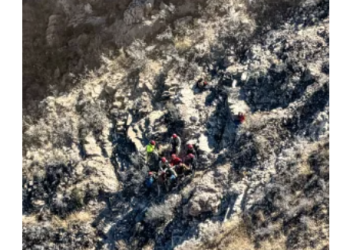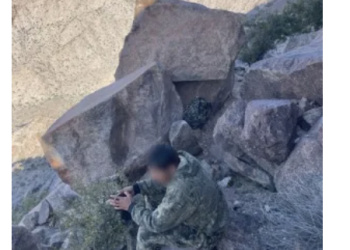


On December 7-11, U.S. Border Patrol conducted a five-day enforcement surge along Interstate 90 near St. Regis, Montana. What they found was staggering: 51 arrests, 14 pounds of methamphetamine, 14 pounds of cocaine, fentanyl, two missing juveniles recovered, and a convicted violent sex offender.
This wasn’t a small operation. This was a coordinated multi-agency takedown of transnational criminal networks operating across western Montana.
What The Operation Actually Accomplished
In just five days, law enforcement teams:
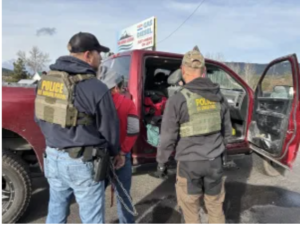
Made 51 Total Arrests:
- 41 individuals in violation of immigration law
- 1 convicted violent sex offender
- 6 DUI arrests
- Multiple individuals with felony warrants
Executed 38 Interdictions: Stopped vehicles and individuals involved in criminal activity.
Recovered a Stolen Vehicle: One less stolen car on Montana roads.
Seized Massive Drug Quantities:
- 14 pounds of methamphetamine
- 14 pounds of cocaine
- Fentanyl powder
- Marijuana
Rescued Two Missing Juveniles from Washington state who had been reported missing.
That’s a staggering amount of criminal activity disrupted in just five days on one interstate corridor.
The Sex Offender Angle
One of the 41 individuals arrested for immigration violations was identified as a convicted violent sex offender. He was in the country illegally. Border Patrol caught him.
This proves what Border Patrol constantly argues: they catch dangerous criminals, not just immigration violators. A convicted violent sex offender operating in Montana is exactly the type of threat that justifies enforcement operations.
The Drug Crisis
Fourteen pounds of methamphetamine and fourteen pounds of cocaine seized in five days on one highway corridor tells you how much drugs are flowing through Montana.
Methamphetamine is destroying rural Montana communities. Cocaine fuels gang violence and addiction across the region. And fentanyl—even small amounts—can kill.
These drugs don’t appear by accident. They’re being actively smuggled through Interstate 90 by transnational criminal organizations. Border Patrol just disrupted that pipeline.
The Missing Juveniles
Two missing juveniles from Washington state were recovered during the operation. That’s not a typical Border Patrol mission, but it happened because Border Patrol was in the right place at the right time during the enforcement surge.
Two young people are now safe instead of potentially being trafficked or harmed.
How This Operation Worked
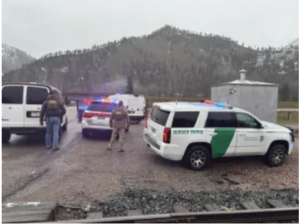
This wasn’t one agency acting alone. It was coordinated:
Federal:
- U.S. Border Patrol (Spokane Sector, Whitefish, Eureka, Bonners Ferry stations, plus Havre Sector)
- Montana Army National Guard Counterdrug Task Force
State:
- Montana Highway Patrol Criminal Interdiction Team
- Montana Highway Patrol Strategic Enforcement Traffic Team
Local:
- Mineral County Sheriff’s Office
“This operation demonstrates the power of collaboration,” said Chief Patrol Agent Jason Liebe. “By combining intelligence, aerial surveillance, and coordinated enforcement, we were able to disrupt criminal activity, recover missing juveniles, and strengthen public safety across western Montana.”
That’s the key: intelligence-led targeting, aerial surveillance, coordinated enforcement. Not random stops, but systematic disruption of criminal networks.
The Interstate 90 Corridor
Why is I-90 critical? Because it’s a major trafficking route. It runs from Washington state through Montana and into the northern tier of the country. Drug smugglers, human traffickers, and fugitives use I-90 because it’s a major highway with consistent traffic.
Border Patrol and state/local law enforcement focus on I-90 corridors specifically because they know that’s where criminal organizations operate.
The Transnational Criminal Organization Angle
This operation specifically targeted “transnational criminal organizations engaged in narcotics trafficking and alien smuggling.” That means organized crime groups operating across national borders.
These aren’t random smugglers. They’re networks with infrastructure, financing, and supply chains. Dismantling their operations is complex and requires coordination across agencies and jurisdictions.
One five-day operation disrupts them temporarily. But the broader fight continues.
What This Means for Montana
Western Montana just got safer—at least temporarily. Major drug quantities are off the streets. Criminals are in custody. Fugitives are caught. Missing kids are home.
But the criminal organizations behind these operations aren’t defeated. They’ll regroup. They’ll find other routes. They’ll try again.
That’s why these operations need to be sustained. One surge isn’t enough. Constant pressure, intelligence-led targeting, and coordinated enforcement is what actually disrupts criminal networks long-term.
The Message to Criminal Organizations
When Border Patrol, state police, and local law enforcement coordinate like this, it sends a message: Montana isn’t an easy trafficking route. The risk is high. Law enforcement is watching.
That might push criminal organizations to try other corridors. That just moves the problem. But it also proves that coordinated enforcement works.
The Local Law Enforcement Perspective
Montana Highway Patrol Colonel Kurt Sager said: “I am proud of the work that our Criminal Interdiction Team, and Strategic Enforcement Traffic Team did during this operation to keep drugs and fugitives off of our streets. We are proud to work with partnering agencies to keep Montana a safe place for all.”
That’s the reality on the ground: state and local law enforcement want federal partners working with them on these operations. They want intelligence. They want coordination. They want to disrupt criminal networks together.
Why This Matters Beyond Montana
Montana is a border state—not on the Canadian border specifically in this case, but part of the northern tier where criminal organizations move product and people. Operations like this demonstrate that Border Patrol isn’t just focused on the southern border.
Northern border security is real. Criminal organizations operate there. Border Patrol engages there.
The Bottom Line
In five days on one interstate corridor in Montana, law enforcement made 51 arrests, seized 28 pounds of hard drugs plus fentanyl, recovered two missing juveniles, caught a convicted violent sex offender, and apprehended fugitives.
This is what coordinated enforcement looks like. Federal, state, and local agencies working together. Intelligence-led targeting. Sustained pressure on criminal networks.
One operation doesn’t solve the problem. Criminal organizations adapt. But it proves the approach works and that coordination matters.
For Montana communities, this operation means fewer drugs on the streets, dangerous criminals in custody, and missing young people safe. That’s real impact.
Operation Results (Dec. 7-11, 2025):
- 51 total arrests
- 41 immigration law violators
- 1 convicted violent sex offender
- 6 DUI arrests
- Multiple felony warrant fugitives apprehended
- 38 interdictions executed
- 1 stolen vehicle recovered
- 2 missing juveniles from Washington state recovered
Drugs Seized:
- 14 pounds methamphetamine
- 14 pounds cocaine
- Fentanyl powder
- Marijuana
Agencies Involved:
- U.S. Border Patrol (Spokane Sector)
- Montana Highway Patrol (Criminal Interdiction Team and Strategic Enforcement Traffic Team)
- Mineral County Sheriff’s Office
- Montana Army National Guard Counterdrug Task Force
- Local law enforcement partners
Location: Interstate 90 corridor near St. Regis, Montana
Operation Focus: Disrupting transnational criminal organizations engaged in narcotics trafficking and alien smuggling