

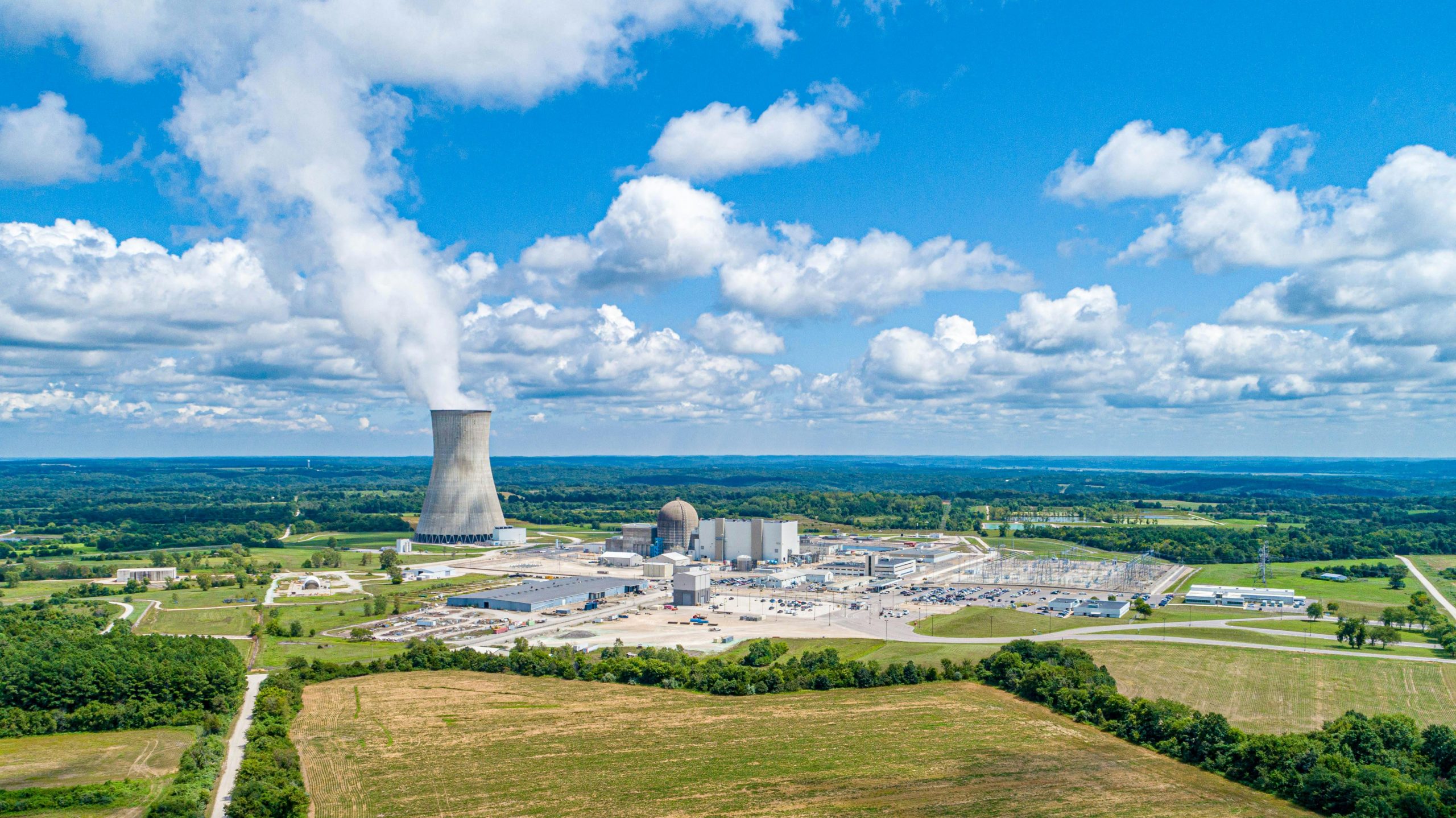
Austin, Texas — In a major step toward energy diversification and long-term power stability, Texas lawmakers have passed House Bill 14 (HB 14), laying the foundation for a new era of nuclear energy in the state.
The bill, signed into law and set to take effect on September 1, 2025, establishes a dedicated state office to support the development and deployment of advanced nuclear technology, including small modular reactors (SMRs). With up to $200 million in funding available for approved projects, Texas is positioning itself at the forefront of America’s next energy evolution.
The Legislation: What HB 14 Does
HB 14 sets in motion several key actions:
- Creates a new state office to coordinate nuclear energy initiatives.
- Allocates up to $200 million to support the construction of new nuclear reactors, including SMRs.
- Funds research, fuel production, and safety development to build a domestic infrastructure for nuclear energy.
The goal, lawmakers say, is not only to meet the state’s rising energy demands but to do so with low-carbon, stable power sources. Nuclear energy, they argue, offers a solution capable of reducing emissions without compromising reliability.
Where Could the First Plant Go?
While an official site has yet to be named, West Texas is emerging as the most likely candidate. The region already serves as a major energy corridor, with wind, gas, and solar infrastructure in place. Its open landscape and strong grid connections make it an ideal location for early SMR deployment.
SMRs—considered safer and more adaptable than older reactor designs—can be scaled to meet the needs of rural or industrial regions and deployed faster with lower upfront infrastructure demands.
The Case For—and Against—Nuclear Energy in Texas
Supporters of HB 14 view nuclear energy as a necessary evolution for the state’s power grid. They point to a growing population, recent weather-related blackouts, and the intermittent nature of wind and solar energy as reasons to diversify with nuclear.
Critics, however, warn of the financial and environmental implications of nuclear development. While SMRs offer advances in safety, the long-term costs and waste storage requirements remain unresolved.
Pros:
- 24/7 Power: Unlike solar or wind, nuclear offers steady baseload energy regardless of weather.
- Lower Emissions: Nuclear power produces no carbon emissions during operation.
- Job Growth: New plants would bring skilled jobs to Texas communities, especially in construction and engineering.
- Energy Independence: Expands Texas’ ability to meet its own energy needs without relying on external sources.
Cons:
- High Costs: Nuclear plants are expensive to build and decommission, even with state support.
- Safety Concerns: Though improved, public skepticism persists around potential accidents.
- Waste Storage: Spent fuel requires secure, long-term containment—an issue with no national solution.
- Community Resistance: Local opposition may emerge as plant locations are announced.
Texas and the Nation: Nuclear Power by the Numbers
The U.S. remains the world leader in nuclear energy with:
- 93 operating reactors across 28 states
- 54 commercial nuclear plants
- 18–20% of the nation’s electricity generated from nuclear power
Texas already hosts two nuclear facilities:
- South Texas Project near Bay City
- Comanche Peak Nuclear Power Plant near Glen Rose
These plants have provided reliable electricity to Texans for decades. HB 14 aims to build on that legacy with next-generation nuclear solutions.
What Happens Next?
With the passage of HB 14, Texas will begin evaluating proposals, funding initial designs, and engaging with communities. The first SMR project could be greenlit within a year of the bill’s effective date.
Public input is expected to shape much of the process, particularly around location, safety measures, and long-term waste solutions. State energy officials say transparency and local partnership will be key to building trust in this next phase of energy development.
The Bigger Picture
As energy demands rise and pressure grows to cut emissions, Texas is looking to strengthen its grid with diverse, homegrown power sources. Nuclear energy, once dismissed by some as too costly or risky, is gaining renewed interest among policymakers eager to secure long-term reliability.
For many Texans, the coming months will bring questions and debates: Is nuclear worth the investment? Will it deliver on its promises of safety and sustainability? And how will it affect everyday families?
One thing is certain—HB 14 marks a turning point. Whether Texas becomes a national leader in next-generation nuclear power will depend on what comes next.