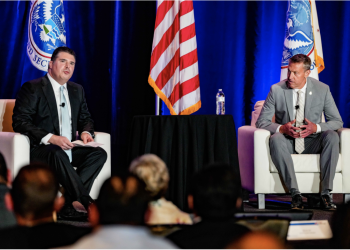


Texas firefighters, police departments, emergency managers, and local leaders just received a major boost. The Federal Emergency Management Agency announced nearly $3.5 billion in grants flowing back to states and communities across America, empowering local officials to prepare for disasters without Washington bureaucrats dictating how to spend every dollar.
Secretary Noem’s announcement shifts control from federal agencies to the people who actually respond when disasters strike – your local first responders and emergency managers who know your community’s unique needs better than anyone in Washington.
What Texas Communities Can Do With This Money
These grants cover the kind of preparedness work that saves lives when hurricanes slam the Gulf Coast, tornadoes tear through North Texas, wildfires threaten the Hill Country, or floods devastate Central Texas communities.
Texas fire departments can hire and train new firefighters through the Assistance to Firefighters Grant Program. Rural volunteer departments struggling with aging equipment and limited staff can finally upgrade their capabilities to protect growing communities.
Law enforcement agencies across the state can access Homeland Security Grant Program funds to prevent terrorist attacks and enhance security. Border counties receive Operation Stonegarden funding specifically designed for border security operations – money that goes directly to sheriffs and police chiefs managing daily security challenges.
Texas ports in Houston, Corpus Christi, Beaumont, and other Gulf Coast locations receive Port Security Grant Program funding to protect critical infrastructure that keeps goods moving and the Texas economy strong. These ports handle billions in trade, and their security affects everyone.
Churches, synagogues, mosques, and other nonprofits can apply for Nonprofit Security Grant Program funds to enhance facility security. Recent years have shown that houses of worship face real threats, and this funding helps protect congregations.
Emergency managers in counties and cities across Texas can strengthen warning systems, improve coordination between agencies, and build the infrastructure needed to respond effectively when disaster strikes. The Emergency Management Grant Program supports the backbone of Texas disaster response.
Cybersecurity Protection for Texas
The State and Local Cybersecurity Grant Program addresses a growing threat most Texans never see but could devastate communities. Cyberattacks can shut down water systems, disable emergency dispatch, compromise hospital records, or disrupt power grids.
Texas state agencies and local governments can now invest in the technology and training needed to protect critical systems. When ransomware attacks hit other states, well-prepared Texas systems can keep operating.
What Changed Under New Leadership
The announcement emphasized a critical shift in how FEMA operates. The Trump administration conducted thorough reviews of all grant programs and recipients to eliminate waste and ensure accountability.
Assistant Secretary Tricia McLaughlin made clear that previous practices of using disaster funding for purposes unrelated to emergency preparedness have ended. Funds now focus exclusively on strengthening community resilience and disaster response capabilities.
The emphasis on state and local control means Texas emergency managers decide priorities based on Texas needs, not federal mandates disconnected from on-the-ground reality.
Who Benefits in Texas
Fire Departments: Hire firefighters, purchase equipment, conduct training
Law Enforcement: Enhance terrorism prevention, border security, investigation capabilities
Emergency Managers: Build warning systems, improve coordination, strengthen response plans
Port Authorities: Secure critical infrastructure and trade facilities
Churches and Nonprofits: Install security systems and protect facilities
Local Governments: Protect against cyber threats and infrastructure attacks
Transit Systems: Enhance security on buses and rail systems
Tribal Nations: Access dedicated homeland security and cybersecurity grants
The Complete List
FEMA awarded grants across numerous programs this month, including specialized funding for intercity bus security, passenger rail protection, dam safety, earthquake preparedness, urban search and rescue teams, and targeted violence prevention.
The variety of programs reflects the diverse threats Texas communities face. Coastal areas need different preparedness than Panhandle towns. Urban centers face different challenges than rural counties. These grants allow each community to address its specific vulnerabilities.
Getting Your Community’s Share
Texas state agencies handle most grant applications and distribute funds to local governments and organizations. Individual fire departments, police agencies, and emergency management offices should contact their state administrative agency to learn about available funding and application processes.
Nonprofits seeking security grants can apply directly through FEMA’s grant portal. The application process requires documentation of security vulnerabilities and proposed security enhancements.
Time matters. Grant cycles have specific application windows, and competitive programs award funds to the strongest applications. Communities that prepare thorough applications and clearly demonstrate need increase their chances of receiving funding.
What This Means for Your Safety
When your local fire department has proper equipment and trained firefighters, response times improve and lives get saved. When emergency managers can afford modern warning systems, you receive earlier alerts about approaching tornadoes or floods. When law enforcement has resources to prevent terrorism, your community stays safer.
These grants represent an investment in the people who run toward danger when everyone else runs away. They fund the systems that protect you, your family, and your property when disaster strikes.
Texas faces unique challenges – devastating hurricanes, catastrophic floods, severe tornadoes, wildfires, border security threats, and critical infrastructure protection needs. Federal grant programs that empower state and local decision-makers to address these challenges make more sense than one-size-fits-all mandates from Washington.
The $3.5 billion announcement signals a return to federalism – the principle that states and communities closest to problems should control solutions. Texas emergency managers know Texas needs better than federal bureaucrats ever could.
For More Information:
Visit FEMA.gov/grants for detailed program information, eligibility requirements, and application procedures. Texas emergency management agencies and first responder organizations should contact their state administrative agencies for specific guidance on accessing available funds.
This funding strengthens Texas communities, empowers local leaders, and builds the resilience needed to face whatever disasters come next. When disaster strikes, you want your community prepared – these grants make that preparation possible.