
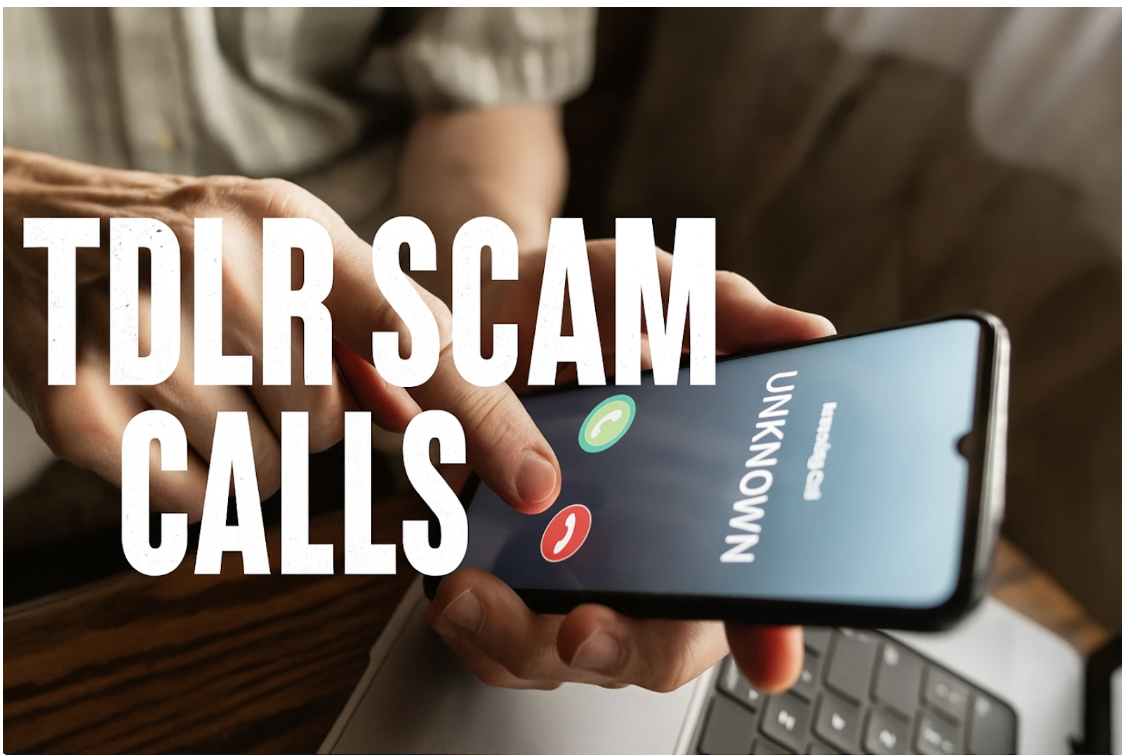
If you hold any kind of professional license in Texas – from electrician to cosmetologist, air conditioning contractor to massage therapist – scammers are coming for you. Right now, they’re making calls that look exactly like they’re coming from the Texas Department of Licensing and Regulation (TDLR), and they’re getting frighteningly good at sounding official.
The Texas Department of Licensing and Regulation is warning all 1 million+ licensees across 39 different industries: These calls usually come from someone claiming to be a TDLR investigator who says there’s an issue with the TDLR license or file. Other calls have claimed that the person receiving the call is a victim of identity theft and that a criminal case has been filed against them. Other calls have claimed that the FBI is investigating the licensee.
Here’s what makes this scary: when you look at your caller ID, it shows TDLR’s actual customer service number (512-463-6599). The person on the other end sounds professional, uses official language, and creates urgent scenarios designed to make you panic and act fast.
The Three Most Common Lies They’re Telling
Lie #1: “There’s a problem with your license” They claim you’ve violated regulations, your license is about to be suspended, or there’s some administrative issue that requires immediate attention.
Lie #2: “You’re a victim of identity theft” They tell you someone has used your information to commit crimes and that a criminal case has been filed against you.
Lie #3: “The FBI is investigating you” They escalate the fear by claiming federal investigators are looking into your activities and you need to cooperate immediately.
In every case, the solution they offer involves you providing personal information, paying fees, or giving them access to your accounts to “resolve” the situation.
Why This Is Happening in Texas Right Now
Government imposters (17,348 reported) were among the top scam categories reported by Texas consumers recently, according to state consumer protection officials. This isn’t just a TDLR problem – it’s part of a massive wave of government imposter scams hitting Texas.
As “Scammers constantly refresh the nature of the scams, making them difficult to consistently spot,” McKenzie said. “As detection has improved, so have the methods used by scammers.” Amy McKenzie from the Riverside County District Attorney’s Office told The Epoch Times about the evolving tactics scammers use nationwide.
The TDLR has already dealt with multiple waves of these attacks. A TDLR licensee alerted the agency to the scam email. TDLR notified the Texas Department of Information Resources, and the TDLR Information Security team is investigating. They’ve seen everything from fake emails asking licensees to “validate their information” to sophisticated phone calls using spoofed numbers.
What TDLR Actually Does (And Doesn’t Do)
Here’s the simple truth that could save you from getting scammed: we won’t call you to tell you that your license is suspended or that you’re being investigated or ask you for money.
TDLR is very clear about their communication practices:
- They don’t make unsolicited calls about license problems
- They don’t ask for money over the phone
- They don’t threaten you with immediate action
- They don’t ask for passwords, Social Security numbers, or banking information during phone calls
When TDLR does need to contact you, it’s usually through official mail with their logo, or in response to something you initiated with them.
The Real Cost of These Scams
Victims across the state have suffered losses totaling tens of thousands of dollars, according to the agencies. The U.S. Marshals Service and FBI reported about similar government imposter scams affecting people nationwide.
But the financial loss is just part of the damage. Texans aren’t just handing over cash to fraudsters, they’re handing over their social security numbers, addresses and more. “Mainly the thing that people are searching for is their data,” said Wilson. “A lot of people think they need to protect physical things like their home and their car and things like that. Treshayla Wilson from the Texas Office of Consumer Credit Commissioner explains that identity theft often causes more long-term damage than the immediate financial loss.
How to Protect Yourself Right Now
If someone calls claiming to be from TDLR:
- Don’t give them anything – no information, no payments, no access to your accounts
- Hang up immediately – don’t engage with the caller or try to verify their claims
- Call TDLR directly at their official number: (512) 463-6599 or 1-800-803-9202
- Ask TDLR if they actually called you – because they probably didn’t
If you receive a phone call that appears to come from TDLR but you haven’t called or emailed us first – and if the caller is asking for personal information or requests payment – please don’t provide any information or payment. Call TDLR first to confirm whether we actually called you – because we probably didn’t.
This Is Bigger Than Just Phone Calls
TDLR has also dealt with sophisticated email scams. Recipients of the email are being misinformed that TDLR is in need of all licensees to confirm their personal information on the website or to expect “issues with their license.” TDLR said in a statement they have sent no such email.
The fake emails looked official and directed people to websites that perfectly mimicked TDLR’s real site, asking for dates of birth, Social Security numbers, and driver’s license numbers.
What Texas Is Doing About It
Texas Attorney General Ken Paxton has been actively warning Texans about these scams: “All Texans should be aware of unsolicited calls and emails from scammers impersonating leaders in their government. This is a dirty trick fraudsters are using to make a quick buck at the expense of hardworking Texans,” said Attorney General Paxton.
Multiple state agencies are working together to track these scams and prosecute the criminals behind them. The Texas Comptroller, Texas Workforce Commission, and other agencies have all issued similar warnings about imposter scams targeting their constituents.
If You Already Got Scammed
Don’t be embarrassed – these scammers are professionals who’ve fooled plenty of smart people. Take action immediately:
- Contact your bank and credit card companies to report unauthorized charges
- Change passwords on your TDLR account and any other accounts that might be compromised
- File a police report with your local law enforcement
- Report it to TDLR so they can warn other licensees
- Consider a credit freeze to prevent new accounts from being opened in your name
The Bottom Line
Your professional license represents years of training, investment, and hard work. Don’t let scammers use it against you. Remember: legitimate government agencies don’t operate through threatening phone calls demanding immediate payment.
When in doubt, hang up and call back using the official number you can verify on the agency’s website. It might feel awkward, but it’s a lot less awkward than explaining to your bank why thousands of dollars disappeared from your account.
Stay vigilant, Texas professionals. These scammers are counting on you to panic and act without thinking. Don’t give them that satisfaction.
Sources:
Beware of Calls Appearing to Come From TDLR
We’ve been hearing from licensees that some of you have received suspicious phone calls that appear to come from the TDLR Customer Service line (512-463-6599).
These calls usually come from someone claiming to be a TDLR investigator who says there’s an issue with the TDLR license or file. Other calls have claimed that the person receiving the call is a victim of identity theft and that a criminal case has been filed against them. Other calls have claimed that the FBI is investigating the licensee.
Please know this: we won’t call you to tell you that your license is suspended or that you’re being investigated or ask you for money.
If you receive a phone call that appears to come from TDLR but you haven’t called or emailed us first – and if the caller is asking for personal information or requests payment – please don’t provide any information or payment. Call TDLR first to confirm whether we actually called you – because we probably didn’t.