Your baby’s crib might be missing something important: absolutely nothing.
Between 2018 and 2023, 51 infants died in Travis County from suffocation during sleep. Forty of those deaths happened right here in Austin. Every single one could have been prevented.
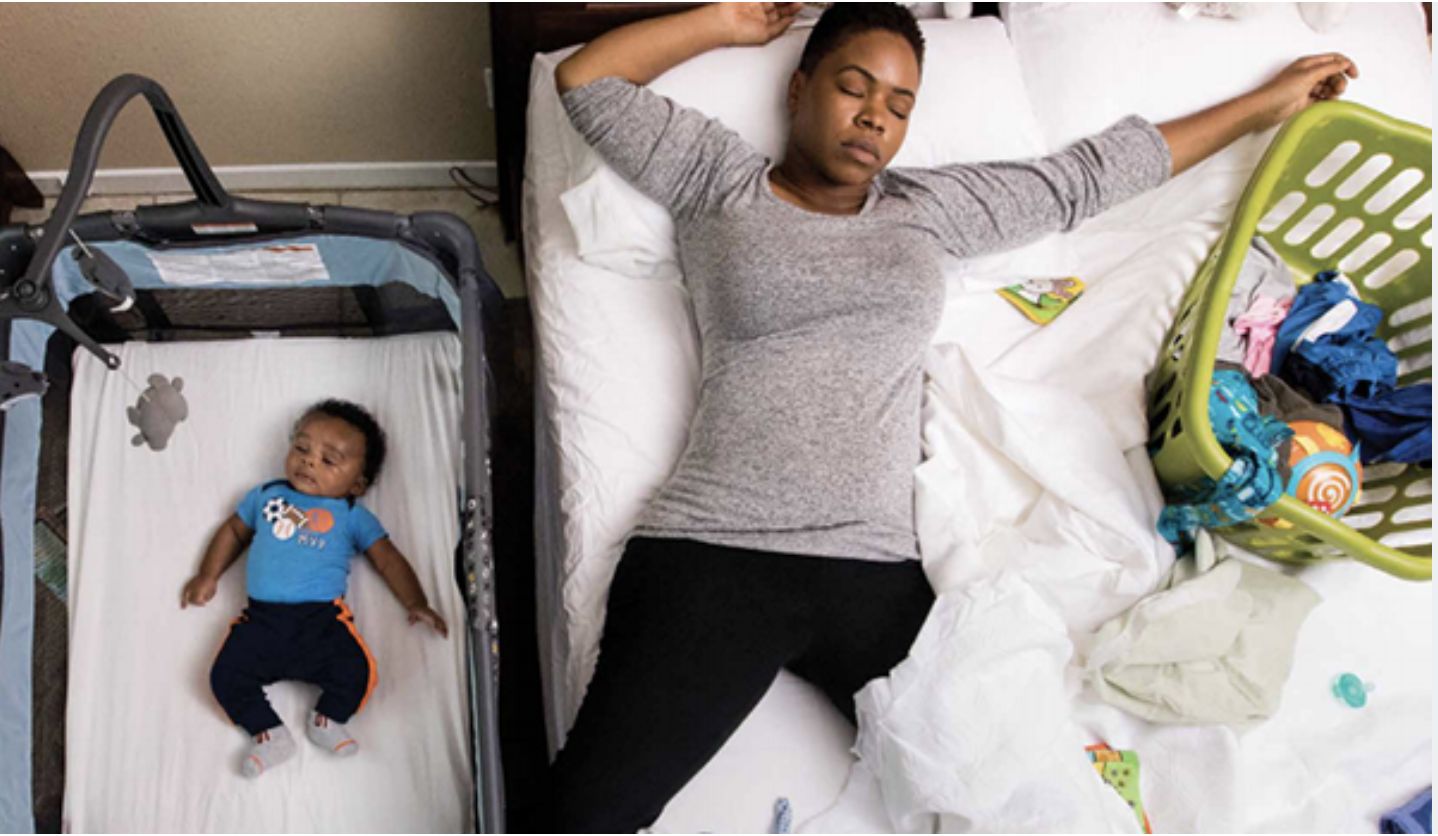
These weren’t bad parents. They were exhausted moms and dads making split-second decisions at 3am. A blanket to keep baby warm. Bringing baby into bed for easier night feedings. A soft pillow that seemed harmless. Small choices with devastating consequences.
“The data shows that many of these deaths are avoidable,” said Austin-Travis County Health Authority Dr. Desmar Walkes. “We need to educate families about safe sleep environments to protect our most vulnerable residents.”
You can protect your baby tonight. Here’s how.
The Simple Rule That Saves Lives
Babies sleep safest alone, on their backs, in an empty crib.
No blankets. No pillows. No stuffed animals. No bumpers. Just your baby and a firm, flat mattress with a fitted sheet.
That’s it. That’s the whole rule.
Why This Matters Right Now
Your baby’s body works differently than yours. When you get too warm, you kick off the covers. When breathing becomes difficult, you wake up and adjust. When you roll over onto something uncomfortable, you move.
Your baby can’t do any of that.
Babies can’t push blankets off their faces. They can’t lift their heads if they end up face-down in soft bedding. They can’t reposition themselves when breathing becomes hard. Their little bodies suffocate silently while you sleep just feet away.
What the Numbers Tell Us
The pattern in Austin shows exactly where danger hides:
Nearly half the deaths happened in babies under three months old. The youngest babies face the highest risk.
Two out of three babies died in adult beds, not cribs. Your bed wasn’t designed for infant safety.
More than half were sharing that bed with another person—a parent, sibling, or caregiver who accidentally rolled onto them or trapped them against the mattress.
Eighty-four percent of deaths involved blankets. Seventy-one percent involved pillows. These everyday items turn deadly for infants.
Two out of five babies weren’t placed on their backs to sleep. Side or stomach sleeping dramatically increases risk.
African American infants died at disproportionately high rates—pointing to gaps in education, resources, or both.
Sleep deaths now kill more Austin babies than car accidents, falls, or choking. They’re the leading cause of injury death for infants under one year old.
Across Texas and Beyond
This isn’t just an Austin problem. One Fort Worth hospital saw 30 infant sleep deaths in just 15 months. That’s more deaths than drownings and gunshot wounds combined at that hospital during the same period.
Texas cities show dramatic differences in infant mortality—and sleep deaths make up a significant portion. Houston shows an eight-fold difference in infant death rates depending on which neighborhood you live in. Fort Worth’s rates vary six-fold between adjacent zip codes. San Antonio and Longview show similar patterns—your address determines your baby’s risk.
Most Texas cities don’t publish sleep-death-specific numbers like Austin does, making direct comparisons difficult. But the pattern holds everywhere: Black and Native American babies die at rates more than double that of white babies, and geography matters as much as race.
Nationwide, about 3,700 infants die each year from sudden unexpected deaths during sleep. The disparity shows up in every city tracking these numbers.
The Rules Every Parent Needs to Follow
Back sleeping, every single time. Place your baby on their back for every sleep—nighttime and naps. Not side. Not stomach. Back.
Use the right sleep space. Your baby needs a crib, bassinet, or portable play yard with a firm, flat mattress and a fitted sheet. Not your bed. Not the couch. Not a recliner. Not a car seat left in the living room.
Keep it empty. Remove all blankets, pillows, stuffed toys, bumpers, and other soft items. If you worry your baby feels cold, dress them in warmer sleep clothing or use a sleep sack. Never add a blanket.
Room share without bed sharing. Keep your baby’s crib in your bedroom for at least the first six months, ideally the first year. You stay close enough to hear every sound, but your baby has their own safe space.
Stay awake during night feedings. If you’re nursing at night, feed your baby then move them back to their crib before you fall asleep. If you think you might doze off, feed them in a chair rather than in bed where you could accidentally trap them in bedding.
Breastfeed if possible and don’t smoke. Both reduce your baby’s risk significantly.
You Don’t Get to Be the Exception
Maybe you’re thinking “I’m a light sleeper” or “just this once won’t hurt” or “my baby sleeps better with me.”
Forty Austin families thought the same thing. They woke up to find their babies dead.
You don’t get special permission to break the rules because you’re tired or because it seems easier or because you want your baby close. The data doesn’t care about your intentions. Loving, attentive parents lose babies in unsafe sleep environments every single day.
Take Action Tonight
Check your baby’s sleep space right now. Remove every blanket, pillow, and stuffed animal. If they’re sleeping in your bed, move them to a crib tonight.
Don’t have a crib? Austin Public Health provides free cribs to families who qualify. Cost should never be the reason your baby sleeps in an unsafe space.
Can’t get a crib immediately? Clear everything off your bed—every blanket, every pillow—and place your baby on their back on the flattest, firmest part of the mattress away from edges or gaps. Then get a crib as fast as you can.
Want your baby close for night feedings? Get a bassinet that attaches to your bed. They’re designed specifically for room sharing without bed sharing.
Help Available for Austin Families
Austin Public Health doesn’t just publish reports. They provide real support:
Free cribs for families who can’t afford them (eligibility and availability apply)
Free educational presentations at community groups, hospitals, and clinics
Free nurse home visits through Family Connects Austin—trained nurses come to your home to assess your baby’s health and connect you to resources
Online resources with safe sleep education and parenting tips
The Bottom Line
Fifty-one babies died in six years. Deaths that happened silently. Deaths that could have been prevented by removing a blanket, using a crib, placing babies on their backs.
You can’t bring back the babies who died. But you can make sure yours isn’t next.
Follow the rules. Get help if you need it. Don’t assume it won’t happen to you.
The safest way for a baby to sleep is alone, on their back, in an empty crib. Do it tonight.
Resources and Support
Austin Public Health Injury Prevention Program
(512) 972-5520
austintexas.gov/department/injury-prevention
Free educational presentations, crib assistance program, Safe Sleep Coalition
Family Connects Austin
familyconnectsatx.org
Free nurse home visits for newborns, health assessments, community resource connections
Texas Health and Human Services
getparentingtips.com/babies
Safe sleep education and parenting tips
American Academy of Pediatrics
aap.org/en/patient-care/safe-sleep
Safe sleep guidelines and tools for parents
Full Austin Public Health Report
austintexas.gov/sites/default/files/files/Report-on-ASSB-Deaths-in-Travis-County-2018—2023-FINAL.pdf