

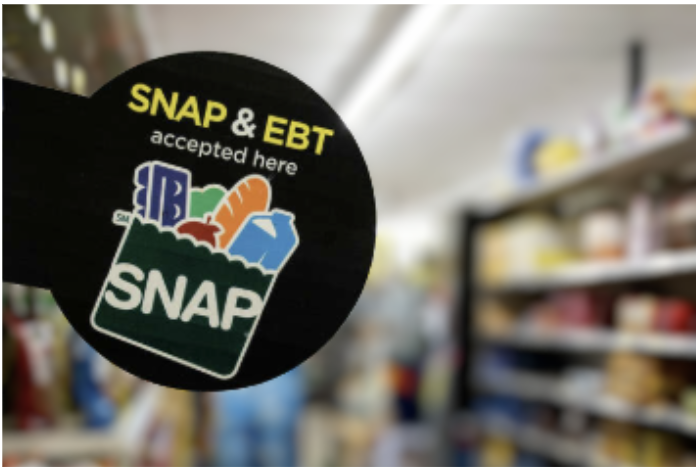
Major changes to food assistance take effect Friday, November 1, tightening eligibility rules for millions of Americans who rely on SNAP benefits to put groceries on the table.
If you receive SNAP—formerly called food stamps—you need to understand what’s changing and whether these new rules affect you. Some Texans will lose benefits entirely. Others face new requirements to keep them. And a government shutdown threatens to delay November payments for everyone.
The Work Requirement Gets Stricter
Starting Friday, able-bodied adults without young children must prove they’re working, training, or volunteering at least 80 hours every month to keep their SNAP benefits beyond three months.
This isn’t new—the requirement existed before. What changed is who it applies to and how strictly states must enforce it.
The rule now covers adults up to age 65 (previously capped at 54). Parents with teenagers aged 14 or older now count as “without dependents” and face the work requirement. Veterans, homeless individuals, and young adults aging out of foster care lost their automatic exemptions.
You meet the requirement by working a regular job, participating in job training programs, volunteering in your community, or enrolling in education programs that prepare you for employment. The key number: 80 hours per month. Document your hours and report them to your local SNAP office monthly.
Miss the requirement for three months within any three-year period? Your benefits stop unless you qualify for an exemption.
Who’s Still Exempt
Not everyone faces the work requirement. You’re exempt if you’re:
Pregnant, caring for a child under 14, age 65 or older, receiving disability benefits from any source, enrolled in school at least half-time, physically or mentally unable to work, or receiving SSI.
If you think you qualify for an exemption, tell your caseworker immediately. Don’t assume they know your situation—speak up at your next appointment or call your local office now.
Immigration Status Matters More
The new law removes SNAP eligibility from several groups of non-citizens who previously qualified.
Refugees, asylum seekers, human trafficking survivors, people with Temporary Protected Status, and several other categories of immigrants lost eligibility as of Friday. If you applied for SNAP before November 1 and already receive benefits, you’ll lose eligibility at your next recertification appointment.
U.S. citizens remain eligible. Lawful permanent residents (green card holders) can still qualify after meeting the standard five-year waiting period. Cuban and Haitian entrants specifically remain eligible, as do citizens of Palau, Micronesia, and the Marshall Islands. Active duty military members, honorably discharged veterans, and their families keep their eligibility.
If you’re unsure about your status, contact your local SNAP office. Immigration status questions feel intimidating, but SNAP participation doesn’t count as “public charge” and won’t affect your immigration case. Get accurate information from official sources rather than guessing and potentially losing benefits you’re entitled to receive.
State Waivers Disappear
Texas and other states previously received waivers allowing them to suspend work requirements in areas with high unemployment or limited job opportunities. Those waivers end Saturday, November 2.
If you currently receive SNAP because your area had a waiver, you get three more months—December, January, and February—to meet the work requirement or qualify for an exemption. Don’t wait. Start documenting your work hours or gathering exemption paperwork now. By March, you’ll need to prove compliance or your benefits end.
Going forward, waivers only apply where local unemployment exceeds 10 percent—a threshold rarely reached even during recessions.
Your Benefits Buy Less Over Time
The law changes how SNAP calculates benefit amounts. Previously, the USDA re-evaluated food costs every five years and adjusted benefits to match what healthy groceries actually cost. Now benefits only adjust for general inflation.
Food prices often rise faster than general inflation. Over time, your SNAP benefits will fall further behind actual grocery costs—about $7 per person per month lower by 2027-2031, growing to $15 monthly by 2032-2034.
Translation: Your benefits won’t stretch as far at the checkout line in future years.
November Payments Threatened by Shutdown
Here’s the immediate crisis: The federal government shutdown that started October 1 threatens November SNAP payments for everyone.
The USDA warned states on October 10 that if Congress doesn’t pass a funding bill, November SNAP benefits may be delayed or not issued at all. This affects all 42 million Americans on SNAP regardless of the new eligibility rules.
Texas receives hundreds of millions in monthly SNAP funding from the federal government. The state budget can’t absorb even one month of federal failure. If the shutdown continues past Friday, November benefits could arrive late or not at all.
Check your EBT card balance regularly and contact your local SNAP office if your November benefits don’t arrive on schedule.
The Numbers Behind the Changes
These changes stem from the “One Big Beautiful Bill Act” signed in July. Over the next decade, the law cuts SNAP funding by $186 billion—the largest reduction to food assistance in American history.
The Congressional Budget Office projects 2.4 million people will lose SNAP monthly over the next ten years. Nationwide, about 22.3 million families will lose some or all benefits.
States face higher costs too. By 2027, the federal government will only cover 25 percent of SNAP administrative costs instead of the current 50 percent. States must cover the remaining 75 percent, potentially forcing them to cut enrollment or reduce benefits to balance their budgets.
What You Should Do Right Now
Don’t wait to see what happens. Take action this week:
Call your local SNAP office and ask whether the new rules affect you. Gather documentation proving your work hours if you’re subject to the 80-hour requirement—pay stubs, timesheets, employer letters, or verification from training programs count. Collect paperwork for any exemptions you qualify for—medical records for disabilities, birth certificates proving your youngest child’s age, proof of pregnancy, or disability benefit statements.
Keep your immigration documents accessible if you’re a non-citizen—your green card, documentation of your immigration status, or proof you’re a protected category like Cuban or Haitian entrant.
Report your work hours every month. Missing even one month’s reporting can start the clock on your three-month time limit even if you’re actually working enough hours.
Update your contact information with your SNAP office so you receive notices about your case.
Where to Get Help
Your local SNAP office can answer questions specific to your situation. Find your county office contact at the Texas Health and Human Services website or call 2-1-1 for assistance.
Community organizations, food banks, and legal aid societies across Texas are preparing to help residents navigate these changes. Many offer free assistance with paperwork, exemption applications, and understanding the new rules.
The USDA maintains a state directory at fns.usda.gov/snap/state-directory with contact information and resources.
The Bigger Picture
SNAP serves as a safety net during tough economic times—helping families bridge gaps between paychecks, supporting people transitioning between jobs, and ensuring kids get enough to eat.
These changes fundamentally alter that safety net. Critics argue the new rules push vulnerable people deeper into poverty rather than helping them find stable employment, especially in rural areas or small towns where steady jobs remain scarce.
Supporters counter that linking benefits to work increases labor force participation and preserves program resources for those most in need.
Regardless of the politics, the practical reality hits Friday: stricter rules, tighter enforcement, and potentially delayed payments all arrive at once.
If you receive SNAP benefits, November matters. Know the rules. Gather your documents. Contact your local office with questions. Don’t lose benefits you’re entitled to receive because you missed a deadline or didn’t understand a requirement.
Key Changes Summary
Effective November 1, 2025
Work Requirements:
- 80 hours per month minimum (work, training, volunteering, education)
- Now applies to ages 18-65 (previously 18-54)
- Three-month time limit in any three-year period if requirements not met
- Veterans, homeless individuals, foster care youth lost automatic exemptions
- Parents with children 14+ now subject to requirements
Immigration Changes:
- Refugees, asylum seekers, TPS holders lose eligibility
- Some non-citizens lose benefits at next recertification
- Green card holders still eligible after 5-year wait
- Cuban/Haitian entrants remain protected
Waiver Changes:
- All state waivers end November 2, 2025
- Three-month grace period for those previously covered
- Future waivers only where unemployment exceeds 10%
Payment Delays:
- Government shutdown threatens November payments for all recipients
- No state can cover federal funding gap
- Check EBT card regularly for deposit
Resources: Texas SNAP Information: Call 2-1-1 or visit hhs.texas.gov USDA SNAP State Directory: fns.usda.gov/snap/state-directory Local SNAP Office: Contact your county Health and Human Services office