
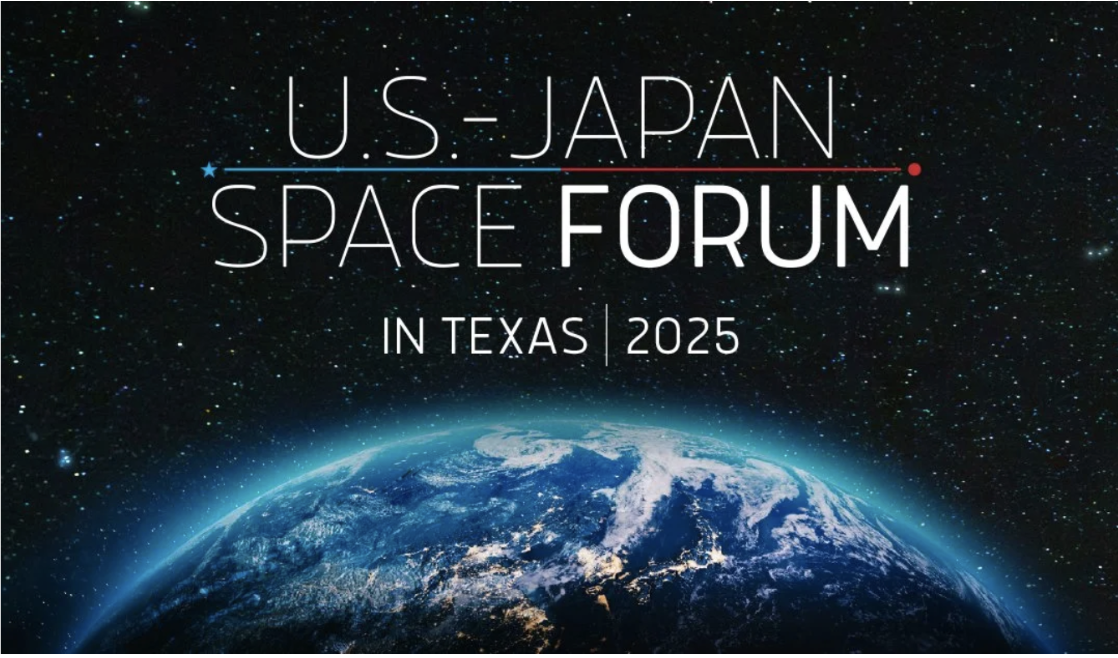
On December 2, Rice University’s Hudspeth Auditorium will host a conversation that matters far beyond Houston’s city limits. Two astronauts—one American, one Japanese—will take the stage alongside leaders from companies building the next generation of space stations. The topic? What happens when the International Space Station retires in 2030, and how the U.S. and Japan will shape humanity’s future in orbit.
The U.S.-Japan Space Forum in Texas brings together the people actually designing, building, and preparing to live on commercial space stations. And you can attend for free—if you register by November 25.
Why This Forum Matters
The International Space Station has been humanity’s home in orbit for over two decades. Astronauts from 20 countries have lived there. Scientists have conducted thousands of experiments. We’ve learned how to keep humans alive in space for months at a time.
But the ISS is aging. NASA plans to retire it by 2030. The big question: what replaces it?
The answer won’t be another government-built station. Instead, commercial companies are designing and building private space stations. NASA and other space agencies will become customers—renting space on stations owned by private companies.
This shift changes everything. It’s like the difference between the government running all the airlines versus airlines being private companies that the government sometimes uses. The change creates opportunities for innovation, competition, and new uses of space we haven’t imagined yet.
The U.S.-Japan Space Forum focuses on this transition, specifically on Commercial LEO Destinations (CLDs)—the technical term for these new private space stations orbiting in Low Earth Orbit.
The Astronauts Taking the Stage
Nichole Ayers | NASA Astronaut
Nichole Ayers represents the new generation of American astronauts who will work on these commercial stations. Her perspective matters because she’ll potentially live and work on whatever comes after the ISS. She understands both the technical requirements and the human reality of living in orbit.
Takuya Onishi | JAXA Astronaut
Takuya Onishi brings Japan’s perspective to the conversation. Japan has been a crucial ISS partner, contributing the Kibo laboratory module and supporting countless missions. As these new commercial stations take shape, Japan’s role becomes even more critical—Japanese companies are investing heavily in commercial space infrastructure.
Having both astronauts on stage creates a unique opportunity. They’ve lived in space. They know what works and what doesn’t. Their insights will ground the technical discussions in human reality.
The Companies Building Tomorrow’s Space Stations
The forum features leaders from the companies actually building these new stations:
Axiom Space
Based right here in Houston, Axiom is building modules that will first attach to the ISS, then separate to become an independent station. They’re the furthest along in actual hardware development, with modules being manufactured in Texas and Italy. Their first module is scheduled to launch to the ISS in 2027.
Axiom has already flown three private astronaut missions to the ISS, giving them real experience in commercial spaceflight operations. When you attend this forum, you’re hearing from the company most likely to have the first commercial station operational.
Starlab/Voyager Space
Starlab represents a different approach—a single-launch station designed to reach full capacity immediately. The joint venture between Voyager Space (U.S.) and Airbus (Europe) plans to launch their entire station on SpaceX’s Starship rocket in 2028.
Starlab’s design emphasizes research capacity, with laboratories equivalent to the ISS’s capabilities but in a more compact design. They’ve partnered with Hilton Hotels to design crew living spaces and Palantir for data management systems. Yes, Hilton—bringing hospitality expertise to space.
Mitsubishi Heavy Industries
Japan’s industrial giant brings decades of aerospace experience to commercial space. Mitsubishi is investing in Starlab and developing technologies to support Japanese commercial activities in orbit. Their participation shows how serious Japan is about the commercial space economy.
LEO Shachu
This company focuses specifically on enabling Japanese commercial activities in Low Earth Orbit. Their presence at the forum highlights how both countries are working to ensure their industries can access and benefit from space.
What You’ll Learn
The forum is organized around four key themes that frame the entire transition from ISS to commercial stations:
1. Lessons from the ISS
What worked on the International Space Station? What didn’t? Before building new stations, we need to understand what the ISS taught us about living in space long-term. This session examines 25+ years of lessons learned.
2. Technical Challenges
Building a commercial space station isn’t just about making it bigger or cheaper. There are genuine technical hurdles: life support systems, power generation, crew safety, docking capabilities, communication systems. This session dives into what companies must solve before these stations can operate.
3. Societal and Economic Impacts
Commercial space stations aren’t just for astronauts and scientists. The forum explores how these platforms could enable new industries: manufacturing materials that can only be made in microgravity, pharmaceutical research, Earth observation, space tourism, technology development. What economic opportunities does commercial LEO create?
4. U.S.-Japan Collaboration Opportunities
The U.S. and Japan have worked together in space for decades. As commercial stations take over from the ISS, how does that partnership evolve? What can both countries gain from deepening collaboration? This session explores practical opportunities for cooperation.
The Bigger Picture: Why U.S.-Japan Space Partnership Matters
Space isn’t just about exploration anymore. It’s becoming strategic infrastructure—like undersea internet cables or GPS satellites. The countries and companies that control access to space will shape the next century of technology and commerce.
The U.S.-Japan space alliance matters because:
Shared Values: Both countries believe in peaceful space exploration, international cooperation, and commercial innovation. This alignment creates stable, long-term partnerships.
Complementary Strengths: The U.S. brings commercial dynamism and entrepreneurial space companies. Japan brings precision engineering, advanced materials, and patient capital investment. Together, they’re stronger than either alone.
Strategic Partnership: In an era when other countries are aggressively pursuing space capabilities, the U.S.-Japan alliance ensures that democratic nations maintain leadership in space.
Economic Opportunity: The commercial space economy could be worth trillions of dollars in coming decades. Both countries want their companies competing for that opportunity.
Who Should Attend
This forum isn’t just for space professionals. Registration is free and open to anyone interested in:
- Space Industry Professionals: Get insights from the companies actually building stations and learn about collaboration opportunities
- Academics and Students: Understand the technical and policy challenges shaping the future of space
- Business Leaders: Explore commercial opportunities in the emerging space economy
- Policy Makers: Learn how international cooperation is evolving in the commercial space era
- Space Enthusiasts: Hear directly from astronauts and industry leaders about humanity’s next chapter in orbit
The forum creates a rare opportunity: astronauts, industry leaders, and experts in one room, discussing humanity’s future in space. These conversations usually happen in closed corporate meetings or government conferences. This one is open to the public.
The Houston Connection
There’s a reason this forum happens in Houston. Space City remains the heart of American human spaceflight. NASA’s Johnson Space Center is here. The astronaut corps trains here. Mission control operates from here.
But Houston is also becoming the heart of commercial space. Axiom Space headquarters here. Intuitive Machines (which successfully landed on the Moon in 2024) is based here. The Texas Space Commission is supporting commercial space development.
Rice University—the forum’s venue—is building its own space program through the Rice Space Institute, which moderates this forum. The university is training the next generation of space scientists and engineers while engaging with the commercial space industry.
Attending this forum connects you to Houston’s space ecosystem and the broader commercial space industry.
What Makes This Year Different
This is the second annual U.S.-Japan Space Forum in Texas. The 2024 forum focused on lunar exploration—how the U.S. and Japan will collaborate on Moon missions.
The 2025 forum shifts focus to Low Earth Orbit and commercial stations because that transition is happening RIGHT NOW. Companies are building hardware. NASA is writing contracts. The ISS retirement date is set. The decisions made in the next few years will determine humanity’s presence in orbit for decades.
This isn’t theoretical anymore. It’s happening.
Practical Details
What: U.S.-Japan Space Forum in Texas 2025
When: Tuesday, December 2, 2025, 2:30 PM – 6:30 PM
Where: Rice University, Anderson-Clarke Center, Hudspeth Auditorium 6100 Main Street, Houston, TX 77005
Cost: FREE with registration
Registration Deadline: November 25, 2025
How to Register: Visit jas-hou.org/events or fill out the registration form on the Japan-America Society of Houston website
Parking: Rice University has visitor parking available (paid). The university is also accessible via METRO rail.
What to Bring: Curiosity and questions—forums typically include Q&A opportunities with speakers
The Organizations Behind the Forum
Japan-America Society of Houston: Promotes cultural and business ties between the U.S. and Japan, with a growing focus on space cooperation
Consulate General of Japan in Houston: Represents Japanese government interests in Texas and the region
JAXA (Japan Aerospace Exploration Agency): Japan’s national space agency, equivalent to NASA
Rice Space Institute: Rice University’s center for space research and education
Greater Houston Partnership: Houston’s economic development organization, supporting the region’s space industry
The Bottom Line
On December 2, you can hear astronauts who’ve lived in space explain what comes next. You can learn from companies building the next generation of space stations. You can understand how the U.S. and Japan are shaping humanity’s future in orbit.
This isn’t science fiction. These are real people solving real problems to make permanent human presence in space economically sustainable. The transition from government-run space stations to commercial platforms is one of the biggest shifts in human spaceflight since the Space Shuttle.
And you can be part of the conversation. For free.
The International Space Station will retire in 2030. What replaces it depends partly on the partnerships being built right now between companies, governments, and space agencies in both countries. The U.S.-Japan Space Forum brings those conversations into the open.
Space used to be something governments did. Now it’s becoming something companies do, with government as one customer among many. That shift creates opportunities we’re only beginning to understand—opportunities for science, commerce, exploration, and collaboration.
Register by November 25. Show up on December 2. And be part of the conversation about humanity’s next chapter in space.
Event Details
Event: U.S.-Japan Space Forum in Texas 2025
Date: Tuesday, December 2, 2025
Time: 2:30 PM – 6:30 PM
Location: Rice University, Anderson-Clarke Center, Hudspeth Auditorium
Address: 6100 Main Street, Houston, TX 77005
Cost: FREE (registration required)
Registration Deadline: November 25, 2025
Website: jas-hou.org/events
Keynote Speakers:
- Nichole Ayers, NASA Astronaut
- Takuya Onishi, JAXA Astronaut
Featured Organizations:
- Axiom Space
- Starlab/Voyager Space
- Mitsubishi Heavy Industries
- LEO Shachu
Moderator:
- Dr. David Alexander, Director, Rice Space Institute
Presented By:
- Japan-America Society of Houston
- Consulate General of Japan in Houston
Supported By:
- JAXA
- Rice Space Institute
- Greater Houston Partnership
Getting There:
- METRO: Red Line to Rice University/Main Street Station
- Parking: Visitor parking available on campus (paid)
- From Downtown: Take Main Street south to Rice campus
What to Expect:
- 4-hour program with keynote addresses, panel discussions, and Q&A
- Networking opportunities with space industry professionals
- Insights from astronauts who’ve lived in space
- Technical discussions on future space station development
- Policy perspectives on international space cooperation
Questions?: Contact Japan-America Society of Houston through their website at jas-hou.org