

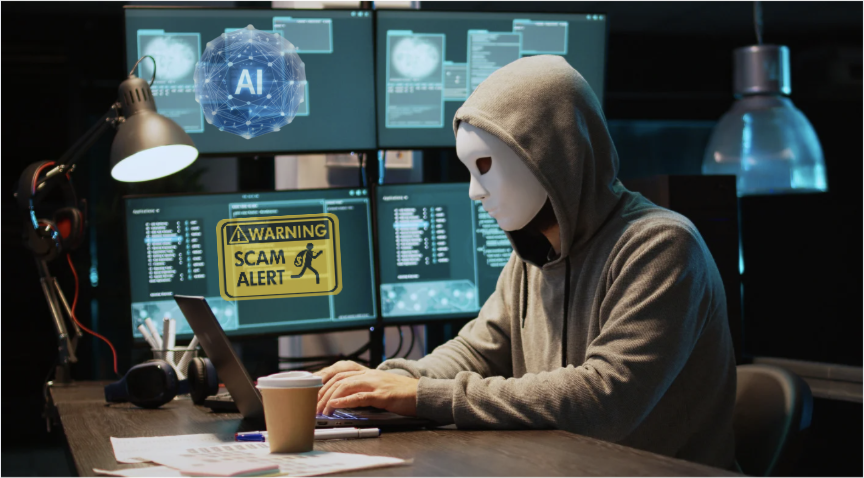
The FBI just issued a blunt warning: scammers are coming for your wallet this holiday season. And they’re using artificial intelligence to do it better than ever.
In the first seven months of 2025 alone, AI-powered scams generated more than 9,000 complaints to the FBI’s Internet Crime Complaint Center. These aren’t random frauds. These are sophisticated operations using technology to create fake profiles, voice clones, identification documents, and videos so convincing you’d swear they’re real.
And the holidays are their peak season.
The AI Factor Changes Everything
Fraudsters are using AI to create phishing emails without spelling or grammar mistakes—things that used to be dead giveaways. They’re cloning voices. They’re generating videos of public figures or even loved ones asking for money. They’re impersonating banks, retailers, and customer service representatives with terrifying accuracy.
FBI Director Kash Patel put it simply: “If you feel pressured to act fast, pay money, or turn over personal information—take a beat. Stop and assess if what you’re being told is real.”
He also acknowledged the embarrassment factor: “Scammers are banking on the fact that you’ll feel too embarrassed to come forward and report the crime to the FBI. Don’t let them win.”
The Numbers Are Staggering
Last year, the FBI’s Internet Crime Complaint Center received 535,314 complaints reporting $13.7 billion in losses. That’s an average of $25,700 per victim.
Between 2020 and 2024, total reported losses hit $50.5 billion.
And during the holiday cycle and the months that follow, Americans lose more than $785 million to non-payment and non-delivery scams alone.
Who Gets Hit Hardest
People over 60 suffer the most financial losses and submit the most complaints. If you’re in that age group and fall victim to a scam, help is available. The DOJ Elder Justice Hotline (833-372-8311) can assist with filing complaints.
But here’s the reality: anyone can fall victim. Scammers don’t discriminate. They’re after your money, your personal information, and your peace of mind.
The Most Common Holiday Scams
Non-Delivery Scams You pay for goods or services online. You never receive them. The scammer vanishes.
Non-Payment Scams You sell something or ship a product. You never get paid.
Gift Card Fraud A seller asks you to pay with a pre-paid gift card. They steal the funds. You never get your item.
Account Takeover Fraud Scammers impersonate your bank or a retailer. They trick you into giving them your username, password, and multi-factor authentication code. Then they lock you out and steal your money. Since January 2025, this scam alone has generated 5,100 complaints and $262 million in losses.
Fake Charities Bogus organizations set up fake websites and social media accounts to collect donations. The money never reaches those in need.
Auction Fraud You buy something online. The product isn’t what was advertised.
Jugging Criminals follow you from banks, ATMs, or retail locations and rob you in the parking lot or as you drive away.
How Scammers Pressure You
They create urgency. They make you feel like you need to act immediately. They threaten consequences. They play on emotions—especially around the holidays when people are generous and distracted.
A common tactic: someone claiming to be from your bank or a retailer calls and says there’s a problem with your account. They ask for your login credentials, MFA code, or personal information. This is 100% fake. No legitimate company will ever ask for your MFA code.
How to Actually Protect Yourself
Don’t Click Suspicious Links Avoid clicking ads for deals. Navigate directly to official websites by typing the URL yourself.
Check Domains Carefully Fake emails and texts use misleading domains or foreign phone numbers. If something looks slightly off, it probably is.
Use a Password Manager Generate strong, unique passwords for every account. Use a password manager to store them securely.
Use Email Aliases Services like “Hide My Email” or “Shielded Email” create disposable email addresses for shopping. If there’s a breach, scammers don’t get your real email address.
Enable Multi-Factor Authentication But remember: never give your MFA code to anyone. If someone asks for it, they’re a scammer.
Use Credit Cards, Not Gift Cards When shopping online, use a credit card and check your statements regularly. Dispute suspicious charges immediately. Never pay with pre-paid gift cards.
Get Tracking Numbers For every online purchase, get a tracking number so you can verify the item was actually shipped.
Verify Charities Before donating, verify the charity is legitimate through trusted sources. Avoid charities that solicit donations via gift cards or wire transfers.
Silence Unknown Callers Caller ID can be spoofed. If you don’t recognize the number, let it go to voicemail.
Trust Your Instincts If a deal seems too good to be true, it probably is. If you feel pressured to act fast, that’s a red flag.
If You Get Scammed
Don’t be embarrassed. Report it immediately:
- File a complaint with the FBI’s Internet Crime Complaint Center at ic3.gov. Include:
- Identifying information about the scammer or company
- Methods of contact (websites, emails, phone numbers, social media)
- Financial transaction details (date, type of payment, amount, account numbers, financial institution, crypto wallet addresses)
- Contact your credit card company or bank immediately to stop, reverse, or dispute suspicious charges
- Report it to local law enforcement
- If you’re over 60, call the DOJ Elder Justice Hotline at 833-372-8311 for assistance
The Bottom Line
Scammers don’t take holidays off. They’re more sophisticated than ever, armed with AI that makes their deceptions nearly impossible to spot. They’re counting on you being rushed, distracted, and embarrassed if you fall victim.
But you don’t have to be a victim. Slow down. Think before you act. Verify before you send money. Talk to your family. Protect each other.
FBI Director Patel’s message is simple: “Take a beat. Stop and assess if what you’re being told is real. Talk to your families. Protect each other from scams.”
Do that, and scammers lose their power.
For more information, visit fbi.gov/takeabeat.