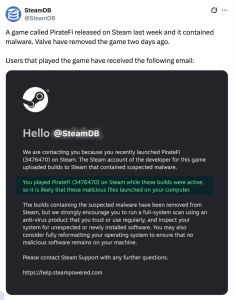

You know that old saying about how the only place you can get free cheese is in a mousetrap? Well, Steam users just learned this lesson the hard way. A free game called PirateFi turned out to be exactly that kind of trap – and now hundreds of people are discovering their online accounts have been hijacked.
If you downloaded this game, you need to take action immediately. But even if you didn’t, this story is a wake-up call about how sneaky cybercriminals have become.
What Actually Happened Here?
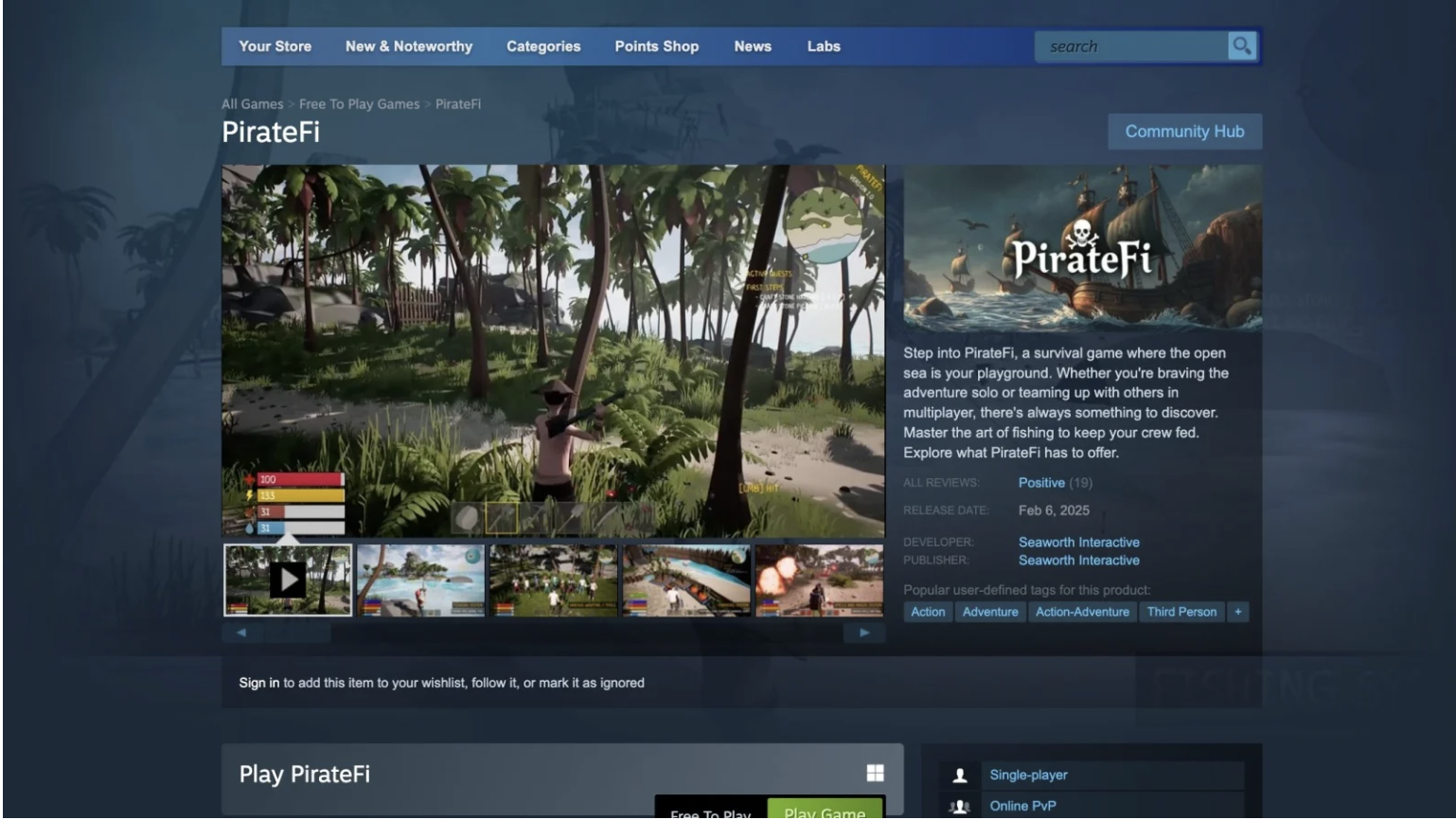
PirateFi looked like a legitimate free-to-play game when it appeared on Steam. But the moment you launched it, you weren’t starting a game – you were installing malware designed to steal your browser cookies.
Think of browser cookies like the keys to your digital kingdom. They’re little files that remember you’re logged into Facebook, Gmail, Amazon, your bank account, and everything else. When hackers steal these cookies, they can literally step into your shoes online without needing your passwords.
One victim described the nightmare: “Most of my stuff has either been hacked and passwords changed or being signed in using cookies that’ve been stolen!”
The Telegram Job Scam Connection
Here’s where it gets really sneaky. The criminals weren’t just relying on people finding the game on Steam. They were actively recruiting victims through Telegram, offering fake jobs as “in-game chat moderators” paying $17 an hour.
One smart user noticed something fishy: The “recruiter” always replied in exactly 21 seconds. That’s because it wasn’t a person – it was an AI bot designed to trick people into downloading the malware.
What Malware Actually Does to Your Life
Let’s talk about what malware really means for you. When you hear “malware,” you might think it just slows down your computer. But modern malware is way more dangerous than that.
This particular malware, called “Trojan.Win32.Lazzzy.gen,” doesn’t just steal cookies. It can:
- Take over your email accounts
- Access your bank accounts
- Steal money from gaming accounts (one victim lost $20 from Roblox)
- Send scam messages to your friends and family
- Block you from getting help (they blocked Microsoft support emails)
- Use your accounts to create fake profiles and spread more scams
Basically, once malware is on your computer, hackers can become you online.
How Many People Are at Risk?
According to SteamDB estimates, over 800 people may have downloaded PirateFi. That means hundreds of families could be dealing with stolen accounts, drained gaming wallets, and compromised personal information right now.
But here’s the scary part: Each infected person becomes a launching pad for more attacks. When hackers use your accounts to send scam links to your friends, they’re trying to infect even more people.
The Free Cheese Trap in Action
This Steam incident is the perfect example of why “free” digital stuff should make you suspicious. Real games cost money to develop. When something seems too good to be true – like a brand new game that’s completely free, or a $17/hour job that requires no experience – there’s usually a catch.
The criminals behind PirateFi even stole screenshots from another game called Easy Survival RPG to make their fake game look legitimate. They put serious effort into this scam because the payoff is huge.
What You Need to Do Right Now
If you downloaded PirateFi:
- Run a full antivirus scan immediately
- Check all your online accounts for suspicious activity
- Change passwords on important accounts (banking, email, social media)
- Consider completely reformatting your computer – Steam actually recommends this
- Monitor your bank and credit card statements closely
If you didn’t download it:
- Use this as a reminder to be suspicious of “free” things online
- Make sure your antivirus software is up to date
- Be extra careful about job offers that seem too good to be true
- Never download games or software from sketchy sources
The Bigger Picture: Why This Matters
This isn’t just about one fake game. It’s about how cybercriminals are getting smarter and more sophisticated. They’re not just sending obvious spam emails anymore – they’re creating fake games, fake job offers, and fake AI recruiters to trick people.
The fact that this malware made it onto Steam, which is supposed to be a trusted platform, shows that nowhere is completely safe. You have to be your own first line of defense.
Your Digital Self-Defense Strategy
Start being suspicious of “free” offers. If someone is offering you something valuable for nothing, ask yourself what they’re really getting out of it.
Keep your antivirus software updated. One user avoided infection because their antivirus caught the malware – that software just saved them from a major headache.
Trust your instincts. If something feels off (like a “recruiter” who always responds in exactly 21 seconds), it probably is.
Remember: In the digital world, free cheese usually comes with a very expensive trap attached.
The internet is an amazing place, but it’s also full of people trying to trick you. Stay smart, stay suspicious, and remember – if it seems too good to be true, it probably is.