

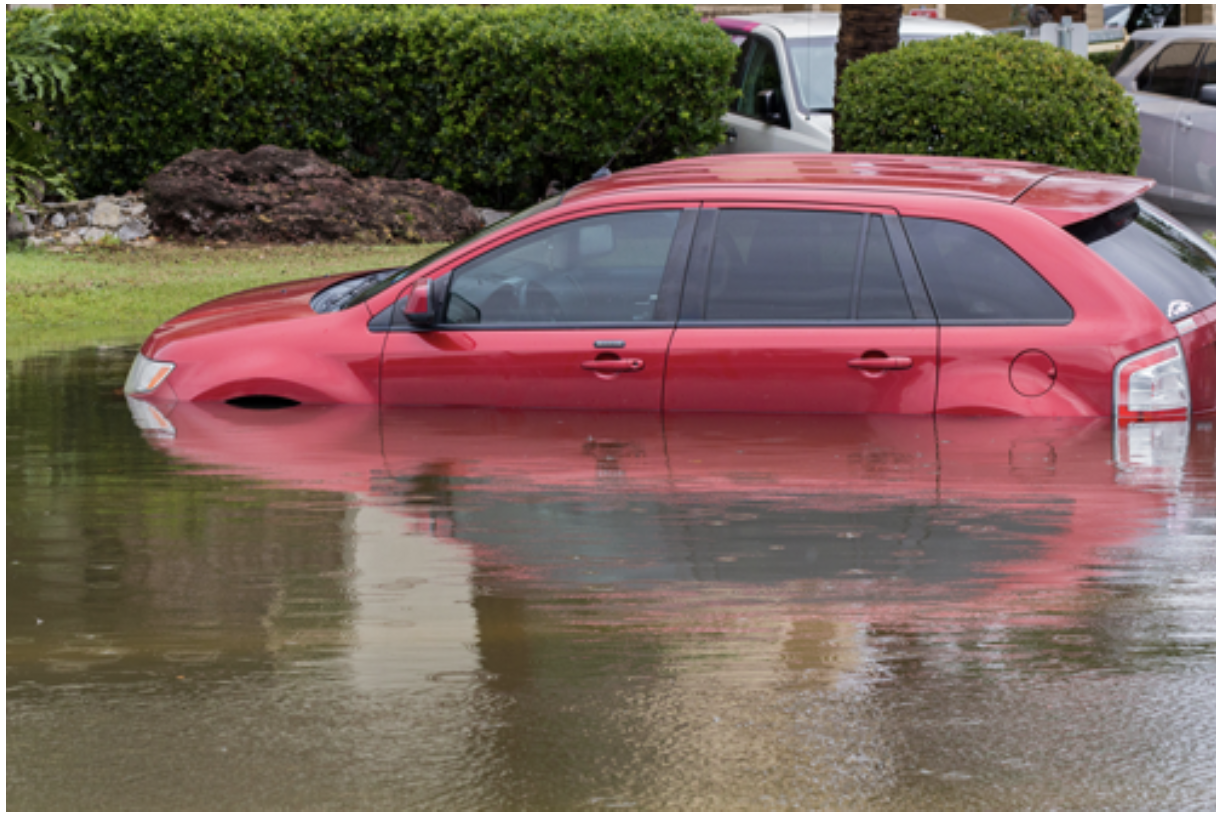
So your car decided to take an unplanned swim, and now you’re staring at what looks like a very expensive boat anchor in your driveway. Before you start planning a funeral for your faithful ride, let’s talk about how this could actually work out in your favor.
The Big Question: Will Insurance Actually Pay Up?
Here’s the good news that’ll make your day: If you’ve got comprehensive coverage, you’re golden. Flood damage is covered, period. Don’t know if you have it? Check your policy’s declaration page – that’s the page that spells out what you’re covered for in plain English.
Can’t find your policy? We’ve all been there. Call your insurance agent or company directly. Still scrambling for contact info? Texas has a help line at 800-252-3439 that’ll connect you with your insurance company faster than you can say “water damage.”
Your Weekend Action Plan: Three Things You Must Do Now
Step One: Become a Photo Journalist Grab your phone and start documenting everything. Take pictures of your car sitting in water, every angle of the damage, and anything else that looks wrong. These photos are your ticket to a smooth claims process. Think of it like evidence – the more you have, the stronger your case.
Step Two: Make The Call That Matters Don’t wait until Monday morning. Call your insurance company today. Most have 24/7 claim hotlines because disasters don’t happen during business hours. They’ll give you a claim number (write it down!) and start the process rolling.
Yes, it might take time for an adjuster to come look at your car. Texas law requires companies to pay claims quickly, but those deadlines can be extended during disasters. The key is getting your claim filed now.
Step Three: Step Away From That Ignition Key This is crucial: Do not try to start your car. We know you’re curious, but starting a flooded car can turn a repair job into a total loss. Let a professional mechanic check it out first.
Will Your Car Survive This Adventure?
Here’s where it gets interesting. Your insurance company will compare your car’s value to the cost of repairs. If repairs cost more than the car’s worth, they’ll declare it totaled – and cut you a check.
There used to be a rule that once water hit the dashboard, your car was done for. But today’s cars are packed with electronics that hate water. Your car could be totaled even if the engine stayed dry, and that might actually be the best outcome for you.
What If Your Car Went on an Unplanned Road Trip?
If your car literally floated away, don’t panic. Contact your local police department’s unclaimed autos section. You’d be surprised how many “missing” cars turn up after floods.
The Money Talk: What If You Owe More Than You’ll Get?
This is where things get real. If you owe $15,000 on your car but insurance only pays $10,000, you’re stuck with that $5,000 difference – unless you have gap insurance. Gap insurance pays that difference, which is why it’s worth having.
No gap insurance? You’re responsible for paying off the remainder of your loan, even though you don’t have a car anymore.
Think Your Car Is Worth More? Fight Back!
Insurance companies make mistakes, and sometimes their offer feels like a slap in the face. The good news? You can negotiate. Come prepared with:
Research what similar cars are selling for in your area. Get quotes from used car dealers – they love talking about car values. Check online prices and local ads for vehicles like yours. Document any special features or custom parts that make your car worth more.
Getting Your Paperwork Sorted
Need a replacement title for your insurance claim? The Texas Department of Motor Vehicles makes this easy. You can apply by mail or show up in person – whatever works for your schedule.
Your Next Move: Take Action This Weekend
Thousands of people deal with flooded cars every year, and the ones who act fast usually come out ahead. Your insurance company wants to help you – really, they do. There are systems in place to protect you, and Texas law is on your side.
The secret is acting quickly, documenting everything, and letting professionals handle the technical stuff. Don’t try to be a hero by fixing it yourself.
Ready to turn this disaster into your comeback story? Start with those photos, make that phone call, and keep your hands off that ignition key. You’ve got this handled, and you might be surprised at how well this works out for you.