

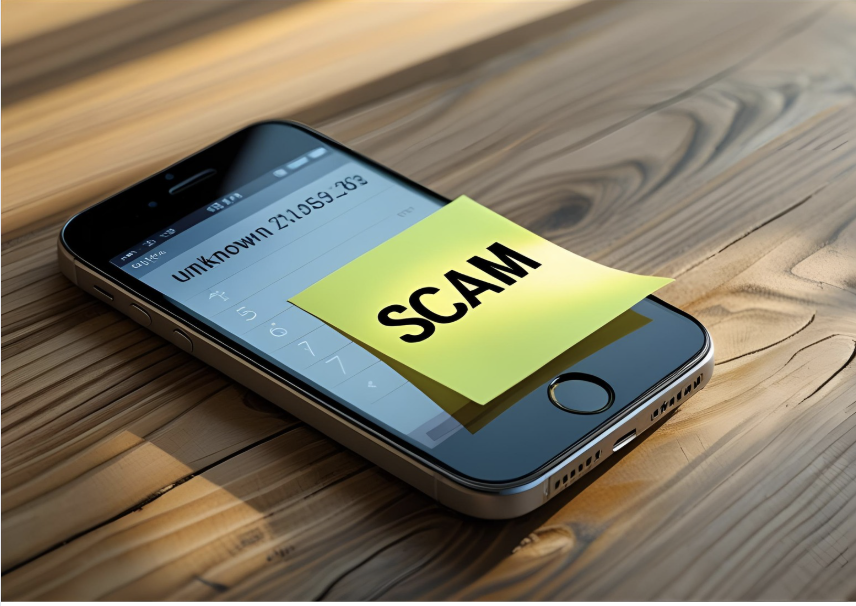
Got a text that made your heart skip a beat? Something about an unpaid traffic ticket or toll violation that’ll get you in serious trouble if you don’t pay RIGHT NOW?
Take a deep breath. It’s fake.
The Scam That’s Got Everyone Talking
Texans are getting bombarded with scary text messages claiming to be from the “Texas Department of Motor Vehicles” or similar official-sounding agencies. These messages are designed to panic you into clicking without thinking.
Here’s what these scammers are saying:
- “Your vehicle registration will be suspended!”
- “You’ll be prosecuted immediately!”
- “Pay this fine NOW or lose your driving privileges!”
- “Click this link to avoid penalties!”
Sound familiar? You’re not alone.
Why This Scam Works So Well
These texts are scary because they hit you where it hurts – your ability to drive, work, and live your life. The scammers know you’ll panic and click first, think later.
They’re counting on you to:
- React emotionally instead of logically
- Not double-check who’s really texting you
- Hand over your personal information to “fix” the problem
- Give them your credit card details to pay the fake fine
Here’s What You Need to Know RIGHT NOW
The Texas Department of Motor Vehicles does NOT:
- Send threatening text messages about violations
- Collect fines for traffic tickets or toll violations
- Demand immediate payment through text links
- Threaten to suspend your registration via text
Translation: If you get a text like this, it’s 100% fake.
What to Do When You Get One of These Texts
Don’t click the link. Seriously, don’t even think about it.
Don’t reply to the text. That just confirms your number is active.
Don’t call any phone numbers in the message. They’re fake too.
DO delete the message immediately.
DO tell your friends and family – especially older relatives who might be more likely to fall for this.
How to Protect Yourself Going Forward
Trust your gut. If a text message makes you panic, that’s exactly what scammers want. Take a step back.
Remember the golden rule: Real government agencies don’t conduct business through random text messages. They send official mail to your registered address.
When in doubt, call directly. If you’re genuinely concerned about a traffic violation, call the actual agency using a number you looked up yourself – not one from the text.
Keep your guard up. These scams are getting more sophisticated. If something seems too urgent or too threatening, it probably is.
Why This Matters for Everyone
This isn’t just about protecting your money (though that’s important). These scammers are getting your personal information to:
- Steal your identity
- Access your bank accounts
- Sell your data to other criminals
- Target you with more scams
One click can turn into months of headaches trying to clean up the mess.
The Bottom Line
Real traffic tickets come in the mail. Real toll violations come in the mail. Real government business happens through official channels – not through texts that make you panic.
The next time your phone buzzes with a “urgent” message about an unpaid fine, remember: the only thing urgent about it is how quickly you should delete it.
Stay smart, stay safe, and keep your finger off that link.