
When disaster strikes, the best of humanity shows up to help – but unfortunately, so do the worst. As Texas families deal with catastrophic flooding, scammers are already circling like vultures, trying to steal money from both victims and people who want to help.
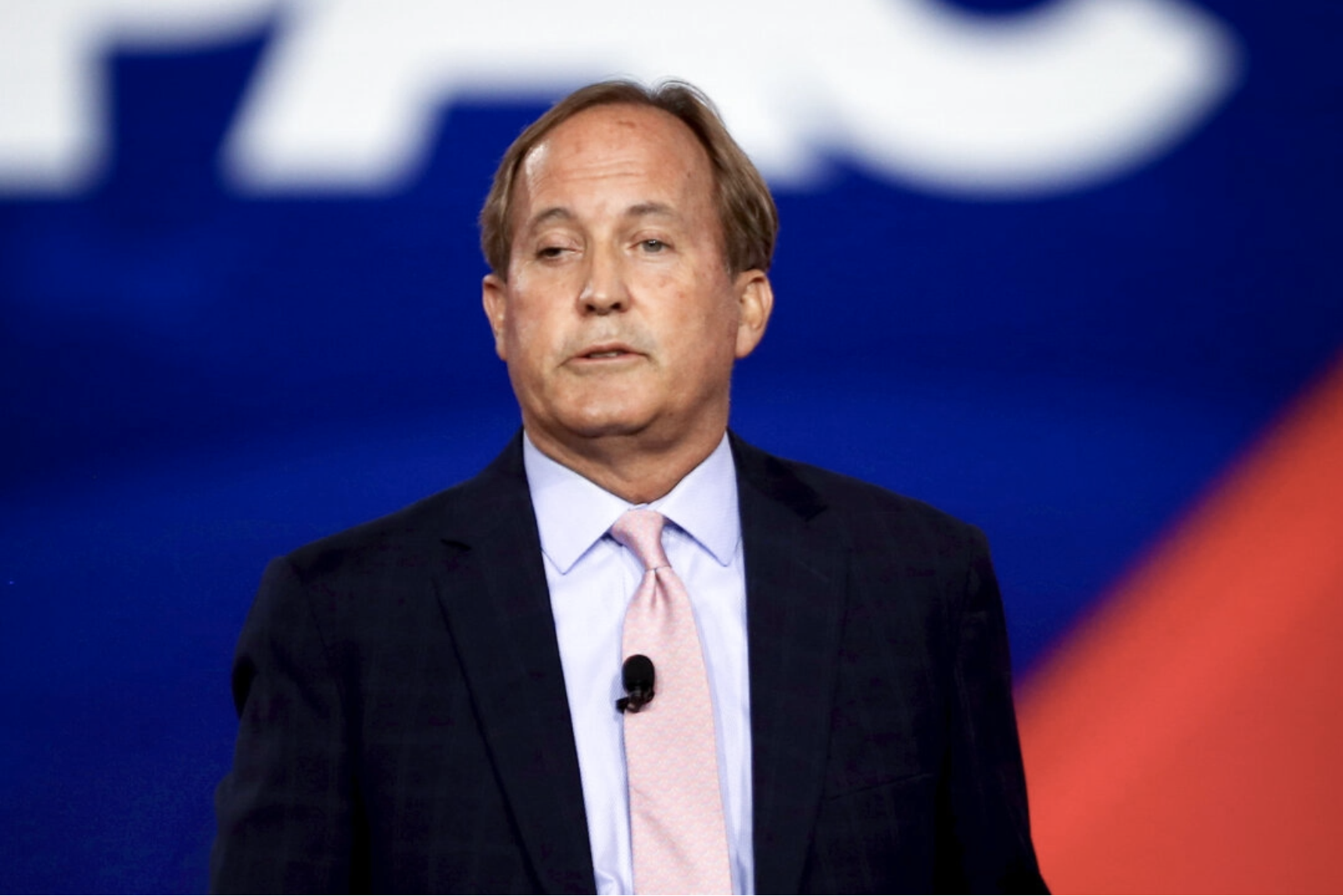
Attorney General Ken Paxton isn’t mincing words: “There are no words for how wrong it is that morally bankrupt people are trying to take advantage of Texans by using this tragedy to scam them.”
Here’s what you need to know to protect yourself, your family, and your wallet.
The Counties Under Attack
Governor Greg Abbott has declared a state of disaster in 21 Texas counties, and scammers are targeting all of them: Bandera, Bexar, Burnet, Caldwell, Coke, Comal, Concho, Gillespie, Guadalupe, Kendall, Kerr, Kimble, Llano, Mason, McCulloch, Menard, Reeves, San Saba, Tom Green, Travis, and Williamson.
If you live in one of these areas, you’re likely to be targeted. Here’s how to stay safe.
Scam #1: Fake Contractors Who Take Your Money and Run
The Setup: A contractor shows up at your door, often from out of state, offering to fix your flood damage. They ask for money upfront and promise to start work immediately.
The Reality: They take your money and disappear, leaving you with more problems than you started with.
How to Protect Yourself:
- Don’t rush into signing anything – legitimate contractors understand you need time to think
- Ask for local references and actually call them
- Check with the Better Business Bureau before hiring anyone
- Be extra suspicious of out-of-area contractors who just happen to be “in the neighborhood”
- Never pay the full amount upfront – legitimate contractors don’t need all the money before they start
Scam #2: Price Gouging on Necessities
The Setup: Sellers jack up prices on water, food, gas, and other essentials during the crisis.
The Reality: This is illegal under Texas law once a disaster declaration is issued.
What to Do: If you see price gouging, report it immediately. You’re not just protecting yourself – you’re protecting your whole community.
Scam #3: Fake Charities Stealing Your Donations
The Setup: Scammers create fake charities with names similar to real ones, then ask for donations via text, phone, or email.
The Reality: Your money goes straight to criminals instead of flood victims.
How to Donate Safely:
- Research before you give – use CharityWatch or GuideStar to check if the charity is legitimate
- Don’t trust caller ID – scammers can fake names and phone numbers
- Never wire money or give out your bank account, credit card, or Social Security numbers
- Be suspicious of text message donation requests – legitimate charities rarely solicit this way
- Donate directly to established, well-known organizations rather than responding to unsolicited requests
Red Flags That Should Make You Hang Up
- High-pressure tactics (“You must decide now!”)
- Requests for cash, wire transfers, or gift cards
- Vague descriptions of how your money will be used
- Emotional manipulation using tragedy photos or stories
- Unsolicited contact via text, phone, or email
- Refusal to provide written information about their organization
Protect Yourself From Unwanted Calls
You can reduce your chances of being targeted by registering your number with:
- Texas Do Not Call Registry: www.TexasNoCall.com or 1-888-309-0600
- National Do Not Call Registry: www.donotcall.gov or 1-888-382-1222
If You’ve Been Scammed
Don’t be embarrassed – report it immediately. You’re not just helping yourself; you’re helping protect others from the same criminals.
Contact the Texas Attorney General’s office:
- Phone: 1-800-621-0508 (toll-free)
- Online: File a complaint at the Attorney General’s website
What to report:
- Contractor scams and shoddy work
- Price gouging on necessities
- Fake charity solicitations
- Any suspicious activity related to flood recovery
The Bottom Line
Scammers count on you being overwhelmed, emotional, and desperate for help. They prey on both your vulnerability and your generosity.
The best defense is to slow down, ask questions, and verify everything before handing over money or personal information. Legitimate contractors and charities will respect your caution – scammers won’t.
Remember: It’s okay to say “Let me think about it” or “I need to check with my family first.” Any pressure to decide immediately is a red flag.
Stay alert, stay protected, and don’t let these criminals add insult to injury during an already difficult time.