
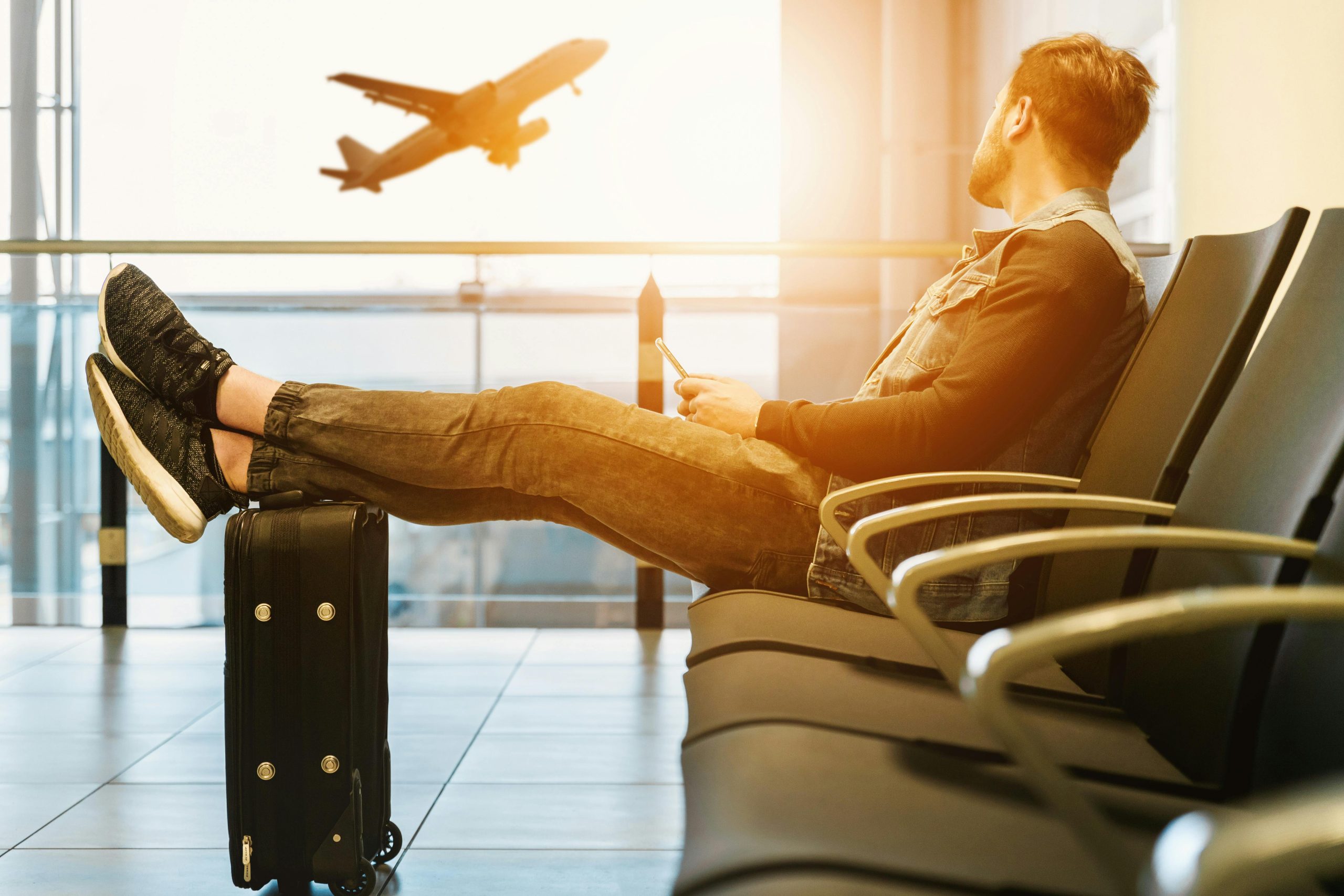
Planning that summer road trip or flying somewhere fun? You’re not alone. July is peak travel season, which means millions of Americans are hitting airports, highways, and hotels right alongside you.
But here’s something most travelers don’t think about: traffickers move their victims during busy travel times too. They blend into crowds at rest stops, airports, hotels, and restaurants, hiding in plain sight while you’re focused on getting to your destination.
The good news? You can help stop them.
What You’re Actually Looking For
Human trafficking isn’t what you see in movies. It’s often more subtle, and victims might not look like you’d expect. The Blue Campaign (that’s the Department of Homeland Security’s anti-trafficking initiative) wants every traveler to know the real signs:
At airports, train stations, or bus stops:
- Someone who seems afraid, disoriented, or not allowed to speak for themselves
- A person who doesn’t have their own ID or tickets
- Someone whose “companion” answers all questions for them
- People who seem malnourished, injured, or showing signs of abuse
At hotels or rest stops:
- Excessive security measures in rooms
- People who rarely leave their room or only leave with escorts
- Someone who seems to have scripted responses to questions
Your Role Is Bigger Than You Think
If you work in travel, hospitality, or tourism, you’re literally on the front lines. Flight attendants, hotel staff, restaurant workers, and even ride-share drivers regularly encounter trafficking situations without realizing it.
The Blue Lightning Initiative already trains aviation personnel to spot trafficking signs and report them to federal law enforcement. But every person who interacts with travelers can make a difference.
Texas Is Taking Action
Speaking of making a difference, a Jacksonville man just got seven life sentences for sex trafficking minors across the Tyler area. Desnique Herndon used social media to lure teenage girls—some as young as 13—with promises of wealth, then exploited them commercially.
He kept running his operation even from jail through co-conspirators. His accomplices got decades in prison too. The case shows how organized these operations are, but also how law enforcement can shut them down when people report suspicious activity.
July 30: World Day Against Trafficking
This year’s theme hits hard: “Human Trafficking Is Organized Crime – End the Exploitation.” It’s a reminder that trafficking isn’t random—it’s a coordinated criminal enterprise that we can disrupt when we work together.
The Blue Campaign is celebrating 15 years of fighting trafficking this month, and they’re sharing 15 actions you can take to help end it. Follow them on social media for daily tips that actually matter.
What You Can Do Right Now
If you see something suspicious:
- Call the National Human Trafficking Hotline: 1-888-373-7888
- Text “HELP” to 233733
- Report online at humantraffickinghotline.org
Before you travel:
- Download the Blue Campaign app for real-time reporting
- Learn the signs so you’ll recognize them
- Talk to your kids about online safety if they’re traveling with you
If you work with travelers:
- Take Blue Campaign’s free training
- Know your company’s reporting procedures
- Trust your instincts—if something feels off, it probably is
The Bottom Line
Your summer vacation doesn’t have to turn into a vigilante mission. But knowing what to look for and how to report it could literally save someone’s life.
Traffickers count on people looking the other way or not wanting to get involved. They count on busy airports and crowded highways where everyone’s focused on their own destination.
Don’t give them what they’re counting on.
This summer, be the traveler who pays attention. Be the person who makes the call. Your vacation plans matter, but someone else’s life might depend on you noticing what others miss.