
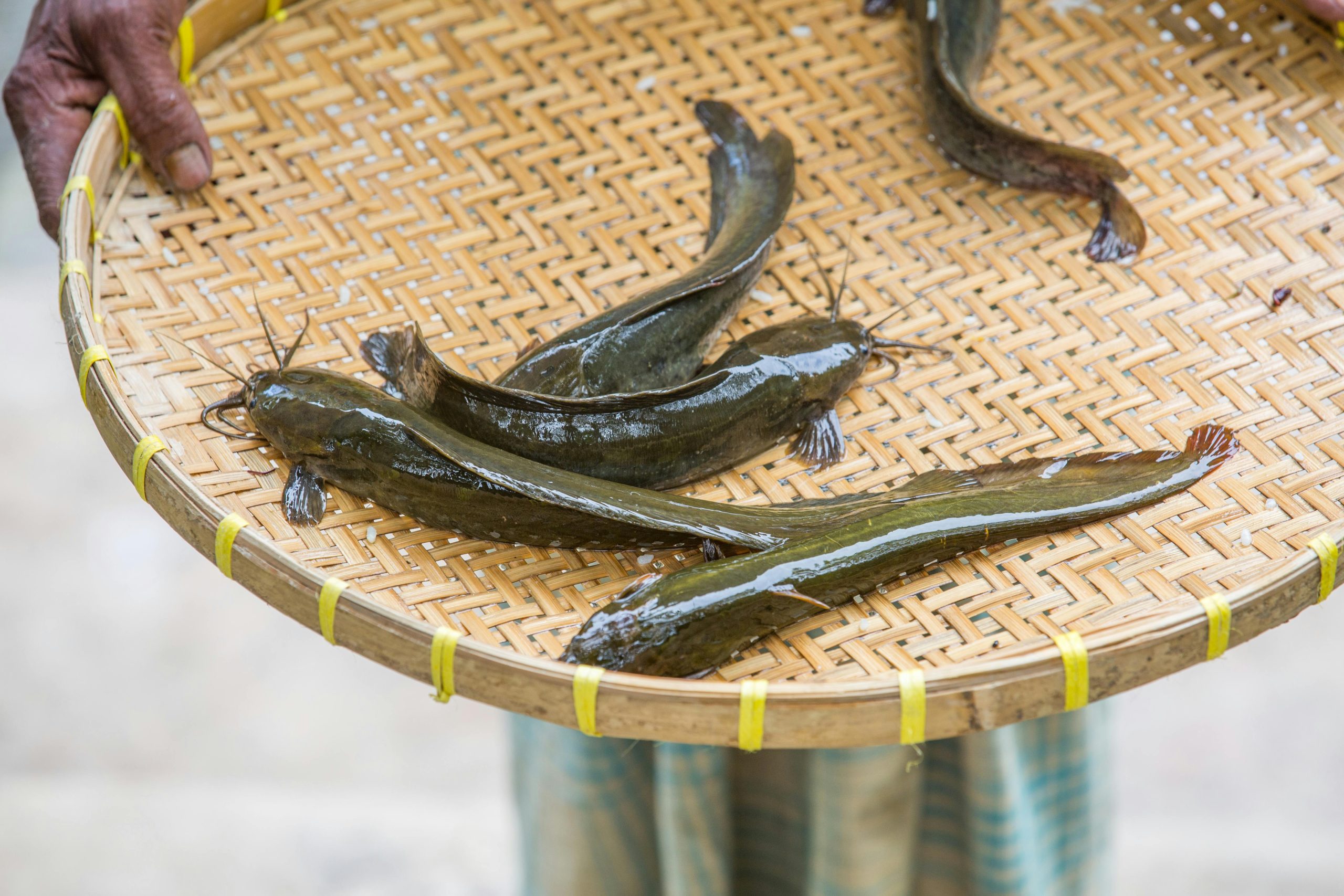
The feds just dropped $8 million to solve a problem you probably didn’t know existed – and it could mean cheaper, more sustainable seafood on your table. The USDA announced yesterday they’re funding processors to turn invasive blue catfish into a mainstream food source, and the ripple effects could reach all the way to Texas grocery stores.
This isn’t just some bureaucratic fish story. It’s about creating jobs, protecting native species, and potentially putting more affordable protein on your plate.
The Problem That’s Actually an Opportunity
Scientists have been seeing “disturbing trends” toward decreased abundance for seven commercial species, including blue crabs and striped bass, since 2012 when blue catfish were beginning to move into the state in the Chesapeake Bay area. They have expanded their range and population so much that they are likely negatively affecting the Bay ecosystem because they eat so many native species, such as striped bass, blue crab, shad, herring, and Atlantic sturgeon.
But here’s the twist: blue catfish are invasive and delicious. Instead of just fighting them, we’re going to eat them.
What This Means for Texas (Even Though We’re Not Maryland)
Texas already has a solid catfish industry – Texas’ 1,500 acres of catfish production, located primarily along the Gulf Coastal Plain and northeastern portion of the state along the Red River, accounted for $22.8 million of those sales. But here’s why this Maryland program matters to you:
More processing means lower prices: When the federal government invests $6 million in processing facilities and another $2 million in purchasing wild-caught catfish, it’s creating a bigger market. More supply typically means better prices for consumers everywhere.
Competition drives innovation: In a little over two decades, the market price of the fish has ranged from 80 cents to $1.20 per pound for Texas catfish. Federal investment in wild-caught processing could pressure farm-raised catfish prices to stay competitive.
Supply chain improvements: The grants fund modern processing facilities and new technologies that could benefit the entire industry, including Texas producers who might adopt similar innovations.
The Bigger Picture for Your Grocery Bill
Other important fisheries include blue crabs, oysters, black drum, red snapper, vermillion snapper, grouper, mullets, and catfish in Texas waters. If invasive catfish processing takes off, it could:
- Ease pressure on other species: Less demand for traditional fish means potentially lower prices for your Gulf Coast favorites
- Create a new affordable protein source: Wild-caught invasive catfish could become the next tilapia – cheap, sustainable, and widely available
- Support regional fishing communities: More processing means more jobs, which strengthens coastal economies
What Invasive Catfish Actually Taste Like
Before you wrinkle your nose, filets of blue catfish make for clean, white meat. They’re not bottom-feeders like their reputation suggests – researchers from Virginia Tech have found the species to be mostly herbivorous and omnivorous, with diets consisting largely of Hydrilla and Asian clams.
Think of it as sustainable seafood with a purpose. You’re literally helping restore marine ecosystems by eating them.
The Timeline and What to Watch For
The USDA program runs through October 2025, with grants ranging from $250,000 to $1 million for processors. The pilot program in Maryland is buying $2 million worth of blue catfish this year alone.
If successful, expect to see:
- New product lines in grocery stores featuring sustainably-caught invasive catfish
- Restaurant adoption as chefs discover this affordable, sustainable option
- Potential expansion to other regions dealing with invasive species
Why This Matters Beyond Your Dinner Plate
Secretary Brooke Rollins put it perfectly: “This is about more than just a funding announcement, it is about being able to feed ourselves and opening new markets for our fishermen and producers to continue their livelihoods.”
This represents a new approach to environmental problems – instead of just spending money to control invasive species, we’re creating economic incentives to harvest them. It’s capitalism meeting conservation, and it could be a model for other environmental challenges.
The Bottom Line for Texas Consumers
While you won’t see Chesapeake Bay blue catfish in Texas H-E-Bs tomorrow, this federal investment could:
- Stabilize seafood prices by creating alternative protein sources
- Improve processing technology that benefits all catfish producers
- Create market competition that keeps local fish prices reasonable
Plus, if the program succeeds, Texas might explore similar approaches with our own invasive species. We’ve got plenty of unwanted fish that could use some market-driven population control.
Pro Tip: Keep an eye on seafood sections for new “sustainably wild-caught” catfish products. Early adopters often get the best prices, and you’ll be supporting both environmental restoration and innovative food solutions.
USDA Meat and Poultry Processing Expansion Program
💰 $6 million in grants available
📅 Applications due October 6, 2025
💻 Apply at Grants.gov
📍 Eligible processors nationwide
Sometimes the best solutions come from thinking differently about problems. Bon appétit, and save the Bay!