
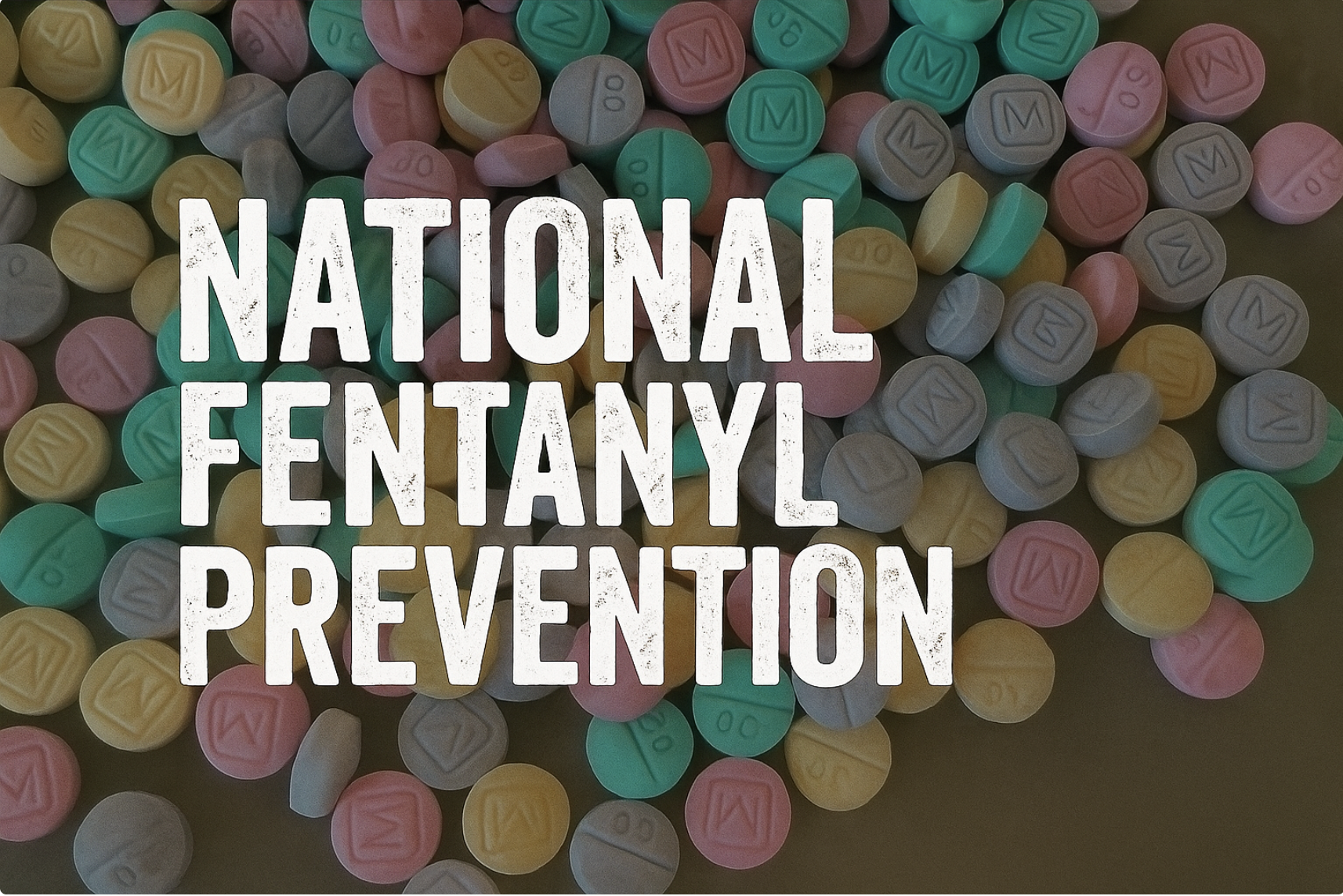
U.S. Customs and Border Protection took its anti-fentanyl message to Times Square today, with Deputy Commissioner John Modlin calling the synthetic opioid “not just a public health threat—it’s a weapon” during National Fentanyl Prevention and Awareness Day.
The annual event, hosted by nonprofit Facing Fentanyl, brought together families who’ve lost loved ones to fentanyl poisoning alongside federal, state, and local law enforcement to shine a spotlight on an epidemic that continues claiming lives across America.
The Scale of the Challenge
CBP’s involvement underscores the massive scope of the fentanyl crisis. The agency’s 65,000 employees work around the clock to intercept the drug, its ingredients, and manufacturing equipment before they reach American communities.
The numbers tell a stark story about fentanyl’s deadly efficiency. Just one kilogram of fentanyl powder—about 2.2 pounds—can produce roughly 80,000 pills. Even the already-processed version is devastating: one kilogram of fentanyl mixed into pills yields over 9,000 doses, and even tiny amounts can be lethal.
CBP first encountered finished fentanyl products around 2013-2014, and the problem has only intensified. The drug’s appeal to traffickers is grimly simple: it’s cheap to make, easy to transport, and demand remains high.
Beyond Border Security
CBP’s strategy has evolved beyond simply catching smugglers at checkpoints. The agency now focuses on dismantling entire criminal networks that manufacture and distribute fentanyl and its components.
This means working with law enforcement agencies both domestically and internationally to investigate the larger organizations behind fentanyl trafficking, not just the individuals caught carrying drugs at the border.
The agency employs multiple detection methods: officer intuition, drug-detecting dogs, advanced scanning technology, artificial intelligence, and intelligence gathering to identify and stop smuggling operations.
A Personal Mission
Deputy Commissioner Modlin’s remarks emphasized the personal stakes for CBP employees, describing them as “fathers and mothers, and sons and daughters” who mourn alongside families affected by fentanyl deaths.
“Any group that tries to poison Americans will face U.S. law enforcement and national security authorities,” Modlin stated, framing the fight against fentanyl as both a public health and national security priority.
The Awareness Campaign’s Purpose
National Fentanyl Prevention and Awareness Day serves multiple purposes: honoring those lost to fentanyl poisoning, educating the public about the drug’s dangers, and highlighting the ongoing efforts to combat its spread.
The Times Square event brings national attention to an issue that affects communities nationwide, regardless of geography or demographics. By placing families at the center of the awareness campaign, organizers emphasize the human cost behind the statistics.
The Continuing Fight
CBP’s participation in the awareness day reflects the agency’s recognition that stopping fentanyl requires sustained, multi-faceted efforts across all operational environments—land, air, and sea.
The agency operates as what officials describe as “America’s frontline,” serving as both the nation’s largest law enforcement organization and the world’s first unified border management agency.
While enforcement efforts continue to intensify, the awareness day also serves as a reminder that the fentanyl crisis demands both law enforcement action and public education about the drug’s dangers.
The Texas Connection
Texas bears a disproportionate burden in the national fentanyl crisis due to its 1,254-mile border with Mexico, where much of the drug enters the United States. The state’s major border crossings in El Paso, Laredo, Brownsville, and other cities serve as primary entry points for fentanyl trafficking networks.
CBP’s enforcement efforts directly impact Texas communities in several ways. The agency operates numerous checkpoints and border crossings throughout the state, employing the detection methods mentioned—drug dogs, scanning technology, and intelligence operations—at locations that process millions of crossings annually.
Texas has seen devastating fentanyl-related death rates. The drug often appears in counterfeit prescription pills that look identical to legitimate medications, making it particularly dangerous for unsuspecting users. Even small amounts of fentanyl can be lethal, and many overdoses occur when people unknowingly consume the synthetic opioid.
The state’s major metropolitan areas—Houston, Dallas, San Antonio, and Austin—have become distribution hubs where fentanyl moves from border entry points to markets across the country. This means CBP’s interdiction efforts at Texas borders have implications far beyond the state’s boundaries.
For Texas families, CBP’s enforcement represents a frontline defense against a drug that has claimed thousands of lives statewide. The agency’s shift toward targeting entire criminal networks rather than just individual smugglers could potentially disrupt the supply chains that feed Texas’s fentanyl problem.
However, the challenge remains immense. Texas’s vast border, combined with legitimate trade and travel volumes, creates numerous opportunities for smuggling operations that law enforcement agencies continue working to address.
Moving Forward
The synthetic opioid epidemic continues to evolve, requiring adaptive responses from law enforcement and public health officials. CBP’s commitment to “protecting American communities and saving lives” extends beyond border security to encompass broader efforts to disrupt the networks that profit from addiction.
For families who’ve lost loved ones to fentanyl poisoning, events like National Fentanyl Prevention and Awareness Day provide both a platform to share their stories and hope that increased awareness will prevent others from experiencing similar losses.
As CBP officials emphasize, the fight against fentanyl remains a daily priority, with agents and officers working continuously to prevent this deadly substance from reaching American communities.
For more information about fentanyl awareness and prevention efforts, visit the DEA’s Fentanyl Awareness resources.