
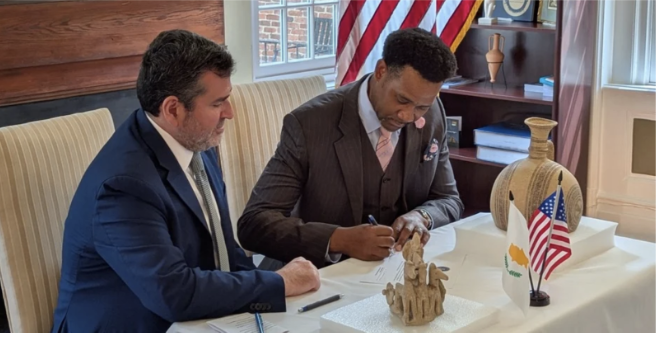
You might think stolen art only happens in movies, but last weekend in Washington D.C., reality proved more compelling than fiction. The FBI, working closely with the Cypriot government, returned two ancient Cypriot artifacts during a repatriation ceremony at the Embassy of Cyprus in Washington, D.C., on August 4, 2025.
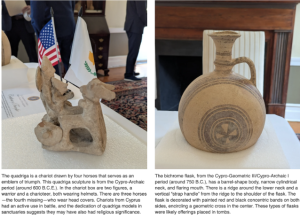
This wasn’t just another diplomatic handshake. These treasures include a Cypro-Archaic four-horse chariot model dating back to 600 B.C. and a Cypro-Geometric/Archaic jug from 750 B.C. – artifacts that witnessed the rise and fall of ancient civilizations before finding themselves trapped in the modern art market.
How Ancient Art Ends Up in New York Galleries
The journey of these artifacts tells a fascinating story about how cultural treasures get separated from their homelands. The FBI worked closely with the Cypriot government and the Department of Justice Office of International Affairs, as well as cooperation from an art gallery in New York to make this homecoming possible.
The artifacts were returned by the Art of Eternity Gallery in New York to be repatriated to the island, showing how legitimate art dealers can work with law enforcement to right historical wrongs. This cooperation demonstrates that not all artifact recoveries involve dramatic raids – sometimes it’s about building trust and doing the right thing.
Why This Matters to You
These aren’t just old pots and trinkets gathering dust in a museum basement. That 2,600-year-old chariot model represents the artistic achievements of ancient Cyprus, when skilled craftsmen created miniature masterpieces that survived everything from Persian invasions to Ottoman rule to British colonialism.
The flask from 750 B.C. was created during Cyprus’s Geometric period, when the island served as a crucial crossroads between Greek, Phoenician, and Near Eastern cultures. These pieces carry DNA of civilizations that shaped our modern world.
The FBI’s Art Crime Team in Action
Most people don’t realize the FBI has specialists dedicated entirely to tracking down stolen cultural treasures. U.S. officials from the FBI’s International Operations Division worked on this case, showing how seriously America takes international cultural heritage protection.
This Cyprus repatriation represents just one success in a much larger mission. The FBI Art Crime Team has returned thousands of artifacts to countries worldwide, from Haiti to Ukraine to Italy. Each return helps heal wounds left by cultural theft and illegal trafficking.
A Ceremony Full of Meaning
The embassy called it a “solemn ceremony” and a “modest ceremony” – understated language that belies the profound significance of the moment. Representatives from the FBI International Operations Division, the Justice Department Office of International Affairs and the State Department Bureau of European affairs attended, making this a true multi-agency success story.
For Cyprus, this return means more than recovering old objects. It’s about reclaiming pieces of national identity that were separated from their cultural context, possibly for decades.
The Bigger Picture
This repatriation highlights how the international art market is slowly changing. Galleries, auction houses, and collectors are becoming more careful about provenance – the documented history of where artifacts come from and how they changed hands.
Museums worldwide are also reassessing their collections, with many voluntarily returning items that lack clear legal acquisition histories. It’s creating a more ethical art world where cultural heritage takes precedence over profit.
What Happens Next
These artifacts will likely end up in Cypriot museums, where they belong – accessible to researchers, students, and visitors who want to understand ancient Mediterranean civilizations. Instead of being private possessions viewed by a few, they’ll educate and inspire thousands.
The Cyprus repatriation also strengthens diplomatic relationships between the U.S. and Cyprus, showing how cultural cooperation can build bridges between nations. When America helps return stolen heritage, it demonstrates respect for other cultures and international law.
Your Role in Protecting Cultural Heritage
While most of us won’t encounter stolen ancient artifacts, we can all support ethical collecting and museum practices. When you visit museums, ask about provenance. When you see artifacts for sale online, be skeptical of items without clear legal histories.
Cultural heritage belongs to all humanity, not just wealthy collectors. Every successful repatriation like this one in Washington D.C. helps ensure future generations can experience these irreplaceable connections to our shared past.
The next time you see a 2,700-year-old artifact in a museum, remember – it might have taken FBI agents, diplomats, and ethical art dealers working together to bring it home.