


Here’s what happened: A routine traffic stop at the Gateway International Bridge turned into a significant seizure when CBP officers found nearly $71,000 in unreported cash heading south into Mexico. But here’s what you need to know if you’re planning to cross the border—and why this matters way more than just one seizure.
What Actually Went Down
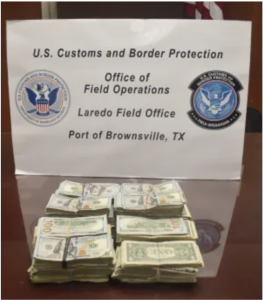
On Saturday, November 22, CBP officers working at the Gateway International Bridge selected a 2026 Kia vehicle traveling southbound for a routine outbound inspection. During secondary inspection, with the aid of nonintrusive inspection technology, CBP officers discovered unreported bulk U.S. currency totaling approximately $71,000 within the vehicle.
CBP officers seized both the vehicle and the currency. Homeland Security Investigations special agents are investigating the seizure.
The Important Legal Part—Pay Attention to This
Here’s where most people get confused: It is not a crime to carry more than $10,000. But it IS a federal offense not to declare currency or monetary instruments totaling $10,000 or more to a CBP officer upon entry or exit from the U.S. or to conceal it with intent to evade reporting requirements.
That’s the key. You can take as much money as you want across the border. You just have to tell them about it. That’s it.
Why People Actually Do This
This isn’t random. People smuggle unreported currency for specific reasons, and none of them are good.
Drug Money and Crime Criminals smuggle between $18 billion to $39 billion a year in bulk cash across the southwest border. Why? Because bank transactions are tracked and documented. When you move currency across borders secretly, it’s harder to trace where it came from. Drug trafficking organizations, human traffickers, and other criminal enterprises use bulk cash smuggling to move their illegal proceeds and avoid getting caught.
The gap between legitimate money transfers like worker remittances and what’s actually reported is between $11 billion and $22 billion. Most of that gap? Criminal activity connected to drug trafficking and alien smuggling.
Money Laundering In recent years, smuggling bulk currency has become the preferred method for drug trafficking organizations and other criminal enterprises to move illicit proceeds across borders. They do this instead of using the legitimate banking system because banks keep records. Criminals need secrecy.
Personal Greed Sometimes people smuggle unreported currency that they lawfully earned—they’re just hiding it from family members, business partners, or the government to avoid taxes. Greed causes people to take risks they shouldn’t.
Why This Is Dangerous—Beyond Just Getting Caught
It Fuels Crime Bulk cash smuggling doesn’t happen in a vacuum. The proceeds from illicit activities get laundered through cash smuggling, perpetuating criminal enterprises and endangering vulnerable populations worldwide. Bulk cash smuggling is closely intertwined with the drug trade, human trafficking, and organized crime. When you smuggle unreported cash, you’re funding the worst criminal organizations in the world.
It Damages the Economy Bulk cash smuggling damages the entire U.S. economy by removing billions of dollars from legitimate commerce. Those dollars could be used to purchase goods, pay taxes, or invest in lawful enterprises. Instead, they fuel an unregulated, underground market for illicit goods and services. It diminishes the integrity of our entire financial system.
What Happens If You Get Caught
Failure to declare currency may result in seizure of the currency and/or arrest. You could lose everything.
Criminal penalties can include up to five years in prison and the complete forfeiture of the smuggled funds. Civil sanctions can lead to forfeiture of between 50 and 100% of the seized amount, even if there’s no criminal conviction.
An individual may petition for the return of currency seized by CBP officers, but the petitioner must prove that the source and intended use of the currency was legitimate. That’s your burden. You have to prove it was legal money for a legal reason.
The Real Numbers
This isn’t one isolated case. CBP officers’ duties not only involve inspecting inbound traffic but also stopping unreported bulk currency, which are often proceeds from illicit activity. Port Director Tater Ortiz noted that these seizures help stop illegal activity at the border.
In fiscal year 2013 alone, ICE HSI special agents arrested over 520 individuals attempting to smuggle currency and seized more than $59 million in bulk currency. Since then, the numbers have only grown.
The Bottom Line
If you’re crossing the border with more than $10,000, declare it. Say it out loud. Write it down. Whatever the form requires. That one step saves you the headache of having your money seized and having to go through federal processes to get it back.
But more importantly, understand what you’re part of when you don’t declare. Unreported currency fuels drug cartels, human trafficking, and organized crime. Every dollar that crosses that border unreported is connected to someone’s suffering.
The officers at Brownsville aren’t out to get you. They’re doing their job—stopping the money that fuels criminal enterprises. If you’ve got legitimate cash, tell them. That’s the whole game.