
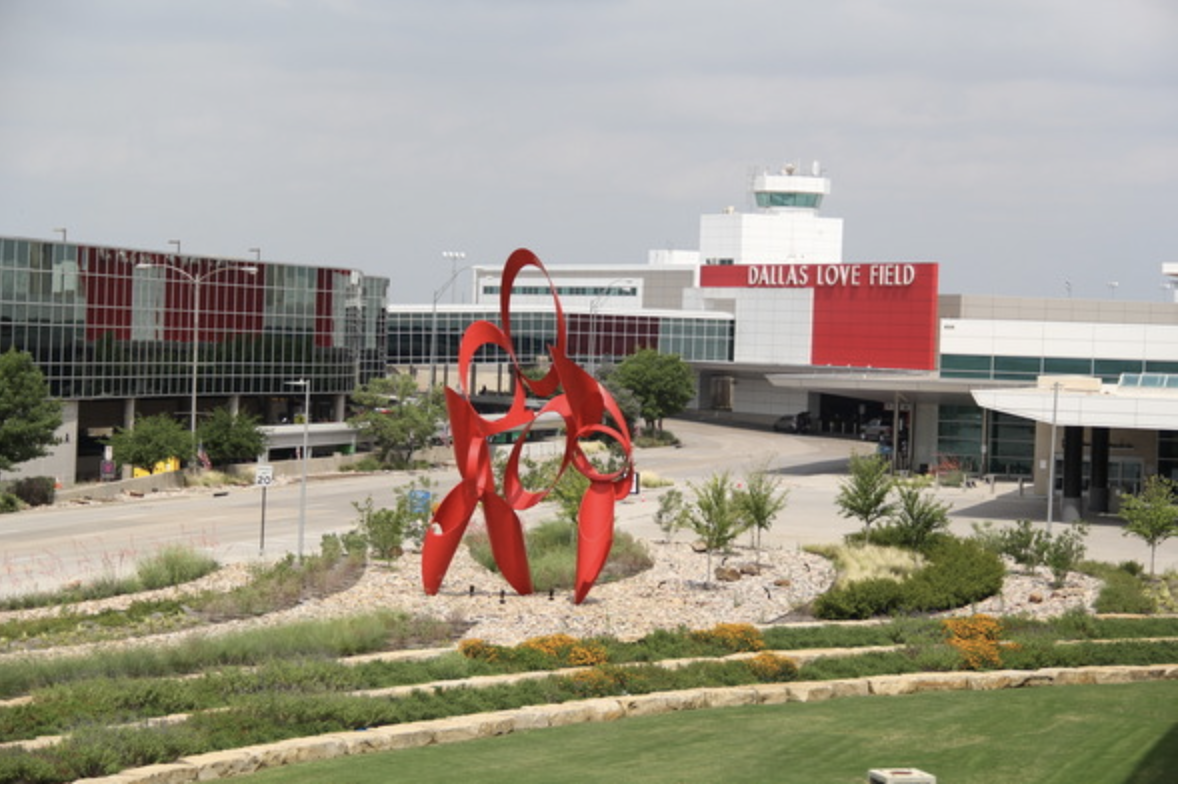
DALLAS: Dallas Love Field has become the third airport in the United States and the second in Texas to reach Level 4+ in the Airport Carbon Accreditation program, according to a release from the airport.
Level 4+ is the program’s top tier below Level 5. To earn it, the airport met all Level 4 requirements and offset its remaining Scope 1 and 2 emissions with internationally recognized carbon credits. Scope 1 and 2 cover emissions from the airport’s own operations and the electricity it buys. In 2026, the airport bought 3,383 metric tons of credits from Verified Carbon Standard projects to account for its 2025 emissions and staff business travel, the release says.
The airport reports a 24% cut in location-based emissions since its 2015 baseline. Location-based emissions measure what the airport’s operations actually release. It also reports a 100% reduction in market-based emissions, which count the renewable energy and offsets it buys. Aviation Director Patrick Carreno called the milestone exceptional and said he is proud of the team’s work. Environmental Supervisor Rachel Simpson said it reflects the department’s commitment to carbon management and a smaller environmental footprint.
Love Field first earned accreditation in 2017 and has moved up the program’s levels since. In 2025, it published a Sustainability Master Plan with six focus areas: air quality and climate, energy, materials, water, ecosystems, and future development. The airport says it has a pathway to net-zero emissions by 2040.
What it means for Dallas
The city-owned airport can now point to a third-party credential for its carbon work as it starts its largest construction effort. The Love Field Airport Expansion Program, a $2.5 billion overhaul, is expected to finish in 2032. City officials say it could raise annual passengers from about 18 million to as many as 24 million without adding gates. The airport says its sustainability plan is helping guide that planning.
The release doesn’t say what the credits cost. The accreditation also doesn’t mean the airport’s emissions are zero. The 24% operational cut is the figure that reflects actual emissions, and the 100% figure reflects the purchases that cover the rest. Whether emissions keep falling as passenger numbers grow is the test of the 2040 goal.
What it means for Texas
Earlier reporting put Dallas Fort Worth International Airport at Level 4+, so both Texas airports at that level are in North Texas. The program is voluntary and run by the airport industry, not by the state. Texas generates more wind power than any other state, which fits an airport energy strategy built on wind-based certificates, though the release doesn’t say where Love Field’s certificates originate.
What it doesn’t cover
The program counts emissions from airport operations, not from the aircraft that use the airport, which are many times larger. Carbon offsets also remain debated. Critics, including United Airlines CEO Scott Kirby and the authors of a widely reported 2023 investigation into forest credits, question whether offsets deliver real reductions. Supporters say verified, high-quality credits are a useful tool while deeper cuts take shape. The release doesn’t identify which projects Love Field’s credits came from.
Dallas Love Field sits within seven miles of downtown Dallas and serves almost 18 million passengers a year. The airport says it has contributed more than $7.5 billion in economic activity and supported more than 49,000 local jobs. More information is at dallas-lovefield.com.