

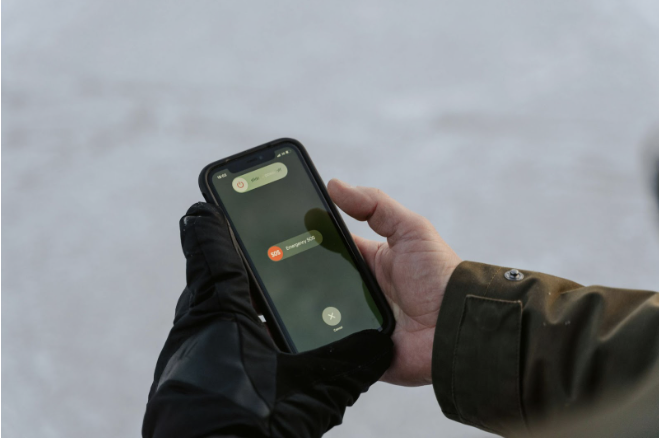
Your phone is going to buzz with an emergency alert on Friday, September 5 at 11 AM, but don’t worry—it’s just a test. The City of Houston Office of Emergency Management is conducting a city-wide test of the Wireless Emergency Alert system to make sure it works properly when a real emergency strikes.
If you’re anywhere in Houston between 11 AM and 11:15 AM that day, your WEA-capable phone will receive a test message letting you know no action is required. The system will also send alerts in Spanish for phones set to that language.
What You’ll See on Your Phone
The English message will read: “TEST Wireless Emergency Alert from the City of Houston Office of Emergency Management: No Action Required. TEST ALERT. For more information visit HoustonOEM.org/respond/.”
Spanish speakers will receive: “PRUEBA de Alerta Inalámbrica de Emergencia de la Oficina de Manejo de Emergencias de Houston: No se requiere acción. ALERTA DE PRUEBA. Para más información, visite HoustonOEM.org/respond/.”
You’ll only get one alert based on your phone’s language setting. Older phones might receive a shorter version of the message.
Why Houston Tests These Systems
Testing emergency alert systems isn’t just bureaucratic box-checking—it’s about saving lives. When severe weather hits, chemical incidents occur, or active threats emerge, every second counts. The ability to instantly reach everyone in a specific area can mean the difference between people getting to safety and people getting caught in danger.
Houston’s Wireless Emergency Alert system lets emergency management send geographically targeted messages to mobile devices when immediate life-saving action is required. These alerts are reserved for the most critical emergencies, which means they’re rare but crucial.
Houston’s Smart Alert Strategy
The city uses a three-tier approach to keep residents informed:
Wireless Emergency Alerts go out only for life-threatening emergencies requiring immediate action. These come through the federal system and reach all compatible phones in the affected area automatically.
AlertHouston handles less urgent but important situations like flash flood watches, road closures, or severe weather awareness. This is a free opt-in service where you choose how to receive notifications—text, email, or voice messages. Sign up at HoustonOEM.org or text “AlertHouston” to 888777.
Everyday preparedness information comes through social media, community events, and education campaigns during calm periods to help residents prepare before emergencies strike.
Make Sure You’re Ready
The test only works if your phone is set up to receive emergency alerts. Now’s a good time to check your settings:
iPhone users: Go to Settings > Notifications, scroll to Government Alerts at the bottom, and make sure Emergency Alerts are turned ON.
Android users: Go to Settings > Safety & Emergency > Wireless Emergency Alerts, and ensure Allow Alerts is enabled.
Who Gets the Alert
Anyone with a WEA-capable phone in Houston city limits during the test window will receive the alert. Since the system works through cell tower coverage rather than precise boundary lines, some neighboring areas might also get the message.
The important thing is that your phone is ready to receive real emergency alerts when they matter most. This test helps ensure the system reaches as many people as possible and functions properly under real conditions.
Beyond the Test
Houston’s Office of Emergency Management coordinates disaster response for the nation’s fourth-largest city. They work with city agencies and serve as the link to regional, state, and federal emergency resources during crises.
Their job extends beyond just sending alerts—they’re constantly working on emergency preparedness through community education and initiatives designed to help Houston residents stay safe and informed.
For ongoing emergency preparedness information, visit HoustonOEM.org or follow them on social media at HoustonOEM on Twitter/X, /HoustonOEM on Facebook, or Houston_OEM on Instagram.
The Bottom Line
When that test alert comes through on September 5, take it as a reminder that Houston is working to keep you safe. The few seconds of buzzing and beeping represent a system designed to potentially save your life during real emergencies.
Make sure your emergency alert settings are enabled, consider signing up for AlertHouston for non-critical updates, and remember that when these systems send real alerts, they’re asking you to take immediate action to protect yourself and your family.
It’s a small interruption that represents a big commitment to public safety.