
Pack your lawn chairs and cancel those Netflix plans—Mother Nature’s about to put on the most spectacular free light show of the year, and you’ve got front-row seats right here in North Texas!
This Monday Night Could Change Everything (July 29-30)
Hold onto your cowboy hats, Dallas! This Monday night into Tuesday morning, you’re getting something astronomy nerds dream about: two meteor showers peaking at the exact same time. We’re talking about a celestial double-header that happens maybe once every few years.
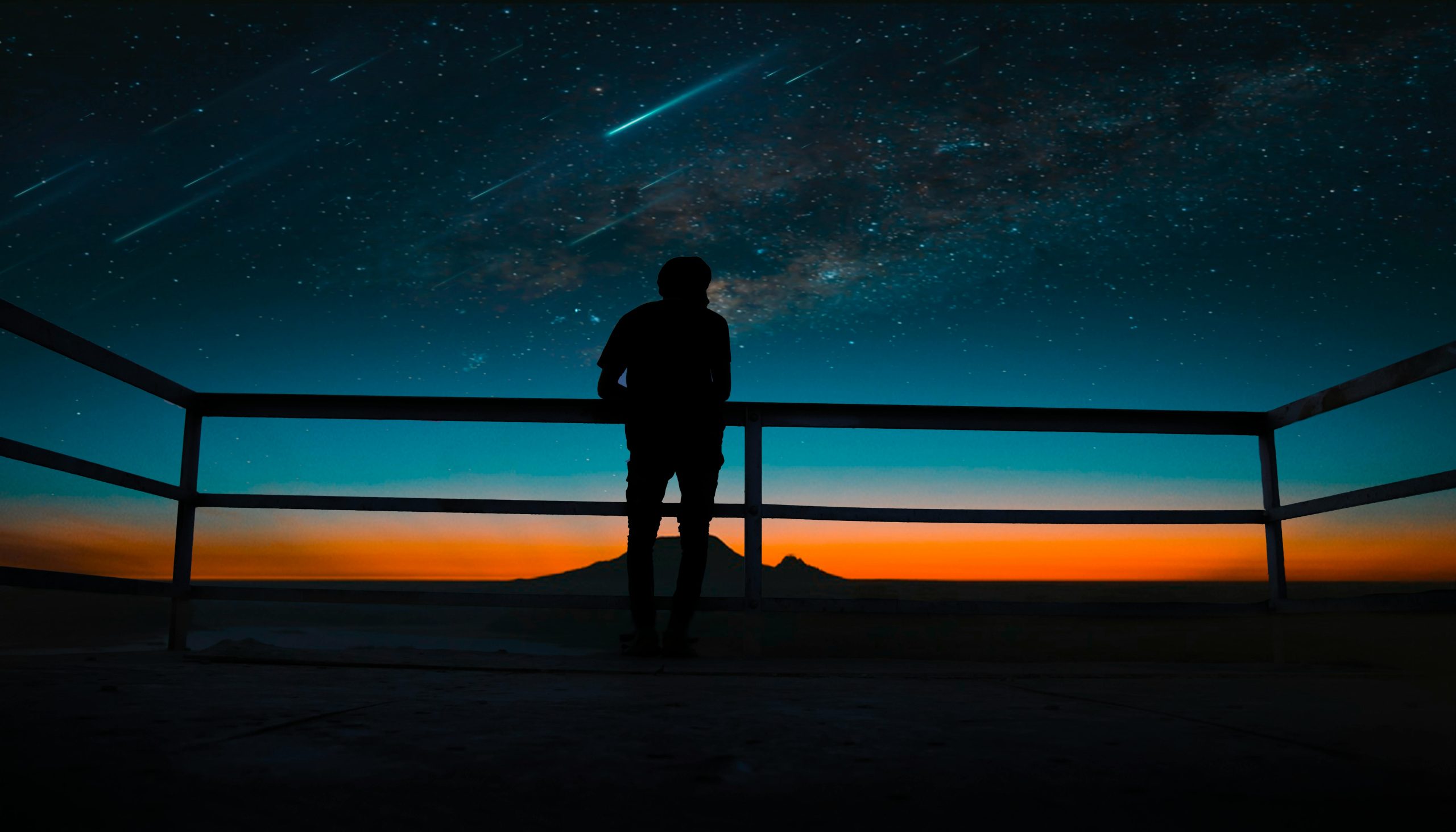
The Southern Delta Aquariids will be firing off 15-20 meteors every hour, while the Alpha Capricornids add their own fireworks—fewer meteors, but when they show up, they’re absolute showstoppers. Think bright, slow-moving fireballs that’ll make you grab your friend’s arm and go “Did you SEE that?!”
The best part? The moon’s only about 27% lit up, so it won’t wash out the show. You’ll want to head outside around midnight, find a spot facing south or southeast, and just lie back and watch the sky explode with shooting stars until dawn.
August’s Main Event: The Perseids (August 12-13)
Now here’s where it gets tricky. The Perseids are usually the rock stars of the meteor world—we’re talking 50 to 75 meteors per hour on a good night. But this year, there’s a party crasher: an almost-full moon that’s going to light up the sky like a cosmic streetlamp.
Don’t let that stop you, though! The brightest Perseids will still punch through that moonlight, and trust me, when you see one of those blazing streaks tear across the sky, you’ll forget all about the moon.
Pro tip from your friendly neighborhood sky-watcher: Try catching the Perseids a few days before the peak, around July 29-31, when the moon’s not as bright. You might actually see more meteors then!
Where to Go: Escape Those City Lights
Look, we love Dallas, but those city lights are not doing us any favors for stargazing. Here’s where you want to head:
Your best bet nearby: Lakewood Village near Frisco. This place is officially certified as an International Dark Sky Community, which is basically the astronomy equivalent of a five-star restaurant rating. It’s perfect for meteor watching.
Feeling adventurous? Pack the car and head to Big Bend National Park or find some rural spot in Central or East Texas. The darker the sky, the more meteors you’ll see—it’s that simple.
Your Game Plan: What You Actually Need to Do
Forget everything you think you know about stargazing. You don’t need a telescope, you don’t need special apps, you don’t need to know constellation names. Here’s literally all you need:
- A lawn chair or blanket (trust me, your neck will thank you)
- Comfortable clothes (it gets chilly before dawn, even in summer)
- Maybe some snacks and water
- About 20-30 minutes for your eyes to adjust to the dark
- Patience (the best meteors always come when you’re not expecting them)
Most important rule: Put your phone away! That screen light ruins your night vision faster than you can say “shooting star.”
Why This Summer Is Special
Here’s what’s got astronomy folks buzzing: getting the Southern Delta Aquariids and Alpha Capricornids peaking together is like winning the cosmic lottery. Some meteor enthusiasts wait years to see this kind of double feature.
Plus, you’re looking at natural fireworks that don’t require a ticket, don’t have a dress code, and definitely won’t leave you stuck in traffic afterward. Just you, the biggest sky in Texas, and streaks of light moving at 25,000 miles per hour.
Your Summer Meteor Calendar
July 29-30 (THIS MONDAY!): The double meteor peak night
- Best viewing: 1-4 AM, facing south/southeast
- What to expect: 20-25 meteors per hour total
- Moon: Just a crescent, perfect for viewing
August 12-13: Perseid peak
- Best viewing: 3-4 AM
- What to expect: Fewer visible meteors due to bright moon, but the ones you see will be spectacular
- Moon: Nearly full (party crasher alert!)
Make It Happen This Weekend
Look, here’s the thing: how many times do you get the chance to see something that people have been watching and wondering about for thousands of years? This isn’t some once-in-a-lifetime comet—these showers happen every year, but this summer’s setup is particularly sweet.
So grab your favorite person, pack some snacks, drive away from those city lights, and give yourself the gift of feeling absolutely tiny under the biggest sky you’ve ever seen. When was the last time you did something that made you feel like a kid again?
The meteors are coming whether you’re watching or not. The question is: are you going to be one of the lucky ones lying on a blanket at 2 AM, watching the universe put on a show just for you?
Bottom line: Clear your calendar for July 29-30. Find a dark spot. Look up. Thank me later.