
SAN ANTONIO, Texas—While many Texans associate Texas Folklife with cultural festivals and public celebrations, the nonprofit organization’s work extends far beyond a single event.
For more than five decades, Texas Folklife has been dedicated to preserving and promoting the diverse cultural traditions that make Texas unique. Through educational programs, oral history projects, community partnerships, and cultural documentation, the organization seeks to ensure that traditional arts, crafts, music, and stories are passed on to future generations.
At a time when rapid technological change and population growth are transforming communities across the state, Texas Folklife’s mission has taken on renewed significance.
“Our goal is to help Texans understand and appreciate the cultural traditions that have shaped their communities,” the organization states. “These traditions are valuable expressions of identity, history, and shared experience.”
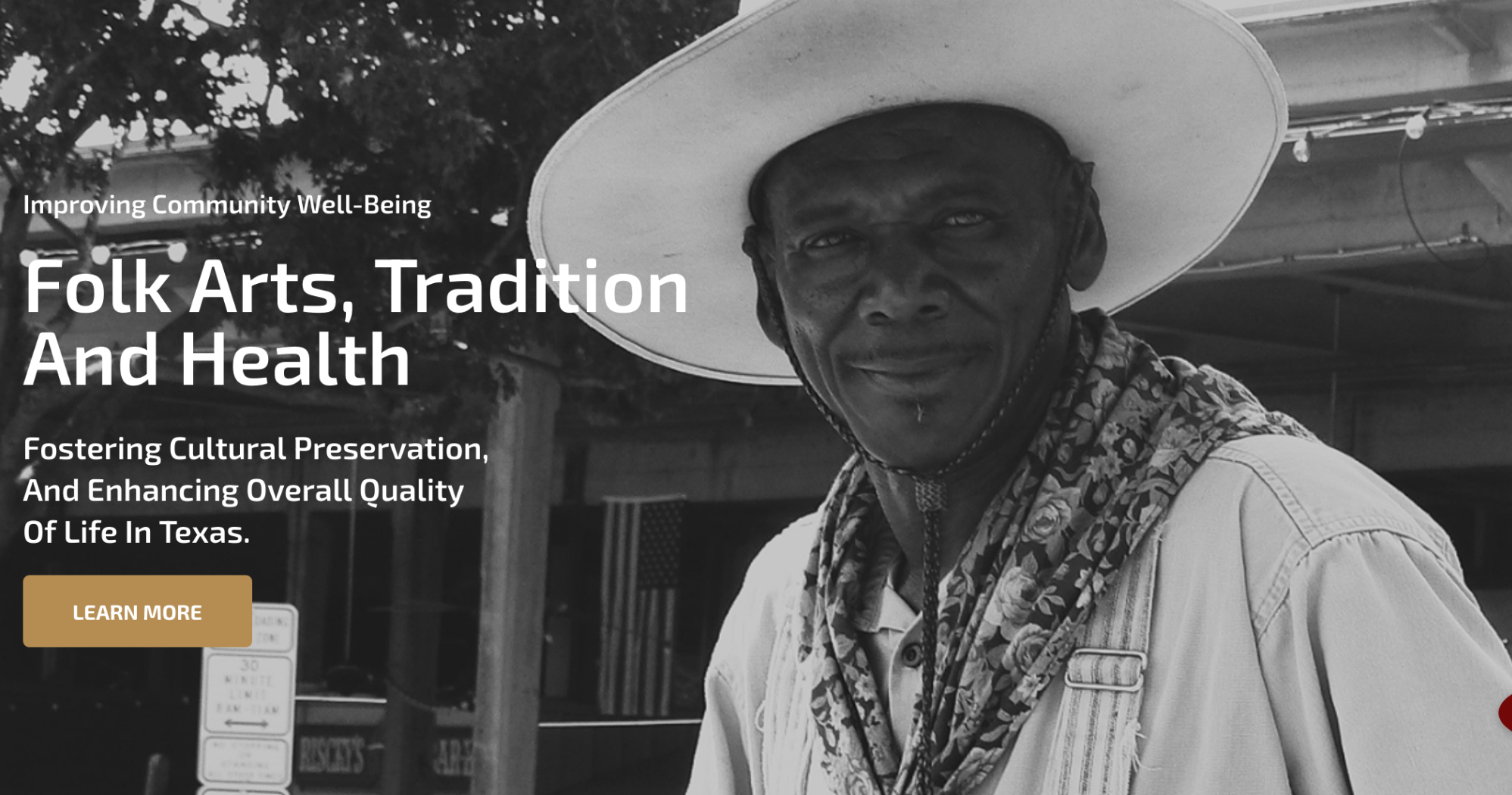
Founded in 1984, Texas Folklife works with communities throughout the state to identify and support tradition bearers—individuals who possess skills, knowledge, and cultural practices passed down through generations.
These may include musicians who perform traditional folk music, artisans who practice heritage crafts, ranching families preserving cowboy traditions, immigrant communities maintaining cultural customs, or storytellers who carry local histories and legends.
Rather than preserving culture behind glass cases in museums, the organization focuses on keeping traditions alive through active participation and intergenerational learning.
One of its key initiatives is documenting cultural practices through interviews, recordings, and archival projects. These efforts help preserve knowledge that might otherwise be lost as older generations pass away.
The organization also develops educational programs that connect students with traditional artists and cultural practitioners. Through workshops and demonstrations, young people gain firsthand exposure to skills and customs that have helped define Texas communities for generations.
Texas Folklife’s work reflects the state’s remarkable cultural diversity. The organization highlights traditions from Native American tribes, Hispanic communities, African American communities, European immigrant groups, Asian American communities, and many others whose histories have contributed to the Texas story.
Supporters say the organization’s efforts are particularly important in an era of increasing globalization.
As communities become more interconnected, local traditions can sometimes fade or be overshadowed by broader cultural trends. Organizations like Texas Folklife provide a counterbalance by encouraging people to value and preserve the customs, languages, music, and crafts that connect them to their roots.
The organization’s work also demonstrates that cultural preservation is not merely about protecting the past. It is about ensuring that future generations understand where they came from and how their communities were shaped.
Many of the traditions Texas Folklife promotes continue to evolve as they are passed from one generation to the next. The organization views this process as a sign of cultural vitality rather than decline.
For Texas Folklife, preserving heritage means creating opportunities for traditions to remain relevant and meaningful in modern life.
As Texas continues to grow and attract new residents from around the world, the nonprofit’s mission remains straightforward: to celebrate the people, stories, and traditions that make the state distinctive—and to ensure those traditions continue to thrive for generations to come.
Those interested in learning more about Texas Folklife’s programs, cultural preservation initiatives, and community partnerships can visit Texas Folklife. The organization regularly hosts educational programs, artist residencies, and cultural documentation projects that help preserve Texas traditions and share them with future generations