
Agriculture Secretary Brooke Rollins isn’t playing games with American energy independence, and her latest move just put Texas squarely in the spotlight. The former Texan’s new memorandum prioritizing land use efficiency for energy projects on federal forests? It’s going to shake up how business gets done on nearly three-quarters of a million acres of Texas public land.
“America has the resources and ingenuity to power our future without depending on foreign adversaries. For too long, misguided federal subsidies and policies have pushed unreliable energy projects that waste taxpayer dollars. Those days are over,” Rollins declared this week, taking direct aim at foreign-made solar panels and what she calls “inefficient energy projects.”
The Texas Angle Everyone’s Missing
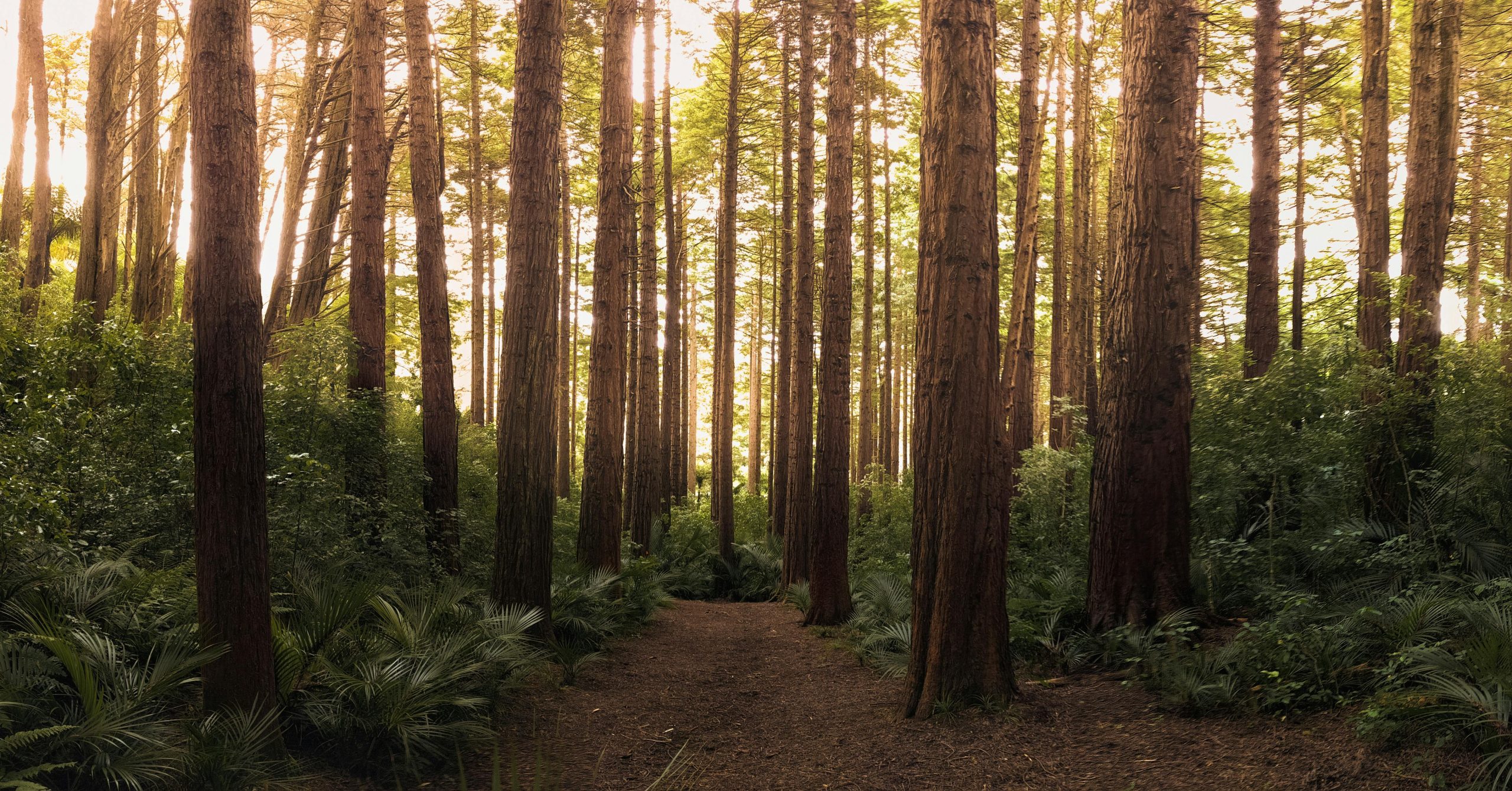
While national media focuses on the broader policy implications, here’s what matters to Texas: this immediately affects our four National Forests (Angelina, Davy Crockett, Sabine, Sam Houston) and the Caddo-Lyndon B. Johnson National Grasslands. That’s serious acreage we’re talking about – including prime forest land around Toledo Bend and Sam Rayburn Reservoirs.
The new rules are simple but revolutionary: energy projects must prove they produce maximum power per acre to get federal approval. No more sprawling, inefficient installations that eat up public land for minimal energy output.
Why This Is Smart Politics AND Smart Policy
Rollins is threading the needle perfectly here. She’s delivering red-meat rhetoric about American energy independence while implementing a policy that actually makes environmental sense. More efficient energy projects mean less land disturbance, which keeps more federal acres available for hunting, fishing, camping, and timber – the stuff rural Texas communities actually care about.
The timing isn’t accidental either. With energy costs pinching Texas families and growing concerns about foreign dependence, Rollins is positioning herself as the adult in the room who can balance energy needs with land conservation.
The Industry Shakeup Coming
Energy companies that have been coasting on federal land deals are about to get a wake-up call. The memorandum takes effect immediately – no grace period, no phasing in. Projects now get ranked on energy output per acre, period.
This favors technologies that pack the biggest punch in the smallest footprint. Natural gas plants? They’re looking good. Sprawling solar farms using cheap foreign panels? Not so much. Wind projects will need to prove they’re worth the land they occupy.
What The Politics Tell Us
Rollins is making a clear bet that Texans want energy independence more than they want environmental virtue signaling. By calling out “foreign adversary-manufactured solar panels” specifically, she’s dog-whistling to voters who are tired of green energy policies that seem to benefit China more than America.
It’s also a direct rebuke to years of federal policies that treated public land like a free giveaway to renewable energy developers, regardless of efficiency or actual energy production.
The Real Winner Here
Rural Texas communities have been watching federal land get carved up for energy projects that provide minimal local benefit. This policy shift means energy companies will have to bring better projects – ones that produce more power, create more jobs, and disturb less land.
That’s the kind of win-win that actually works in Texas politics: stronger American energy production, better use of public resources, and more land preserved for traditional uses.
Looking Forward
Rollins has effectively reset the game board for energy development on federal lands. Companies that can innovate and maximize efficiency will thrive. Those banking on cheap foreign components and sprawling land grabs will need to adapt or lose out.
For Texas, that means our federal lands become testing grounds for the most efficient energy technologies available – exactly the kind of innovation leadership the Lone Star State has always embraced.
The message is clear: American ingenuity, American resources, American energy independence. And it starts right here in Texas.