

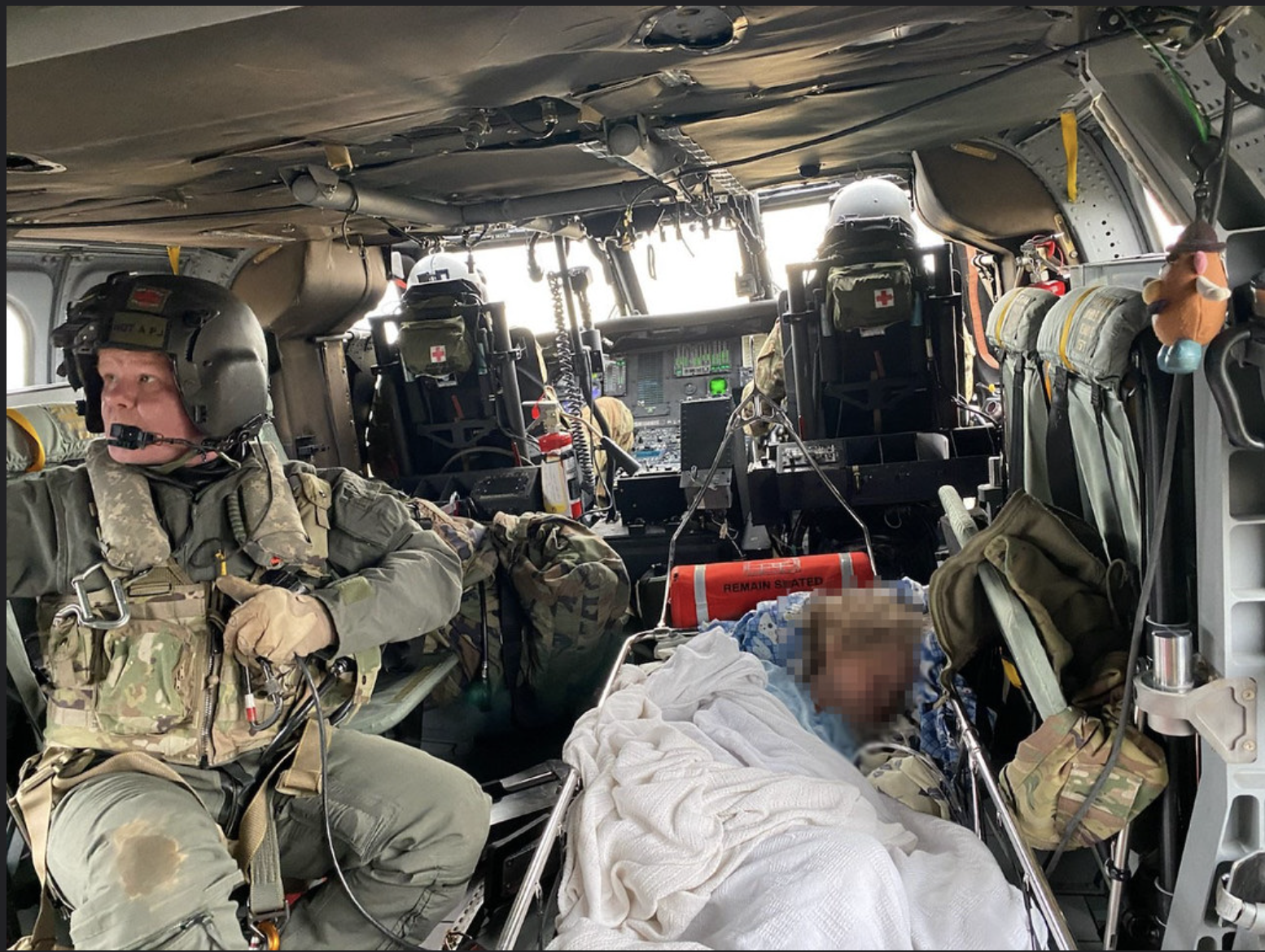
Remember those volunteers who showed up during the floods, filling sandbags and helping evacuate families? The Texas State Guard has been quietly doing the hard work for years, but now they’re getting the attention they deserve.
The Texas Legislature just passed House Bill 101, and it’s basically giving the State Guard a complete makeover. Think of it as sending your local volunteer fire department to military boot camp – except way smarter and more organized.
What This Actually Means for You
When the next hurricane, wildfire, or flood hits Texas, you want the people showing up to help actually know what they’re doing. Right now, the State Guard is full of good intentions but sometimes lacks the training, equipment, and coordination to be as effective as they could be.
House Bill 101 creates a temporary “Professionalization Task Force” – basically a group of Texas’s top emergency response experts who will spend a year figuring out how to turn these dedicated volunteers into a world-class disaster response team.
The Dream Team Behind This
This isn’t some random committee. They’re pulling together the best minds from:
- Texas Military Department
- Department of Public Safety
- State emergency management teams
- Transportation Department
- Forest Service
- Other key agencies
These are the people who actually know how disasters unfold and what it takes to respond effectively. They’re not just bureaucrats – they’re the ones who’ve been in the trenches during real emergencies.
What They’re Actually Going to Fix
The task force will dig into everything that’s been holding the State Guard back:
Training gaps: Making sure volunteers know how to operate in real disaster conditions, not just practice scenarios.
Equipment shortages: Getting the right tools to the right people when emergencies hit.
Communication problems: Ensuring everyone can talk to each other during chaos.
Modern technology: Bringing the State Guard into the 21st century with better coordination systems.
Staffing issues: Making sure there are enough trained volunteers where they’re needed most.
The Smart Part: No New Bureaucracy
Here’s what makes this brilliant – they’re not creating another permanent government agency. The task force uses existing staff from agencies that already deal with emergencies. No new taxes, no new bureaucracy, just smart people working together for one year to solve real problems.
The whole thing sunsets on September 1, 2026. Mission accomplished, everyone goes back to their regular jobs, and Texas gets a dramatically improved State Guard.
Why This Matters Right Now
Texas faces more natural disasters than almost any other state. We’ve got:
- Gulf Coast hurricanes
- Statewide flooding
- Massive wildfires
- Severe storms and tornadoes
- Winter weather emergencies
When these disasters hit, the State Guard volunteers are often the first people helping your neighbors. Making sure they’re properly trained and equipped isn’t just good policy – it could literally save your life or your property.
The Timeline That Actually Makes Sense
The task force has until August 31, 2026, to deliver their recommendations. That’s enough time to do serious analysis but not so long that it becomes a drawn-out bureaucratic exercise.
They’ll study what’s working, identify what’s broken, and come up with practical solutions that can be implemented quickly. Then they’ll disappear, leaving behind a much more capable emergency response force.
Real Impact You’ll See
The next time disaster strikes Texas, you should notice:
- Faster response times
- Better coordination between agencies
- Volunteers who actually know what they’re doing
- More effective use of resources
- Smoother operations overall
Instead of well-meaning chaos, you’ll get professional-level disaster response from people who still have the heart of volunteers but the skills of professionals.
The Bottom Line
House Bill 101 is one of those rare government initiatives that actually makes sense. It identifies a real problem, brings in the right experts to solve it, sets a clear deadline, and doesn’t create permanent bureaucracy.
Your tax dollars aren’t going up, but the quality of emergency response in Texas is about to get dramatically better. When you’re sitting in a shelter during the next big storm, you’ll be glad someone had the foresight to make this happen.
The Texas State Guard has always had the heart for this work. Now they’re finally getting the tools, training, and organization to match their dedication. That’s a win for everyone who calls Texas home.