
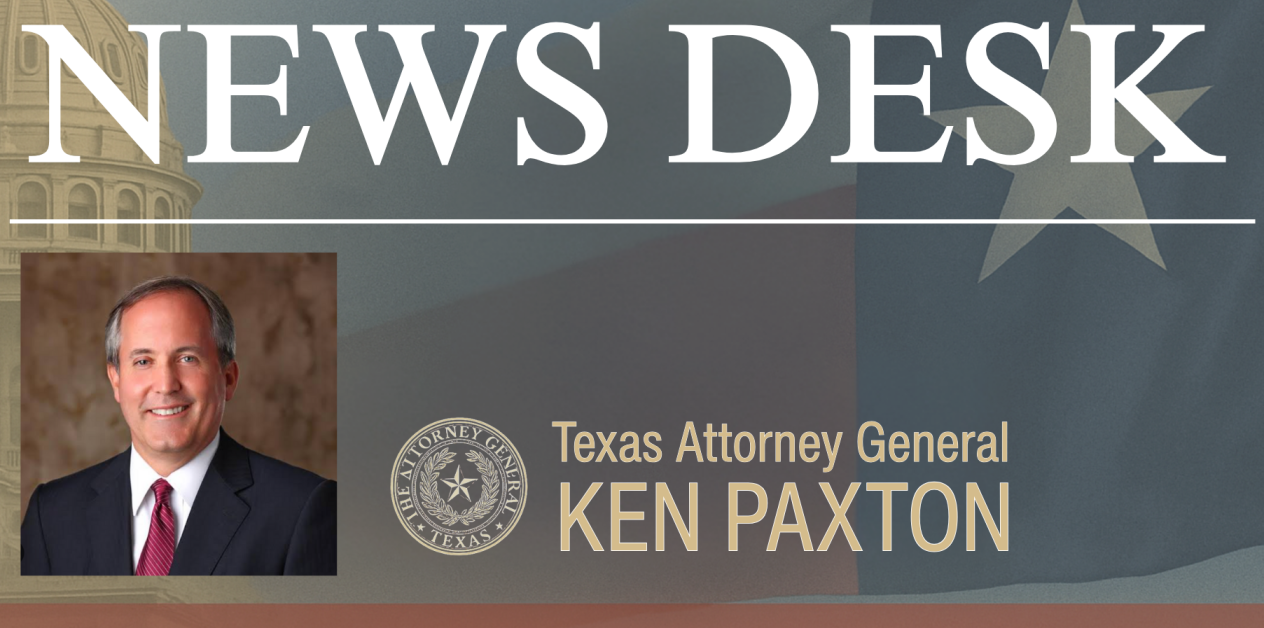
That bright blue Froot Loops and neon-colored cereal your kids love? It’s about to look a lot different, and that’s actually great news for your family’s health. Attorney General Ken Paxton just pulled off something no other state has managed – getting a major food company to legally promise to remove toxic artificial dyes from their products.
After months of investigation and negotiations, Kellogg’s has signed a historic Assurance of Voluntary Compliance, making them the first major food manufacturer to put their commitment to remove artificial food colorings in writing. This isn’t just a PR promise – it’s a legally binding agreement.
What This Means for Your Grocery Cart
By the end of 2027, popular Kellogg’s cereals will no longer contain the petroleum-based artificial dyes that have been linked to hyperactivity in children and other health concerns. We’re talking about:
- Red Dye #40 (found in strawberry-flavored cereals)
- Yellow Dye #6 (gives that bright yellow color)
- Blue Dye #1 (creates those vibrant blue pieces)
Your Froot Loops will still taste the same, but they might look more like actual fruit colors rather than neon rainbow hues.
The Double Standard That Started This Fight
Here’s what really got Paxton fired up: Kellogg’s was already making safer versions of their cereals for kids in Canada and Europe, but kept feeding American children the stuff with artificial dyes. Same company, same cereals, but apparently American kids didn’t deserve the safer versions.
When Kellogg’s claimed they would remove these petroleum-based colorings in the United States but didn’t follow through, Paxton launched a formal investigation in February and went public with it in April.
Why This Is Bigger Than Just Cereal
“Following months of investigating and negotiating, I’m proud to officially say Kellogg’s will stop putting these unhealthy ingredients in its cereals,” Paxton said. “I encourage other food manufacturers to sign similar agreements to demonstrate their commitment to helping Americans live healthier lives.”
This agreement represents the first time a major food company has been legally held accountable for their promises to remove toxic ingredients. While other companies have made verbal commitments, Kellogg’s is now legally bound to follow through.
What Parents Need to Know
The artificial dyes being removed have been linked to:
- Hyperactivity in children (especially those with ADHD)
- Behavioral issues and difficulty concentrating
- Allergic reactions in some sensitive individuals
- Potential long-term health concerns still being studied
European countries have largely moved away from these dyes, and many require warning labels on foods that contain them. The fact that American food companies can make safer versions but choose not to has been a source of frustration for parents and health advocates.
The Investigation That Made It Happen
Paxton’s approach was methodical:
- February 2024: Issued a Civil Investigative Demand to Kellogg’s
- April 2024: Formally announced the investigation
- Months of negotiations: Worked out the terms of removal
- August 2024: Secured the legally binding agreement
This wasn’t just regulatory pressure – it was a full investigation backed by the power of Texas law.
What Changes (And What Doesn’t)
What’s changing:
- Artificial petroleum-based dyes will be removed
- Colors will come from natural sources (like fruit and vegetable extracts)
- The cereals will likely look less neon-bright
What’s staying the same:
- The taste of your favorite cereals
- The nutritional content (sugar levels, vitamins, etc.)
- The price and availability
The Ripple Effect Across the Industry
This agreement could pressure other major food manufacturers to follow suit. When one company is legally committed to removing toxic ingredients, it becomes harder for competitors to justify keeping them.
Parents now have a powerful precedent to point to when demanding safer ingredients from other food companies. If Kellogg’s can do it profitably, why can’t everyone else?
Timeline for Change
- Now through 2027: Gradual phase-out of artificial dyes
- End of 2027: Complete removal required by the legal agreement
- Ongoing: Potential expansion to other Kellogg’s products beyond cereals
What Other States Are Watching
California has been pushing similar legislation, and other states are taking notice of Texas’s success with this legal approach. This could become a template for holding food companies accountable nationwide.
The Bottom Line for Families
Your kids’ breakfast is about to get healthier, whether they realize it or not. The cereals will still be sweet, crunchy, and fun – just without the petroleum-based chemicals that never belonged in food in the first place.
This victory shows that when state attorneys general use their investigative powers effectively, they can force real changes that benefit families. It’s not just about litigation – it’s about leveraging legal authority to protect public health.
Looking Ahead
Paxton’s success with Kellogg’s sends a clear message to other food manufacturers: make verbal promises to improve your products, and you might find yourself in legally binding negotiations with state authorities.
For parents, this represents a rare win in the ongoing battle for healthier food options. Your morning routine just got a little bit safer, and your kids probably won’t even notice the difference.
Pro Tip: Start reading ingredient labels now to see which cereals currently contain artificial dyes. By 2027, those same boxes should show natural colorings like “fruit and vegetable extracts” instead of “Red Dye #40.”
Sometimes the best victories are the ones that happen quietly in grocery store aisles across America.