
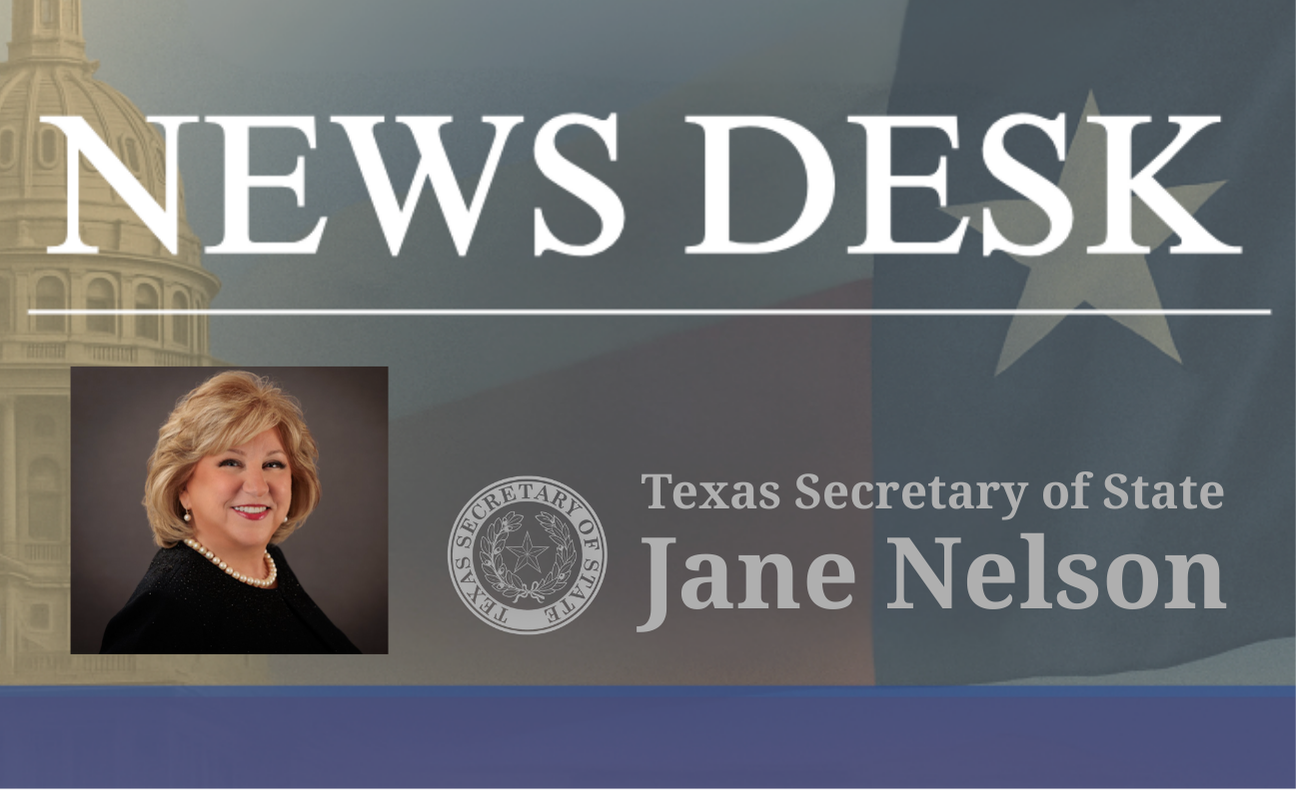
When you cast your ballot in Texas, you expect it to count fairly and equally with every other legitimate vote. Now, thanks to new agreements signed by Secretary of State Jane Nelson, your vote has better protection against fraud than ever before.
Texas just signed agreements with nine states to share voter registration data, creating a powerful network to catch people trying to vote in multiple states. It’s like having security cameras that can see across state lines – and the cheaters hate it.
What This Means for Your Vote
Every time someone votes illegally in multiple states, they’re stealing power from legitimate voters like you. One person, one vote becomes one person, two votes – or three, or four. That dilutes your voice in democracy.
The new system catches:
- People registered to vote in Texas and other states
- Voters who try to cast ballots in multiple jurisdictions
- Dead people still on voter rolls across state lines
- Anyone gaming the system by moving between states
Your legitimate vote gets stronger protection because the system can now verify that each person votes only once, only where they’re legally allowed to vote.
The Nine-State Alliance
Texas now shares secure voter data with:
- Alabama
- Arkansas
- Kansas
- Kentucky
- Louisiana
- Ohio
- South Carolina
- Virginia
- West Virginia
Think of it as a neighborhood watch program for elections. When someone tries to register in multiple states or vote twice, the system flags them across this entire network.
How It Actually Works
Before these agreements: If someone moved from Texas to Ohio and registered to vote there without canceling their Texas registration, both states might never know. That person could potentially vote twice.
Now: Texas and Ohio share data securely, spot the duplicate registration, and clean up their voter rolls. The person gets one legal vote in their current home state – exactly how it should work.
The technical side: States use “strict confidentiality and cybersecurity protocols” to share only voter registration information – not how people voted or other private details.
Why This Matters Right Now
Texans expect fair and transparent elections, as Secretary Nelson put it. But trust in elections requires more than expectations – it requires systems that actually work to prevent fraud.
The numbers tell the story: Texas employs multiple data sources already, including federal agencies like the Social Security Administration and Bureau of Vital Statistics. Adding state-to-state data sharing creates another layer of protection.
It’s not just about catching fraud – it’s about preventing it. When potential cheaters know this system exists, they’re less likely to try gaming the system in the first place.
What Changes for You as a Voter
If you’re a legitimate voter: Absolutely nothing changes about how you register or cast your ballot. You might notice cleaner, more accurate voter rolls, which means shorter lines and fewer problems at polling places.
If you move between states: You’ll need to properly cancel your old registration and register in your new state – which is what you’re supposed to do anyway. The new system just makes it easier to catch people who don’t follow the rules.
If you try to vote illegally: The system will find you. These agreements ensure that “instances of duplicate registrations or potential voter fraud identified through this process are shared with appropriate authorities for further investigation.”
The Bigger Picture
This isn’t just about Texas protecting its own elections – it’s about creating a model other states can follow. Secretary Nelson said Texas “plans to establish similar agreements with additional states,” expanding the network of protection.
Think about the impact:
- 10 states coordinating on voter roll accuracy
- Potentially 20, 30, or more states in the future
- A national network that makes multi-state voter fraud nearly impossible
Real Protection, Not Theater
Some election security measures sound impressive but don’t actually stop fraud. This initiative delivers real protection because:
It’s proactive: Instead of discovering fraud after elections, it prevents duplicate registrations before people vote.
It’s cooperative: States work together instead of hoping problems will solve themselves.
It’s secure: Data sharing follows strict cybersecurity protocols, protecting voter privacy while enabling fraud detection.
It’s expandable: More states can join, making the protection stronger over time.
What Critics and Supporters Say
Supporters argue: This common-sense approach uses technology to solve a real problem. If you’re a legitimate voter, you have nothing to worry about and everything to gain from cleaner elections.
Critics worry: Data sharing between states could lead to errors that remove legitimate voters from rolls or compromise voter privacy.
The reality: Texas already shares data with federal agencies for voter roll maintenance. These MOUs simply extend that cooperation to willing state partners using the same security protocols.
Your Role in Election Integrity
Stay registered properly: If you move, cancel your old registration and register in your new location. Don’t assume it happens automatically.
Report suspicious activity: If you see potential voter fraud, report it to local election officials or the Texas Secretary of State’s office.
Stay informed: Follow updates about election security measures in Texas and your local area.
Vote: The best way to ensure election integrity is to participate in the process yourself.
Looking Ahead
Secretary Nelson called these agreements “a significant step in our ongoing commitment to maintain accurate voter registration lists.” The key word is “ongoing” – this isn’t the end of election security improvements, it’s the beginning of a new approach.
What’s next:
- Expanding agreements to more states
- Improving data sharing technology
- Refining fraud detection capabilities
- Building public confidence in election integrity
The Bottom Line
Your vote matters, and now it’s better protected. These nine-state agreements create a powerful tool to catch voter fraud while protecting legitimate voters’ privacy and rights.
When election systems work properly, everybody wins – except the cheaters. And that’s exactly the point.
The next time you cast your ballot in Texas, you can know that a sophisticated, multi-state system is working to ensure your vote counts exactly once and carries exactly the weight it should in our democracy.
For More Information:
- Texas Secretary of State: sos.texas.gov
- Report election irregularities: Contact your county election office
- Voter registration: Check your status at sos.texas.gov/elections
Because every legitimate vote deserves equal protection, and every fraudulent vote deserves to be caught.