
What’s the Big Deal?
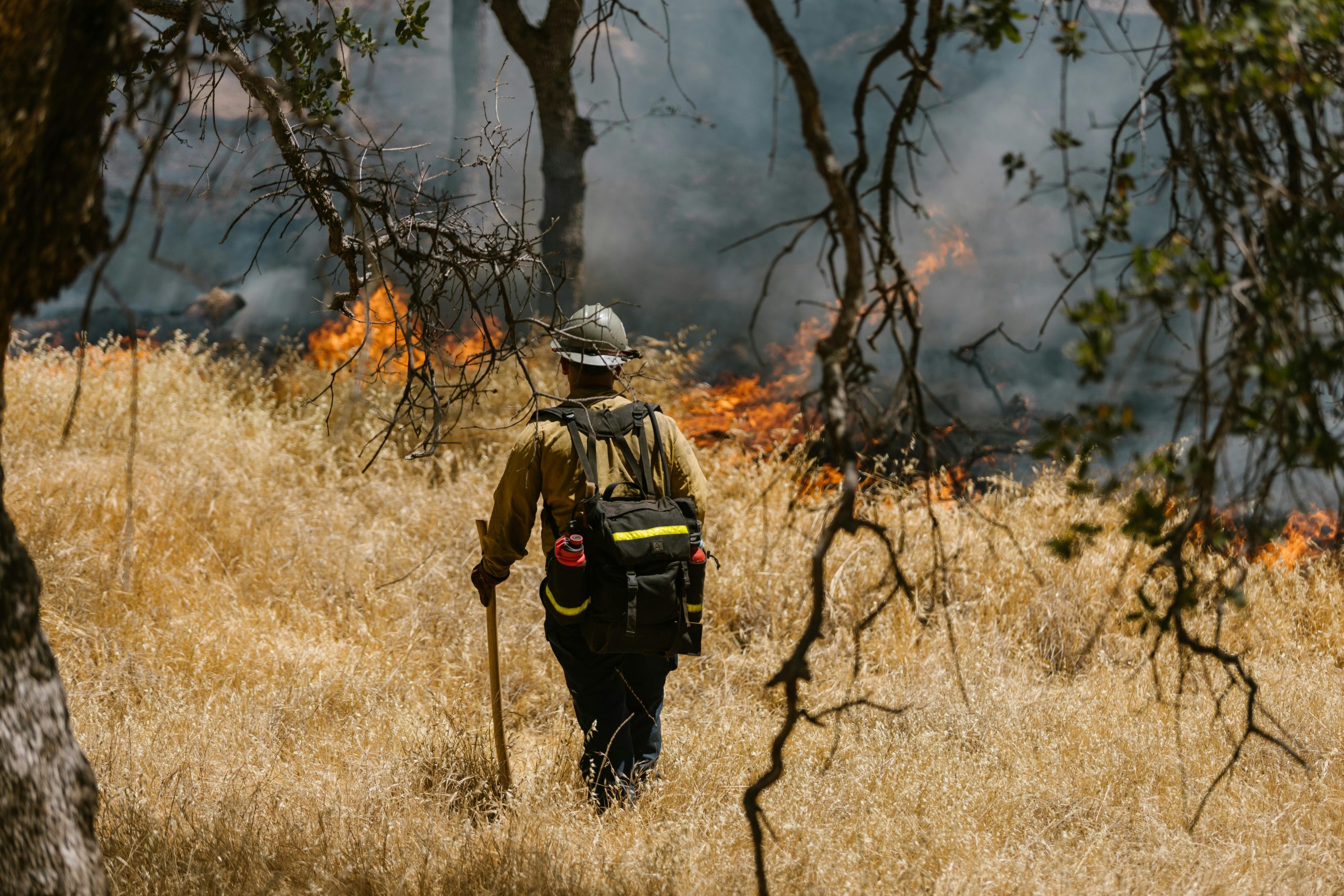
The U.S. Fire Administration’s National Fire Academy (NFA) is now offering the gold standard of wildfire training courses completely online and absolutely free. We’re talking about the same National Wildfire Coordinating Group (NWCG) classes that professional firefighters take – S-130, S-190, and L-180 – available to anyone with an internet connection.
This isn’t just theory. These courses give you the foundational skills that every wildland firefighter needs to stay safe and save lives when wildfires threaten communities.
Three Courses That Could Change Your Life
S-190: Introduction to Wildland Fire Behavior Think of this as “Fire 101” – you’ll learn what makes wildfires tick and how to spot dangerous situations before they become deadly. The course breaks down into 3 online modules (1-3 hours each), so you can learn at your own pace whether you’re at the fire station or your kitchen table.
S-130: Firefighter Training (Wildland) This is the big one – the foundational skills every wildland firefighter needs. You’ll work through 12 online modules covering everything from basic firefighting techniques to safety protocols. But here’s the catch: you’ll also need to complete a mandatory field day exercise with a qualified instructor to get your final certification. Think of the online portion as your homework, and the field day as your final exam.
L-180: Human Factors in the Wildland Fire Service This course focuses on the psychology of firefighting – how people make decisions under pressure, how to work effectively as a team, and how to avoid the mental mistakes that can turn dangerous situations deadly. You’ll even get to practice decision-making skills in an interactive simulation as part of a fire crew.
How It Actually Works
Getting Started: Sign up anytime at the NFA Online website. No deadlines, no pressure – just create your account and start learning.
The Learning: Complete your online modules at your own pace. Whether you’re a night owl or early bird, the courses are there when you’re ready.
The Certification: After finishing the online portion, your local fire department or training officer will evaluate what additional hands-on training you need and can issue your final certificate.
The Cost: Zero dollars. Zilch. Nada. Even international students are welcome.
Who Should Take These Courses?
Current Firefighters: Expand your skills and get certified in wildland firefighting
Volunteers: Many rural communities desperately need trained wildland firefighters
Career Changers: Looking for meaningful work that makes a real difference?
Students: Planning a career in emergency services or forestry?
Anyone: Living in wildfire-prone areas and want to understand fire behavior and safety
Why This Matters Right Now
Wildfire season isn’t just a California problem anymore. From Texas to Montana, communities across the country are dealing with increasingly dangerous fire seasons. Having more people trained in wildfire suppression and safety benefits everyone.
Plus, these certifications can open doors to seasonal firefighting jobs, forest service positions, and other emergency services careers.
The Tech Details Made Simple
No Passwords: The system uses secure, single sign-on technology. You’ll get a 6-digit passcode sent to your email or phone each time you log in.
Student ID: You’ll need a Student Identification Number, which you get during registration
Wait Time: New students need to wait 2 hours after registration before logging in for the first time
Passcode: Each passcode expires after 10 minutes (but you can always get a new one)
Getting Your Hands Dirty
Remember, the online courses are just the beginning. For S-130, you’ll need to complete a field day exercise where you’ll actually practice what you’ve learned. Your local fire department or training officer will help arrange this hands-on component.
Think of it like getting your driver’s license – you can study the manual online, but you still need to prove you can actually drive the car.
The Bottom Line
The National Fire Academy has been training firefighters for decades, and now they’re making their expertise available to anyone with the motivation to learn. Whether you’re looking to volunteer in your community, change careers, or just understand how to stay safe in wildfire country, these courses give you real skills that could save lives – including your own.
Your next step: Visit the NFA course catalog at usfa.fema.gov/nfa/courses/online/self-study.html and see what’s available. In a few hours, you could be well on your way to understanding wildfire behavior like a pro.
Because when wildfires threaten your community, you’ll want trained people who know what they’re doing.