
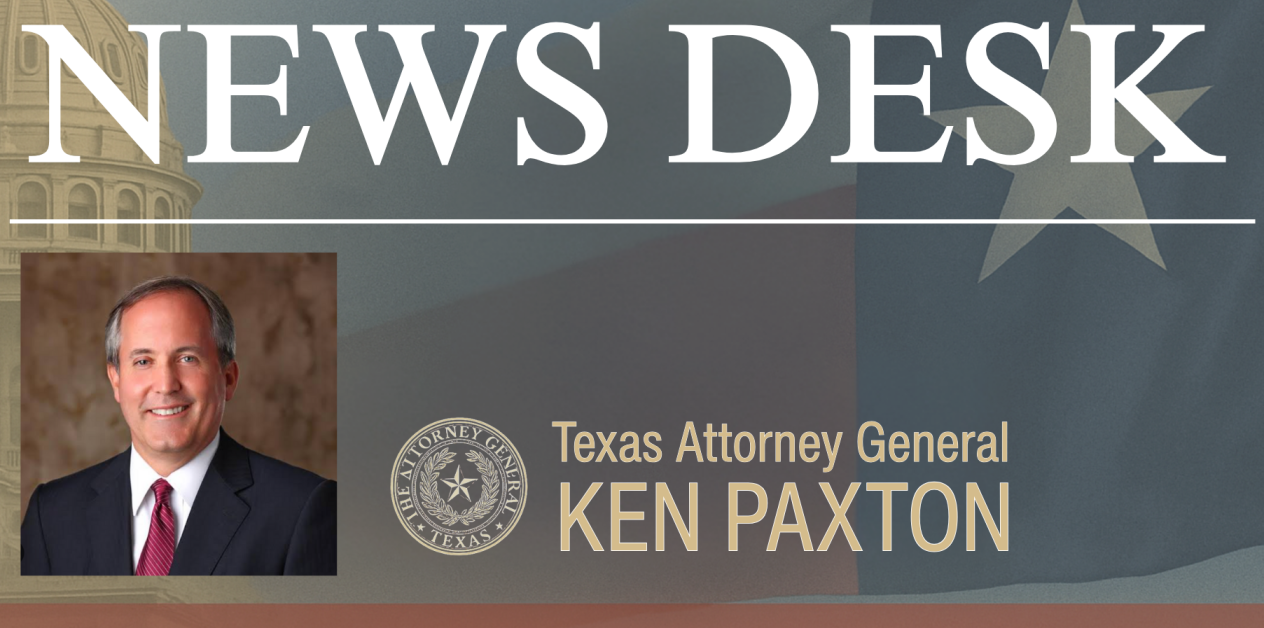
Your doctor’s prescription pad just became the center of a major legal battle. Texas Attorney General Ken Paxton is taking on pharmaceutical giant Eli Lilly, claiming the company essentially bribed medical providers to push their most profitable drugs – including the hugely popular weight-loss medications Mounjaro and Zepbound.
This isn’t just another corporate lawsuit buried in legal jargon. This is about whether your doctor’s medical advice is influenced by pharmaceutical companies offering them “free nurses” and other perks behind the scenes.
What Eli Lilly Allegedly Did
According to Paxton’s lawsuit, Eli Lilly didn’t just market their drugs – they allegedly created an elaborate incentive system to get doctors to prescribe them more often. The alleged scheme included:
- “Free nurses” provided to medical practices
- Reimbursement support services to make prescribing easier
- Other illegal inducements designed to steer doctors toward Eli Lilly drugs
These weren’t just friendly business relationships. Paxton alleges these were quid pro quo arrangements – essentially, “we’ll give you this free stuff if you prescribe our expensive drugs.”
Why This Matters to Your Wallet
Here’s where it gets personal: many of these allegedly influenced prescriptions were paid for by Texas Medicaid. That means taxpayer money – your money – was potentially funding prescriptions that were influenced by corporate kickbacks rather than pure medical judgment.
When doctors prescribe based on incentives rather than just patient need, it can drive up healthcare costs for everyone. Mounjaro and Zepbound are expensive medications, with monthly costs often running hundreds or even thousands of dollars.
The Bigger Picture of Healthcare Trust
“Big Pharma compromised medical decision-making by engaging in an illegal kickback scheme,” Paxton said in his announcement. “Eli Lilly fraudulently sought to maximize profits at taxpayer expense and put corporate greed over people’s health.”
That’s a pretty serious allegation about the integrity of medical decision-making. When you visit your doctor, you expect their prescription recommendations to be based solely on what’s best for your health – not on what perks they’re getting from pharmaceutical companies.
What Makes This Case Different
This lawsuit specifically targets GLP-1 medications like Mounjaro and Zepbound, which have become incredibly popular for weight loss and diabetes treatment. These drugs are in such high demand that there have been nationwide shortages, making them even more valuable to pharmaceutical companies.
The timing matters too. As these medications have exploded in popularity, any scheme to artificially boost their prescription rates could have affected thousands of patients and millions in healthcare spending.
Paxton’s Track Record Against Big Pharma
This isn’t Paxton’s first rodeo with pharmaceutical companies. He’s previously taken legal action against Eli Lilly and other major drug manufacturers for fraud and abuse. This latest lawsuit continues his pattern of going after what he sees as corporate manipulation of the healthcare system.
By targeting “one of the world’s largest drug companies,” Paxton is sending a message that even the biggest pharmaceutical players aren’t immune from accountability when they allegedly cross legal lines.
What This Could Mean for You
If the lawsuit succeeds, it could:
- Recover taxpayer money that was allegedly spent on improperly influenced prescriptions
- Strengthen oversight of pharmaceutical marketing practices
- Restore confidence in the independence of medical decision-making
- Set precedent for holding other drug companies accountable
The Questions This Raises
This lawsuit brings up some uncomfortable questions about healthcare:
- How often do pharmaceutical incentives influence prescription decisions?
- Are patients getting the most appropriate medications, or the most profitable ones?
- How can patients know if their doctor’s recommendations are truly independent?
What You Can Do
While this lawsuit works its way through the courts:
- Ask questions about why your doctor is recommending specific medications
- Research alternatives if you’re prescribed expensive brand-name drugs
- Understand your insurance coverage and what options you have
- Report suspicious practices if you suspect inappropriate pharmaceutical influence
The Broader Implications
This case represents a larger battle over healthcare integrity. As prescription drug costs continue to climb and medications like weight-loss drugs become cultural phenomena, the stakes for proper oversight have never been higher.
Whether Eli Lilly is ultimately found liable or not, this lawsuit shines a spotlight on the complex relationships between pharmaceutical companies and healthcare providers – relationships that ultimately affect every patient’s care and every taxpayer’s wallet.
Pro Tip: This lawsuit is still in early stages, so Eli Lilly hasn’t had their day in court yet. These are allegations, not proven facts – but they’re serious enough that Texas’s top law enforcement official is willing to take on one of the world’s biggest pharmaceutical companies over them.
Stay tuned as this David vs. Goliath healthcare battle unfolds.