
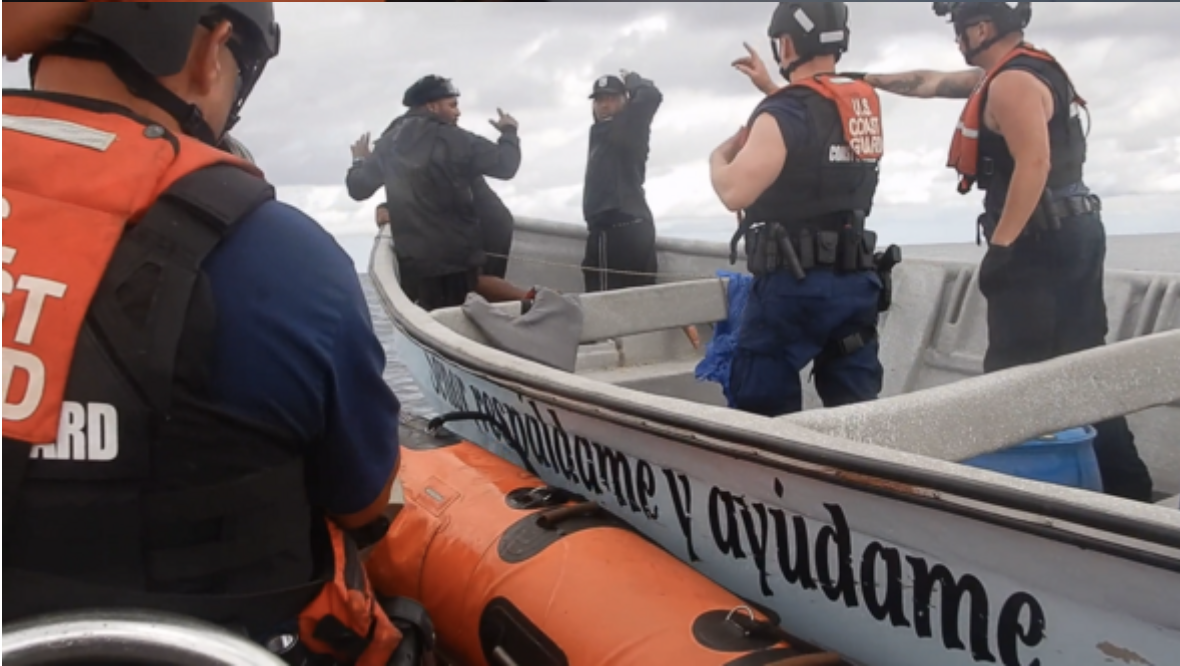
The Department of Homeland Security said Operation Pacific Viper passed the milestone after a recent interdiction by the cutter Bear in the Eastern Pacific that netted roughly 7,700 pounds and six suspects
The Department of Homeland Security said the U.S. Coast Guard’s Operation Pacific Viper has surpassed 225,000 pounds of cocaine seized in the Eastern Pacific Ocean since the operation began in August 2025.
According to DHS, the milestone was reached after a recent interdiction of 7,707 pounds of cocaine by the Coast Guard Cutter Bear. The agency said that while on patrol over the past weekend, the Bear and an embarked helicopter crew detected and disabled two suspected drug-smuggling vessels, leading to the seizure and the apprehension of six people the agency described as suspected narco-terrorists.
“Operation Pacific Viper stands as a decisive force against narco-terrorists, sending an unmistakable message that we will not allow them to profit off the poisoning of our people,” DHS Secretary Markwayne Mullin said in a statement, adding that the operation has kept more than 225,000 pounds of cocaine from reaching American communities since it began.
“We own the sea,” said Adm. Kevin Lunday, Commandant of the Coast Guard, who said forces conducting the operation continue to disrupt cartels and the flow of drugs to the United States.
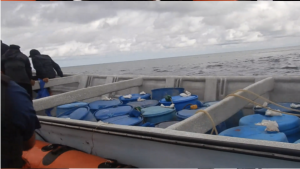
The Scale of the Seizures
DHS said that, based on a potentially deadly dose of 1.2 grams of cocaine, the total seized through the operation equates to more than 93 million potentially deadly doses kept off American streets. The agency also said roughly 80% of all seizures of U.S.-bound narcotics occur at sea, which it said underscores the impact of maritime interdiction.
According to DHS, Operation Pacific Viper has accelerated counter-drug operations in the Eastern Pacific, which the agency described as a primary corridor for narcotics smuggling from Central and South America. The agency said the Coast Guard has surged cutters, aircraft, and tactical teams to interdict and disrupt the flow of cocaine and other drugs, calling the effort part of a broader strategy to combat drug trafficking and dismantle transnational criminal organizations.