
If you’ve ever wondered why shark fin soup disappeared from some restaurant menus, there’s a Texas law behind it. And it’s getting tougher.
Since 2016, Texas has banned the buying, selling, or even advertising of shark fins. But here’s what most people don’t know: the state just strengthened those rules in 2023 to make enforcement even stricter.
What the Law Says
You can’t buy shark fins. You can’t sell them. You can’t transport them for sale. Period. Restaurants and seafood businesses can process sharks into steaks and fillets, but the fins have to be destroyed and thrown away immediately—no exceptions.
Texas became the 10th state to prohibit the sale, trade, purchase and transportation of shark fins.
Why Texas Did This
The reason is brutal: shark finning is a cruel practice in which the top, side, and tail fins are cut from live sharks to be sold and distributed. The immobile sharks are then disposed of in the ocean, where they die from suffocation, starvation, or blood loss. Shark finning continues to kill approximately 73 million sharks per year.
That’s why the law exists. Sharks can’t move without their fins, so cutting them off and throwing the shark back in the water is essentially a death sentence.
Texas Is Enforcing It
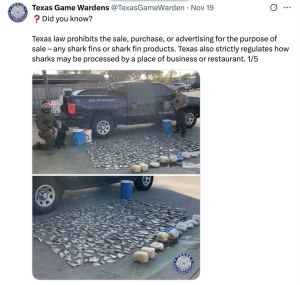
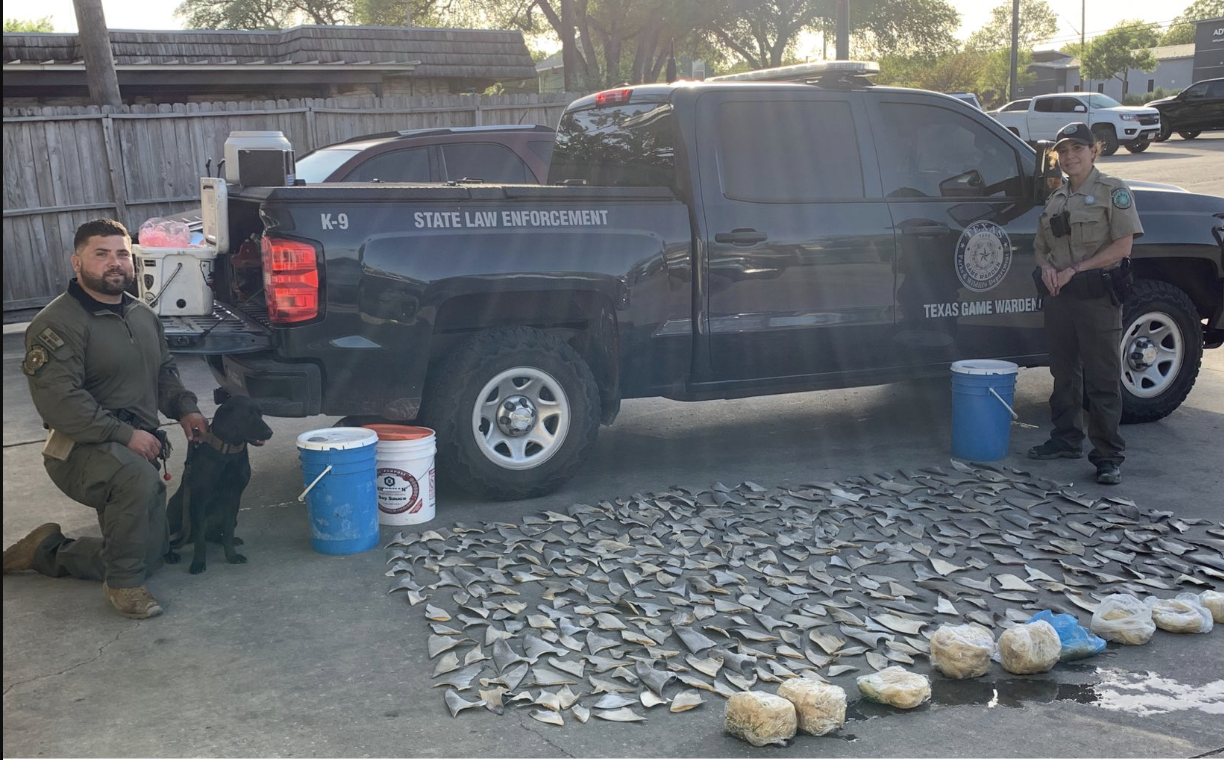
This isn’t just a law on the books. In 2022, nearly 400 shark fins were found at a San Antonio seafood restaurant and confiscated by Texas Game Wardens. Game Wardens have filed Class B misdemeanor charges on restaurants and markets in the Houston and Dallas area for selling shark fins and shark fin products.
The Penalties
Break this law and you’re facing serious consequences. An offense is a Class B Parks and Wildlife Code misdemeanor, but becomes a Class A misdemeanor if you’ve been convicted of the same offense in the previous five years. And here’s the kicker: each shark fin you possess for sale counts as a separate offense.
What Changed in 2023
Texas Senate Bill 1839, effective September 1, 2023, strengthens restrictions on shark finning by clarifying specific restricted activities regarding the sale and purchase of shark fins and adding destruction and disposal requirements.
The bottom line? Texas isn’t messing around when it comes to protecting sharks. If you see a restaurant selling shark fins, report it to Texas Parks and Wildlife. You’ll be helping save one of the ocean’s most important predators.