

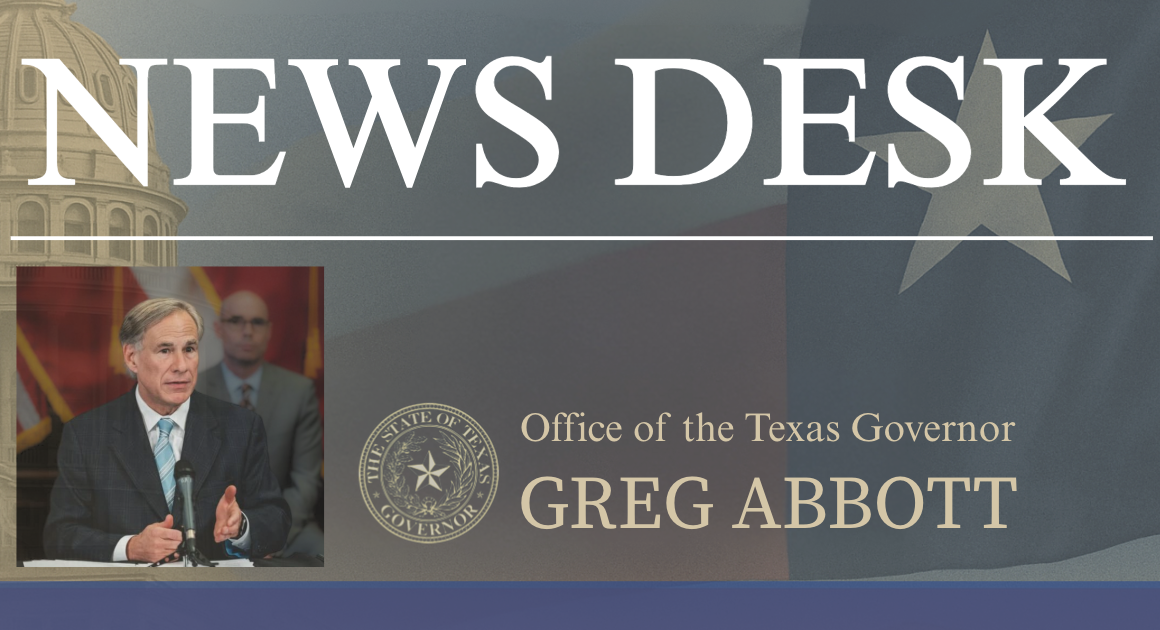
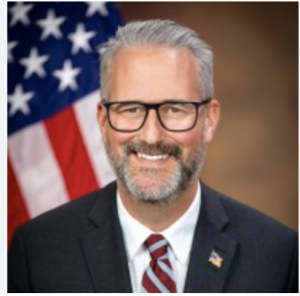
Kyle Hawkins accomplished something no other attorney in America has done—he argued five cases before the Fifth Circuit Court of Appeals sitting en banc and won every single one. Now Governor Greg Abbott has appointed him to the Texas Supreme Court.
Hawkins replaces Justice Jeff Boyd, who retired from the bench in September. The appointment adds another experienced appellate lawyer to Texas’ highest civil court, where Hawkins will hear cases involving everything from property disputes to challenges against state laws.
From Harvard to the High Court
Hawkins didn’t start in law. After graduating magna cum laude from Harvard in 2002, he worked as a management consultant in Chicago, then spent two years teaching English in Japan. When he finally entered the University of Minnesota Law School in 2006, he made it count—graduating summa cum laude as Editor in Chief of the Minnesota Law Review.
The traditional path for ambitious young lawyers followed: clerk for Judge Edith H. Jones on the Fifth Circuit, then clerk for Supreme Court Justice Samuel Alito. Those clerkships opened doors to elite legal circles where Hawkins built a reputation as a skilled appellate advocate.
He joined Gibson Dunn & Crutcher as a commercial litigation partner, splitting time between Dallas and Houston offices before joining Lehotsky Keller Cohn LLP, where he chaired the firm’s Texas Appellate Practice.
Texas Solicitor General and a Notable Exit
In September 2018, Attorney General Ken Paxton appointed Hawkins as Texas Solicitor General—the state’s top appellate attorney. For two and a half years, Hawkins represented Texas in high-profile cases before the Fifth Circuit, U.S. Supreme Court, and Texas Supreme Court.
His biggest case came in November 2020 when he argued before the U.S. Supreme Court that the Affordable Care Act should be struck down. Though Texas ultimately lost that challenge, Hawkins demonstrated his ability to handle pressure on the nation’s biggest legal stage.
Then came January 2021. Hawkins resigned from the Solicitor General position shortly after Paxton filed a lawsuit asking the U.S. Supreme Court to overturn the 2020 presidential election results in four battleground states. Notably, Hawkins’ signature was missing from that lawsuit—a rare move for a Solicitor General who typically signs all major state appeals.
The Supreme Court swiftly dismissed Paxton’s election challenge. Hawkins’ office never publicly explained why he didn’t sign onto the case, saying only that he “fought for Texans’ rights every step of the way.”
Private Practice and Return to Federal Service
Leaving state government didn’t slow Hawkins down. He joined former Texas Solicitor General Scott Keller in private practice, arguing high-profile cases for clients across industries. His appellate record grew: five arguments before the U.S. Supreme Court, nine before the Texas Supreme Court, and dozens more in federal and state intermediate courts.
Earlier in 2025, Hawkins spent three months as Counselor to the U.S. Solicitor General during the Trump administration transition. While there, he argued before the U.S. Supreme Court that states should be allowed to remove Planned Parenthood from their Medicaid programs—continuing his work on cases involving state authority over federal programs.
Throughout his career, Hawkins also taught as an Adjunct Professor at the University of Texas Law School, leading seminars on constitutional law and oral advocacy.
What His Appointment Means for Texas
Abbott praised Hawkins as “a proven defender of both the U.S. and Texas Constitutions,” highlighting his work challenging “federal overreach of Obamacare” and defending “Texas’ election integrity measures.”
Hawkins becomes the first former member of Paxton’s administration that Abbott has appointed to the high court. Abbott has reshaped the Texas Supreme Court significantly—seven of the nine justices are now Abbott appointees, maintaining the court’s all-Republican composition.
The appointment follows Abbott’s pattern of selecting lawyers with deep appellate experience and conservative credentials. Both Chief Justice Jimmy Blacklock and Justice James Sullivan previously served as Abbott’s general counsel before joining the court.
Hawkins brings extensive experience in cases involving state sovereignty, healthcare law, and election regulations. His track record suggests he’ll support Texas positions in disputes with federal authorities and uphold state laws that restrict federal intervention.
The Road Ahead
Hawkins holds the seat until December 31, 2026, when he must run for election if he wants to keep it. He’ll campaign alongside Chief Justice Blacklock, Justice Sullivan, and Justice Brett Busby—all facing voters in 2026.
Legal rankings consistently place Hawkins among Texas’ top appellate lawyers. Chambers, Best Lawyers in America, and Super Lawyers all recognize him as one of the state’s most accomplished litigators. His former law firm partner Johnathan Cohn called his record “unparalleled legal expertise” that has “earned national recognition.”
The Texas Supreme Court hears civil cases only—no criminal matters. Cases reach the court when lower courts disagree on legal interpretations or when challenges to state laws need final resolution. Hawkins will help decide disputes affecting businesses, property owners, government agencies, and anyone involved in major civil litigation across Texas.
Background
Kyle Douglas Hawkins
Born: May 6, 1980
Education: Harvard College (BA, 2002), University of Minnesota Law School (JD, 2009)
Previous position: Partner, Lehotsky Keller Cohn LLP
Texas Solicitor General: September 2018 – January 2021
Supreme Court clerkship: Justice Samuel A. Alito Jr.
Fifth Circuit clerkship: Judge Edith H. Jones
Appointed by: Governor Greg Abbott
Position: Justice, Place 7, Texas Supreme Court
Term: Through December 31, 2026
Replaces: Justice Jeff Boyd (retired September 2025)
More Information
Texas Supreme Court: txcourts.gov/supreme
Governor’s Office: gov.texas.gov
Lehotsky Keller Cohn LLP: lkcfirm.com