

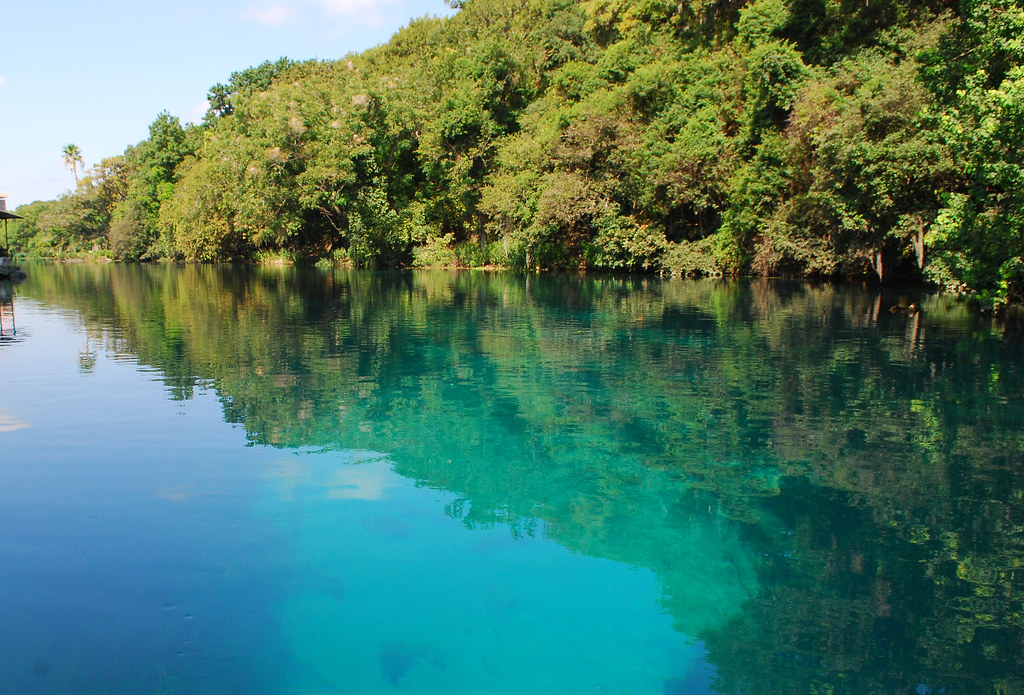
Texas just committed to building something extraordinary. By 2036 – the state’s 200th birthday – you’ll be able to hike or bike 100 miles from the Alamo in San Antonio straight to the Capitol in Austin, passing through four iconic springs and 50,000 acres of protected Hill Country landscape.
Governor Abbott signed House Bill 4230 into law, officially establishing the Texas Bicentennial Trail and bringing together state agencies, local governments, and the nonprofit Great Springs Project to make this vision reality. This isn’t just another trail – it’s a massive conservation effort that protects the Edwards Aquifer while creating $59 million in annual economic benefits for Central Texas communities.
Why This Trail Matters
San Antonio, New Braunfels, San Marcos, and Austin exist because of their springs. For thousands of years, indigenous peoples settled at these reliable water sources. Today, over two million Texans depend on the Edwards Aquifer for drinking water, and those same four springs – San Antonio Springs, Comal Springs, San Marcos Springs, and Barton Springs – still define Central Texas life.
The problem? Explosive growth threatens everything. Hays and Comal counties ranked as America’s fastest-growing large counties in the 2020 census, with population increases of 53% and 49% since 2010. Between 2001 and 2019, the four counties spanning Austin to San Antonio added 211 square miles of new development and 120 square miles of impervious cover.
More pavement means less water reaches the aquifer. More wells means springs run dry. More development fragments wildlife habitat and destroys the Hill Country character that makes this region special.
The Texas Bicentennial Trail solves multiple problems simultaneously – protecting critical water resources, preserving endangered species habitat, creating recreational opportunities, and generating economic benefits that strengthen every community along the route.
The Route: Connecting Communities and Springs
The trail runs from San Antonio through Selma, Universal City, Garden Ridge, Schertz, Cibolo, New Braunfels, San Marcos, Kyle, and Buda before reaching Austin. About one-third uses existing trails, one-third connects trails already under development, and the final third requires negotiating with private landowners for trail access.
Some sections already welcome visitors. The Limestone Link in San Marcos opened in 2025, offering 1.3 miles of trail through 102 acres of protected Edwards Aquifer recharge zone. This segment connects existing natural areas and demonstrates what the complete trail will offer – immersive Hill Country landscapes where you can hike, bike, and experience the ecology that makes Central Texas unique.
Bipartisan Support From State Leaders
State Representative Will Metcalf (R-Conroe) authored House Bill 4230, with State Senator Donna Campbell (R-New Braunfels) carrying companion legislation in the Senate. The bill received widespread support from chambers of commerce, economic development agencies, and conservation organizations across the political spectrum.
“The Texas Bicentennial Trail will showcase the beauty, character, and independence of the State of Texas and provide significant economic impact to the state,” Metcalf said when announcing the legislation.
Campbell emphasized health and cultural benefits: “The Texas Bicentennial Trail from the Alamo to the State Capitol represents the greatness of our state and our rich historical and cultural heritage. Recreational trails are a win-win for Texas by bringing tourist dollars to a region and providing for a more healthy Texas and health care savings for Texans.”
Even high-profile Texans like Matthew McConaughey support the project, narrating a promotional film released in 2022. U.S. Representatives Lloyd Doggett (D-Austin) and Chip Roy (R-Austin) both back the initiative, demonstrating how conservation and recreation unite people across party lines.
The Great Springs Project: Making It Happen
San Antonio native Deborah Morin founded the Great Springs Project in 2017 after watching Hill Country development threaten the Edwards Aquifer for decades. Married to Whole Foods cofounder John Mackey, Morin brings both passion and resources to land conservation.
“It doesn’t matter how many laws, how many rules you have,” Morin told reporters. “You have to buy it.” That philosophy drives the Great Springs Project’s approach – working directly with the 1,400 landowners who control high-value conservation parcels of 50 acres or more over the aquifer recharge zone.
CEO Garry Merritt, a sixth-generation Hill Country native and former Real County Judge, leads the day-to-day operations. “The heartbeat of Central Texas and the heartbeat of the Hill Country is the Edwards Aquifer,” Merritt explains. “And it is one of the incredible ecological gifts in the world.”
The organization collaborates with multiple state agencies now codified in law: the General Land Office, Texas Department of Transportation, Texas Parks and Wildlife Department, plus local governments and river authorities. This coordination ensures the trail meets state standards while respecting local needs.
Economic Benefits That Build Communities
An economic impact study conducted with Alta Planning + Design analyzed similar trail systems nationwide and projected specific benefits for Central Texas. The trail will generate approximately $59 million in annual economic benefits through:
Direct Recreation Spending: Visitors staying in hotels, dining at restaurants, shopping locally, and renting bikes and e-bikes along the route.
Land and Water Benefits: $19.2 million annually from water quality protection, flood mitigation, stormwater management, pollination services, wildlife habitat preservation, and agritourism opportunities.
Healthcare Savings: An estimated 1,200 newly active people annually, with healthcare cost savings of $1,603 per person who becomes physically active – totaling nearly $2 million in reduced medical costs.
Transportation Savings: Over $11 million in benefits from reduced traffic congestion ($890,000), fewer vehicle crashes ($2.88 million), lower road maintenance costs ($1.9 million), and household vehicle operation savings ($5.35 million).
These aren’t theoretical numbers – they’re based on documented impacts from similar trails in other states that transformed regional economies while protecting natural resources.
Protecting Endangered Species and Water Quality
The Edwards Aquifer supports over 40 species of highly adapted subterranean creatures, including eight aquatic species and nine non-aquatic species listed as threatened, endangered, or petitioned for protection by the U.S. Fish and Wildlife Service.
The golden-cheeked warbler, an endangered songbird that nests only in Central Texas juniper-oak woodlands, depends on the exact habitat the trail will protect. Six endangered species rely entirely on the Edwards Aquifer ecosystem for survival.
The karst topography – characterized by sinkholes, caves, and sinking streams – allows rapid water infiltration but also makes the aquifer vulnerable to pollution. Protecting land over the recharge zone maintains water quality for both human consumption and endangered species habitat.
Texas Land Commissioner Dawn Buckingham emphasized the trail’s broad impact: “This sprawling network of nature trails, renowned geographical locations, and historical landmarks will inspire Texans and millions of annual visitors to explore our state’s unique beauty and history, boosting our robust economy.”
Timeline and Funding
The 2036 completion deadline marks Texas’s bicentennial – 200 years of independence. That gives organizers 11 years to acquire land, secure easements, design trail segments, obtain permits, and complete construction across 10 cities, four counties, and three river authorities’ jurisdictions.
The project requires hundreds of millions of dollars. Funding sources include:
- Federal Land and Water Conservation Fund: Can provide up to 50% of funding for land preservation projects
- Federal transportation grants: Cover majority of trail construction costs
- Philanthropic donations: Essential for land acquisition and conservation easements
- State appropriations: Supporting agencies’ coordination and planning efforts
- Local bond measures: Like Hays County’s 2020 Parks and Open Space bond that funded conservation easements
The Great Springs Project doesn’t aim to own all protected land directly. Instead, it facilitates connections between landowners, government agencies, and conservation partners to create the most effective preservation outcomes.
What This Means for You
Eighty percent of Texans live within three hours of the Central Texas corridor. Instead of driving eight hours to Big Bend for outdoor recreation, families can access world-class trails, spring-fed swimming holes, and Hill Country landscapes minutes from major metro areas.
The trail offers opportunities for day hikes, weekend bike trips, multi-day adventures, or simply walking sections near your community. Connections to existing park systems in Austin and San Antonio extend options even further.
Current and future generations gain access to nature that development would otherwise eliminate. Kids growing up along the I-35 corridor will experience protected greenspace, learn about water conservation, and develop outdoor recreation habits that promote lifelong health.
Getting Involved
The Great Springs Project welcomes public input through surveys, webinars, and community events. Central Texans can stay informed about trail development, volunteer opportunities, and land conservation progress.
For information, visit greatspringsproject.org or contact:
- Physical address: 409 W 14th St, Austin, TX 78701
- Mailing address: PO Box 12331, Austin, TX 78711
- Email: [email protected]
Landowners interested in conservation easements or trail access can connect with the organization’s Landowner Outreach Initiative, which provides information about preservation options, tax benefits, and partnership opportunities.
A Vision 27 Years in the Making
Deborah Morin and fellow conservation advocates discussed this vision for over two decades. What finally pushed them to act? The realization that explosive growth would soon make large-scale conservation impossible.
“Back then, nobody ever thought we would grow this quickly,” Morin said. “So there was no sense of urgency. Several years ago, we decided we had to do this now before it was too late.”
That urgency produced results. Within seven years, the Great Springs Project secured major land deals, built steering committees across 10 cities, developed comprehensive trail plans, opened the first trail segments, and achieved legislative codification through House Bill 4230.
Why 2036 Matters
Texas achieved independence in 1836. The state’s 200th birthday deserves celebration that honors both history and future. The Texas Bicentennial Trail connects Texas’s past – indigenous peoples at springs, Spanish missions, independence at the Alamo, the Capitol representing statehood – with Texas’s future of sustainable growth, protected natural resources, and healthy communities.
By 2036, Central Texans will walk trails their grandparents helped create. Children will swim in springs protected from development. Endangered species will thrive in preserved habitat. And millions of visitors will experience what makes Texas special while generating economic benefits for every community along the route.
The trail transforms conservation from restriction into celebration – protecting what makes Texas unique while creating access for everyone to enjoy it.
Project Details:
- Official Name: Texas Bicentennial Trail / Great Springs Project
- Length: 100+ miles
- Route: Alamo (San Antonio) to State Capitol (Austin)
- Springs Connected: San Antonio, Comal, San Marcos, Barton
- Land Conservation Goal: 50,000 acres over Edwards Aquifer recharge zone
- Completion Date: 2036 (Texas Bicentennial)
- Legislation: House Bill 4230, signed by Governor Abbott
- Economic Impact: $59 million annually
- Lead Agencies: General Land Office, TxDOT, Texas Parks & Wildlife
- Nonprofit Partner: Great Springs Project
- Website: greatspringsproject.org