

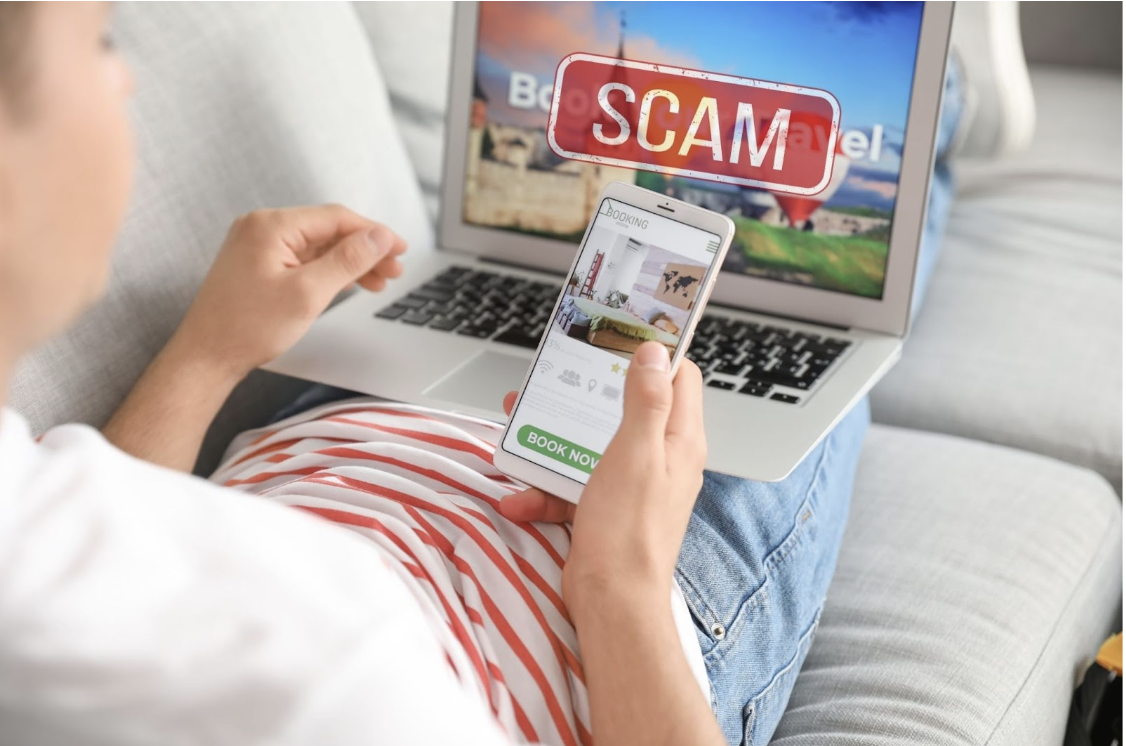
Holiday shopping is in full swing. You’re scrolling through deals at midnight. That designer purse for half price. Those Apple chargers are way under retail. That fancy perfume from a seller with thousands of five-star reviews. It all looks legit. It all looks like you’re getting away with something.
You’re probably not. CBP (U.S. Customs and Border Protection) is warning shoppers right now: that deal might be counterfeit. And counterfeit doesn’t just mean you’re out some money. It means you might be buying something toxic, something dangerous, something that could seriously hurt you or the people you care about.
The Numbers Are Staggering
In just one year, CBP Houston/Galveston seized counterfeit items worth over $187 million (if they had been genuine). That’s just one port. Nationwide, CBP seized nearly 79 million counterfeit items in fiscal year 2025 with a combined value of over $7.3 billion if they’d been real.
These aren’t just knockoff handbags. The items seized include counterfeit medications, fake auto parts, phony electronics, children’s toys, and counterfeit cigarettes.
Nearly 90% of all counterfeit seizures come from China and Hong Kong. And most of them? They’re shipped through international mail and e-commerce channels—the same way your holiday gifts arrive.
Here’s What Makes This Dangerous
Counterfeit products are made with substandard materials and zero quality control. They don’t have to meet any safety standards because nobody’s watching. Nobody cares if they’re safe. They just care if they’re profitable.
Fake Medications Counterfeit pharmaceuticals are missing necessary active ingredients. Some contain fentanyl or other opioids. Some are completely inert—they do nothing except delay your actual treatment while your condition gets worse. If you’re taking a fake antibiotic thinking you’re treating an infection, that infection just keeps spreading while the fake does nothing.
Fake Auto Parts Counterfeit airbags can fail to deploy in a crash. Counterfeit brake pads don’t stop your car. These aren’t inconveniences. These are things that kill people.
Fake Electronics Counterfeit chargers, batteries, and electronics can overheat, catch fire, or explode. Ninety-eight percent of counterfeit phone chargers are extremely dangerous. Counterfeit lithium-ion batteries for laptops pose a serious risk of self-igniting and exploding. A kid charging their phone with a fake charger overnight? That’s a fire hazard.
Fake Cosmetics Counterfeit makeup, perfume, and shampoo contain dangerous bacteria, lead, beryllium, and other harmful substances. Some counterfeit fragrances contain methanol, which causes skin irritation, eye damage, and harm to the nervous system. Some have tested positive for urine as a stabilizer. Others contain chemicals known to cause cancer, acne, and eczema. You’re putting this on your skin. Your family’s skin.
Fake Toys Counterfeit children’s toys can break and cause injuries. They don’t meet safety standards. A kid puts a toy in their mouth and swallows something toxic. That’s how childhood poisonings happen.
Why People Get Fooled
Seven out of ten consumers have been deceived into buying counterfeit products online. It’s not because people are dumb. It’s because counterfeiters are good at what they do.
They copy websites. They game review systems. They underprice products so aggressively that it makes the deal seem real. They ship from legitimate-looking warehouses. They have professional packaging. By the time you realize it’s fake, you’ve already given them your money—and sometimes exposed yourself to danger.
The Crime Connection
Here’s what doesn’t get talked about enough: buying counterfeit goods funds transnational crime organizations. Criminal networks use the profits to fund drug trafficking, human trafficking, and organized crime. Every counterfeit item you buy is money flowing to people who hurt people.
It’s not victimless. It never is.
How to Actually Shop Smart
Trust your instincts. If a deal seems too good to be true, it probably is. Designer goods don’t sell for 70% off from random websites.
Shop from reputable sources. Buy directly from the brand’s official website or from major retailers you know. Not from third-party sellers on sketchy sites.
Research the product. Look at photos carefully. Read reviews (not just the five-star ones—read the negative ones too). Check seller information. See if they have a real address, real contact info, real customer service.
Avoid suspicious websites. If a website has typos, no clear refund policy, no way to contact them, or a URL that’s slightly off from the real brand? Don’t buy from them.
Look for HTTPS. When you’re checking out, make sure the website starts with https:// (the “s” means secure). That’s basic encryption. If it doesn’t have that, don’t enter your payment info.
Inspect what arrives. When your package gets there, check for missing safety seals, unusual packaging, typos, or damage. If it doesn’t feel right, it probably isn’t.
Report it. If you get a counterfeit product, report it through CBP’s Trade Violations Reporting platform or the National IPR Center. Your report helps law enforcement shut down the operation selling fakes.
The Real Cost
The global economy loses over $7 billion a year to counterfeiting. That translates to lost jobs for legitimate workers. It means less innovation because companies can’t invest in research when their revenue is being stolen. It means your taxes go up because governments lose tax revenue from legitimate businesses.
But more immediately: it means you or your family could get hurt.
Bottom Line
This holiday season, buy real. Shop from sources you trust. Spend a little more if you have to. Because the fake deal isn’t a deal if it shows up broken, toxic, or dangerous.
CBP Director Judson Murdock said it best: “Buying cheap, inauthentic goods is not victimless. It can cause harm to those you care about because of toxic materials and can even fund criminal activities.”
Don’t fund crime. Don’t poison your family. Don’t buy counterfeits. Buy real.