
The Hill Country’s most iconic wildflower is blooming right now. Here’s everything you need to know before you head out.
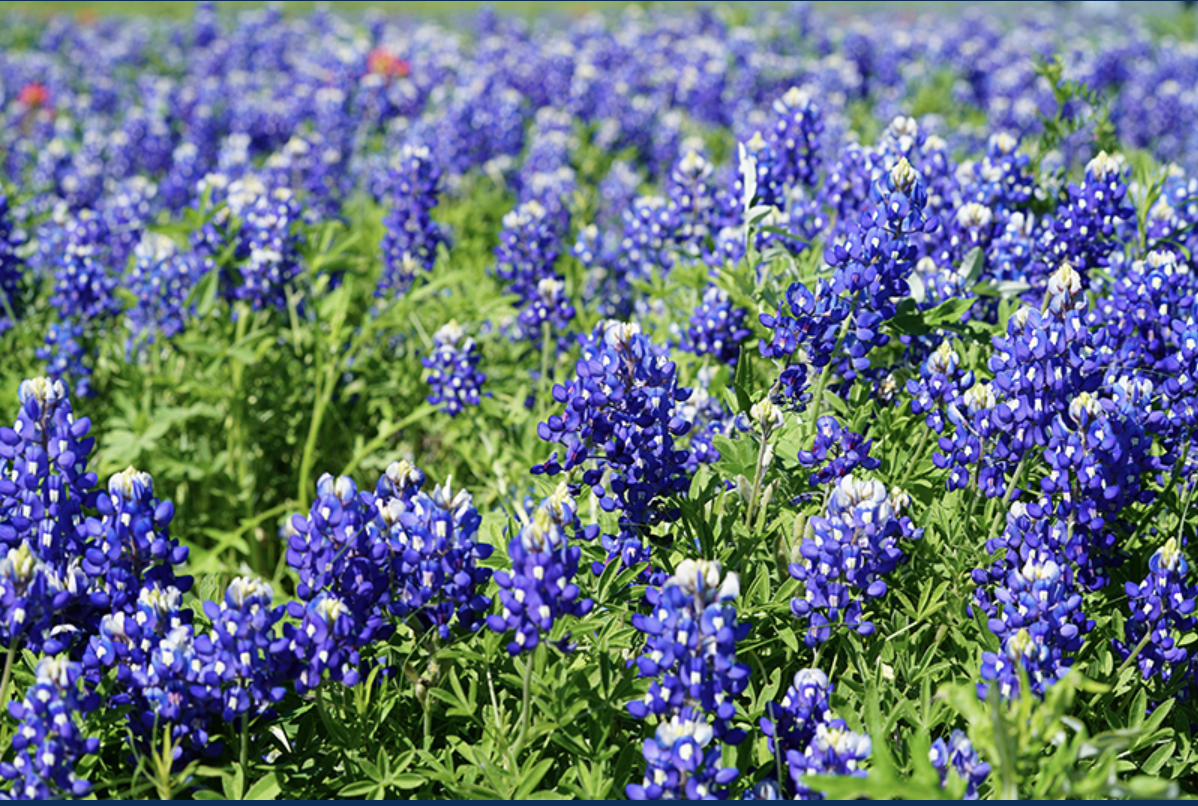
There are few things in Texas that stop traffic quite like a field of bluebonnets in full bloom. Every April, the roadsides and meadows of the Hill Country transform into sweeping waves of blue and violet, drawing families, photographers, and first-time visitors from across the state. If you’ve been waiting for the right weekend to go, this is it — peak blooming season runs early to mid-April, and it doesn’t last long.
A Flower With Deep Texas Roots
The bluebonnet’s history with Texas runs more than a century deep. In 1901, the Texas Legislature officially named it the state flower — though the debate over which species to designate was anything but simple. Different regions championed their own variety, and the Legislature eventually resolved the dispute by naming all species of the genus Lupinus as the state flower. Today, six different species share that distinction.
Long before statehood, the bluebonnet held deep significance for Native Americans across the region. The Comanche called it “el conejo” — the rabbit — after the white tip on each petal that resembles a cottontail. Various tribes used parts of the plant for medicinal purposes, and the flower was woven into the folklore of the land for generations before European settlers arrived.
When Texas was still a young republic in the 1800s, German immigrants settling in the Hill Country were struck by the flower’s resemblance to the bonnets worn by pioneer women — giving it the name that stuck. By the early 1900s, the Federation of Women’s Clubs was campaigning hard for its recognition as the state flower, and in 1901 they won.
Lady Bird Johnson, one of Texas’s most beloved figures, spent decades championing the bluebonnet and native wildflowers across the state. Her Highway Beautification Act of 1965 helped protect and expand wildflower plantings along roadsides nationwide, and her legacy lives on every spring when the Hill Country bursts into color.
Why Bluebonnets Do What They Do
The bluebonnet’s bloom is the product of months of quiet, patient work. Seeds germinate in the fall, grow slowly through winter, and burst into color for just two to four weeks each spring. Their tough outer seed coat requires consistent moisture to break down — which is why drought years mean fewer blooms. In very dry conditions, some seeds can wait up to three years before sprouting.
This spring, drought conditions across Texas mean displays may be less dramatic than in banner years. But bluebonnets are stubborn survivors — they thrive in the rocky, alkaline soils of the Hill Country where other plants struggle, and they often pop up in heavily disturbed ground where nothing else will grow. Even in a lean year, you’ll find them.
The Truth About Picking Bluebonnets
One of Texas’s most persistent myths is that picking bluebonnets is illegal. It’s not — but it’s still a bad idea. Picking or damaging plant life in Texas State Parks is prohibited by law, and the Texas Department of Transportation strongly discourages picking wildflowers anywhere along roadsides. More practically, every flower you pick is one fewer seed for next year’s bloom. Leave them where they are and the display comes back. Take them home and they wilt within hours anyway.
How to Take Great Photos Without Wrecking the Field
A bluebonnet photo is practically a Texas rite of passage — but getting that perfect shot takes a little planning and a lot of respect for the plants and the people around you.
Scout your location before you commit. Popular spots along Highway 290, Willow City Loop near Fredericksburg, and the Llano area draw crowds on weekends. Arrive early in the morning for soft light, fewer people, and calmer winds. Late afternoon golden hour works beautifully too.
Stay on established paths or bare ground when moving through a field. Stepping on bluebonnets to reach the middle of a patch damages far more plants than most people realize — and it shows in the photos. Look for natural gaps or edges where you can position your subjects without trampling the blooms.
For that classic portrait shot, have your subjects sit or kneel at the edge of a patch rather than in the middle. Get low — shoot from ground level to fill the frame with flowers and make the field look endless. A wide aperture blurs the background beautifully and keeps your subject sharp.
Keep your session short. The longer a group spends in a field, the more ground gets disturbed. Get your shots and move on so the next family can enjoy it too.
Watch Out for Snakes
This is not a small footnote — it’s important. Snakes are waking up in April. Warmer temperatures bring them out of hibernation, and bluebonnet fields are exactly the kind of habitat they favor: tall grass, rocky ground, and plenty of small animals to hunt.
Before you step into any field, scan the ground carefully. Never reach into thick vegetation without looking first. Keep children close and pets on leash — dogs are particularly vulnerable to strikes because they lead with their nose. Wear closed-toe shoes or boots, never sandals. If you see a snake, give it a wide berth and leave it alone. Texas is home to several venomous species including the western diamondback rattlesnake, the copperhead, and the cottonmouth — all of which become more active in spring.
If anyone in your group is bitten, keep them calm and still, remove any tight clothing or jewelry near the bite, and get to an emergency room immediately. Do not attempt to suck out venom or apply a tourniquet.
Respect Private Property
Many of the most stunning bluebonnet fields in Texas sit on private land. It might be tempting to pull over and hop a fence for a better photo, but trespassing is illegal — and landowners have every right to ask you to leave or involve law enforcement. If a field is on private property, stay on the roadside shoulder and enjoy the view from there. Several ranches and farms in the Hill Country open their gates to visitors during bluebonnet season — look for signs, and always ask permission before entering.
Road shoulders can also be dangerous, especially on busy highways like 290. Pull completely off the road, watch for passing traffic, and keep children away from the roadway at all times.
Where to See Them This April
Some of the best bluebonnet viewing in Texas right now: the Willow City Loop near Fredericksburg, the corridor along Highway 290 between Brenham and Austin, Muleshoe Bend Recreation Area near Spicewood, and Inks Lake State Park in Burnet County. The Lady Bird Johnson Wildflower Center in Austin also maintains native plantings and is a reliable spot even in drier years.
Go soon. The bloom waits for no one.
Quick Tips Before You Head Out
Timing: Early to mid-April is peak — go this week if you can Best light: Early morning or late afternoon Footwear: Closed-toe shoes or boots, always Snakes: Scan before you step, keep kids and pets close Private land: Stay on public roadsides unless you have permission Picking: Leave every flower where you found it Parking: Pull fully off the road and watch for traffic